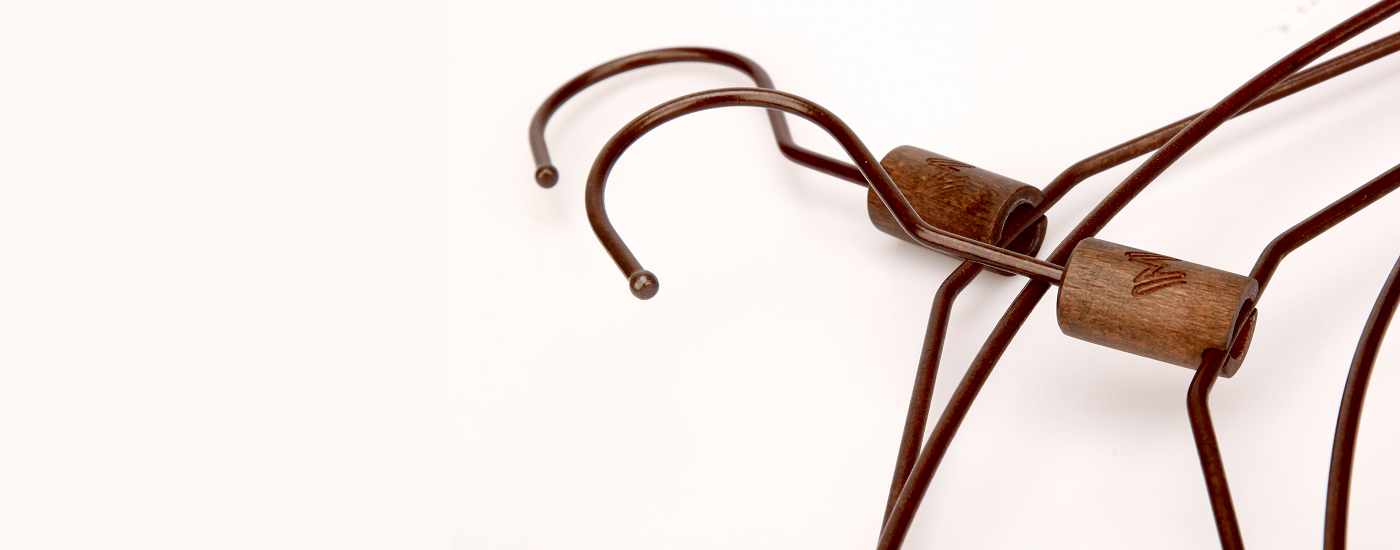
Aluminium Cloth Hanger Vs Wooden Clothes Hanger For Wardrobe
Oct. 29, 2026
If you are comparing an aluminium cloth hanger vs wooden clothes hanger for wardrobe use, the better choice depends on garment weight, available space, surface finish, moisture exposure, and appearance preferences. Aluminium usually offers lower weight, corrosion resistance, and strong space efficiency, while wood provides broader shoulder support, a warmer appearance, and reliable shaping for suits and coats. I compare both materials below by durability, garment protection, load handling, maintenance, wardrobe organization, and long-term value.
| Factor | Aluminium Clothes Hanger | Wooden Clothes Hanger |
|---|---|---|
| Durability | Resistant to cracking and suitable for repeated daily handling when properly formed and finished | Rigid and durable, but vulnerable to splitting, dents, or finish damage if poorly made or exposed to moisture |
| Garment protection | Depends on rounded edges, coating, shoulder contour, and non-slip details | Naturally firm with broad shoulder support; finish quality determines whether fabric snags |
| Space efficiency | Usually slim and lightweight, making it suitable for compact wardrobes | Generally wider and heavier, but better for structured garments |
| Maintenance | Wipe with a dry or slightly damp cloth; inspect coating and hook attachment | Keep dry, wipe dust regularly, and check for surface chips or rough areas |
| Appearance | Modern, minimal, and available in anodized or coated finishes | Traditional, premium-looking, and suited to formal wardrobes |
| Best use | Shirts, trousers, everyday clothing, compact wardrobes, and moisture-prone rooms | Suits, coats, jackets, dresses, and garments requiring broad shoulder support |
Aluminium Cloth Hanger Vs Wooden Clothes Hanger For Wardrobe: Key Differences
The main difference between aluminium and wooden clothes hangers is how each material combines structure, weight, surface contact, and shape. Aluminium can be formed into slim profiles that reduce unused space between garments, whereas wooden hangers usually use a thicker body to create a defined shoulder curve. Neither material is automatically suitable for every garment, so I recommend matching the hanger design to the clothing rather than choosing by material alone.
For household use, construction details matter more than the material label. With an aluminium hanger, I check the alloy thickness, tube or strip profile, surface coating, hook attachment, weld or joint quality, and load distribution across the shoulders. With a wooden hanger, I check the wood type, moisture control, sanding, lacquer or paint finish, shoulder width, trouser bar construction, and the way the hook is fixed into the body.
Durability and Long-Term Reliability
Aluminium does not rust in the same way ordinary untreated steel does, which makes it useful in humid bedrooms, laundry areas, and wardrobes near bathrooms. However, the surface can still oxidize, scratch, or lose its appearance if the coating is thin or the hanger is repeatedly rubbed against metal rails. I would select a hanger with a documented finish and a firmly secured hook rather than assuming every aluminium model offers the same service life.
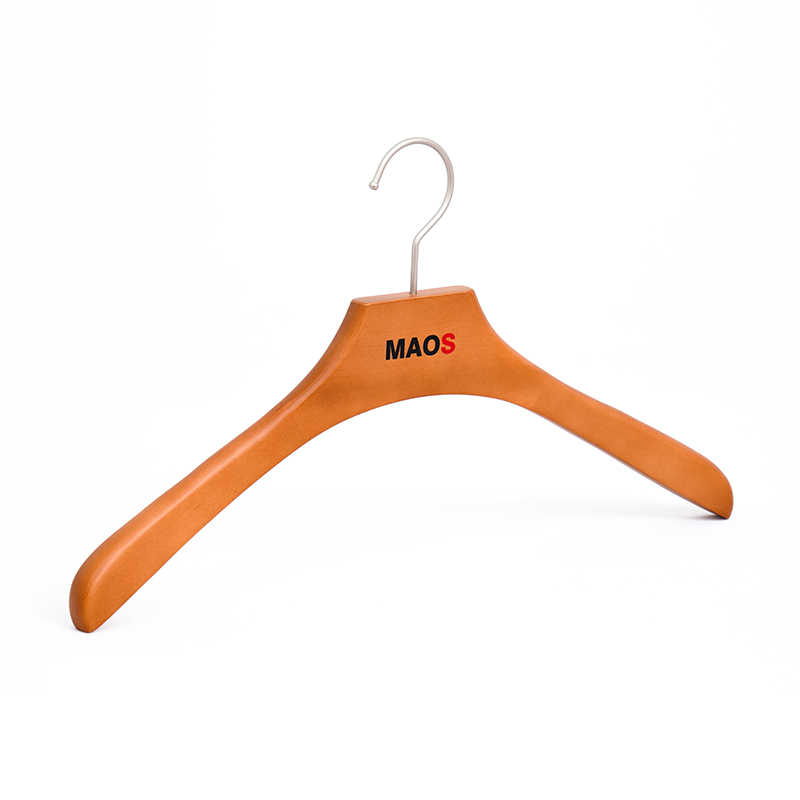
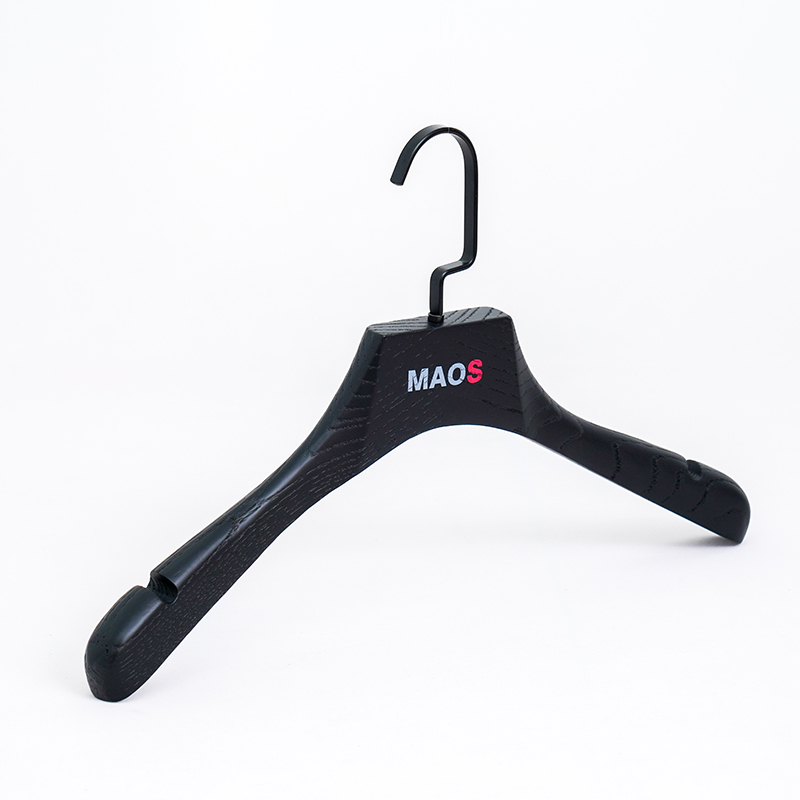
Wooden hangers can remain functional for many years when stored in a dry room and produced with properly seasoned wood. Their main risks are moisture absorption, cracking around the hook, rough edges, and finish deterioration. A wooden hanger with a smooth surface and sealed finish can protect clothing effectively, but an unfinished or poorly sanded model may catch delicate fabrics.
Mao’s provides both aluminium hanger and wooden hanger categories, which is useful when a wardrobe project requires different designs within one coordinated range. The company states that Mao’s Clothes-Hangers Corporation Limited was established in 1993 and operates five factories with nearly 400 employees. For buyers evaluating a supplier rather than a single retail pack, those details make production capacity, customization, and quality documentation important parts of the purchasing decision.
Load Capacity for Heavy Garments
The question “which hanger is best for heavy clothes?” cannot be answered by material alone because body width, cross-section, shoulder geometry, and hook attachment determine how weight is distributed. A thin aluminium hanger may perform poorly with a heavy wool coat, while a reinforced aluminium profile may handle the same garment more effectively. Similarly, a wide wooden hanger can support a suit well, but a weak hook or thin body can become the failure point.
For heavy garments, I look for a broad shoulder shape, a thick central body, a securely attached hook, and a trouser bar that does not flex under normal use. Coats, structured jackets, and heavy knitwear benefit from hangers that spread weight over a larger section of the shoulder. Before buying in quantity, test several samples with the heaviest garment in your wardrobe and inspect whether the hanger bends, twists, slips, or leaves pressure marks.
A practical purchasing specification should include the hanger’s overall width, body thickness, hook material, surface finish, and stated load test method. If a supplier does not provide a load rating, ask for samples and carry out a controlled household test rather than relying on promotional descriptions. This approach is especially important for commercial wardrobes, hotel rooms, retail displays, and long-term storage.
Garment Protection and Non-Slip Performance
The best non slip clothes hangers are not defined by material alone. Grip comes from rubberized sections, textured coatings, recessed bars, clips, shoulder notches, or carefully shaped contact points. A smooth aluminium surface may allow silk, satin, or wide-neck garments to slide, while a wooden hanger with a polished finish may also need notches or a non-slip covering.
For shirts and blouses, I prefer rounded shoulders and a finish without sharp transitions. Dresses need shoulder notches, a shaped profile, or a suitable fabric covering so straps remain in position. Trousers benefit from a horizontal bar with a non-slip surface, while suits and coats require enough width to prevent the shoulder area from collapsing inward.
Aluminium hangers do not damage clothes simply because they are metal. Damage usually results from exposed edges, rough welds, poorly finished hooks, excessive pressure, or a coating that has worn away. Wooden hangers can also damage clothing when the surface is chipped, splintered, or covered with a brittle finish, so I inspect both materials before placing delicate garments on them.
!
Choosing the Best Hanger Material for Wardrobe Organization
The best hanger material for wardrobe organization depends on how many garments must fit into the available rail length. Aluminium is often more space-efficient because its body can be designed with a slim profile and it is easier to lift when rearranging clothing. This makes aluminium practical for apartment wardrobes, guest rooms, capsule wardrobes, and closets where every centimeter of rail space matters.
Wooden hangers use more physical volume but can create a more orderly appearance because their shoulders and widths are consistent. They are particularly useful when organizing formal clothing by category, such as suits, coats, jackets, and dresses. If a wardrobe has enough rail depth and the goal is to maintain garment shape, the extra width can be an advantage rather than a disadvantage.
When measuring a closet, record the usable rail length, internal depth, door clearance, and shelf position. Then compare the hanger body width with the number of garments you plan to store. A narrow wardrobe may benefit from slim aluminium hangers for shirts and trousers, while a larger dressing area can accommodate wider wooden hangers for structured clothing.
Suitability by Garment Type
I would choose aluminium hangers for many lightweight shirts, casual tops, trousers, uniforms, and everyday clothing, particularly when the design includes rounded edges and a suitable grip. Aluminium is also practical for wardrobes that require frequent handling because the hangers are generally light to move. A coated or anodized finish can provide a consistent appearance across a large group of hangers.
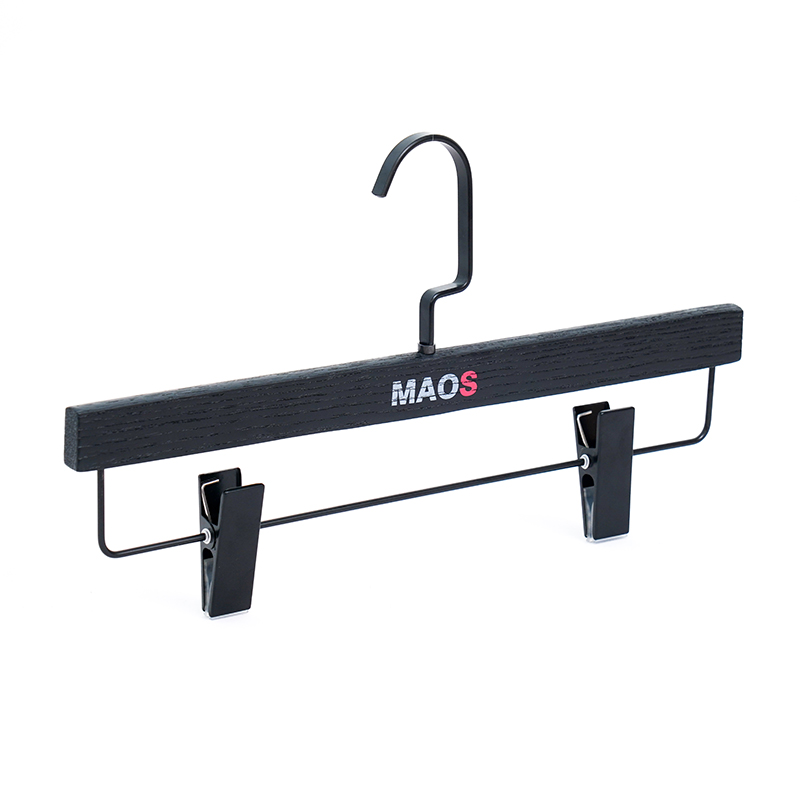
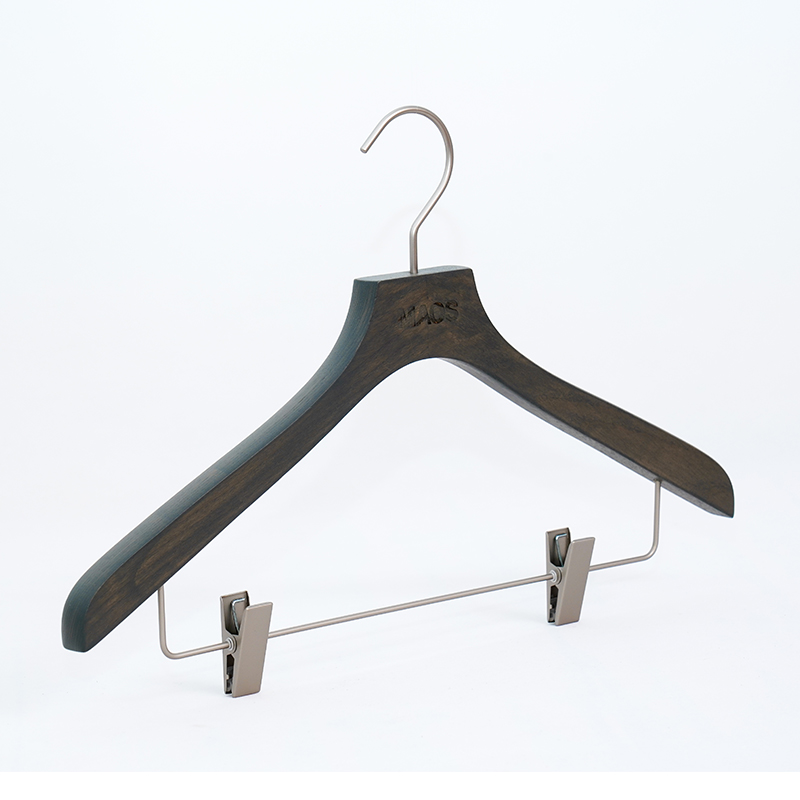
Wooden hangers are usually better suited to suits, sport coats, heavy jackets, and formal dresses that require broader shoulder support. The shaped body helps preserve the garment’s outline when the hanger width matches the clothing size. Wooden trouser hangers can also provide a firm bar, although the bar should have enough grip to prevent creasing or sliding.
For delicate fabrics, I focus on surface smoothness, shoulder radius, and contact pressure rather than selecting metal or wood automatically. Padded fabric hangers may be more suitable for lingerie, fine knitwear, or garments that mark easily. A hybrid wardrobe can therefore use aluminium for high-volume everyday items, wood for structured clothing, and padded designs for delicate pieces.
| Garment | Recommended starting point | Design details to check |
|---|---|---|
| Cotton shirts | Slim aluminium or smooth wooden hanger | Rounded shoulders and optional shoulder notches |
| Linen clothing | Smooth aluminium or sealed wood | No rough edges; adequate shoulder width |
| Trousers | Aluminium or wooden bar hanger | Non-slip bar or secure clips |
| Dresses | Shaped wood or coated aluminium | Notches, curved shoulders, or grip points |
| Suits | Broad wooden hanger or reinforced aluminium | Wide shoulder support and strong hook attachment |
| Heavy coats | Reinforced wide-profile hanger | Load distribution and rigid shoulder structure |
| Delicate fabrics | Padded or fabric-covered design | Low-friction finish and reduced pressure points |
Aluminium vs Wooden Hangers for Moisture, Maintenance, and Handling
Moisture exposure is an important difference between aluminium and wood. Aluminium is generally more suitable for humid spaces when its surface has an appropriate protective finish, while wood should be kept away from persistent condensation and damp walls. Neither hanger should be stored in a wet wardrobe because moisture can affect clothing, coatings, hooks, and surrounding hardware.
Maintenance is simple for both materials but should be consistent. I wipe aluminium hangers with a soft cloth and avoid abrasive cleaners that may scratch the coating, while wooden hangers need dust removal and occasional inspection for chips, swelling, or rough patches. If a hanger has a loose hook, exposed edge, cracked shoulder, or damaged coating, I remove it from service rather than placing valuable clothing at risk.
Handling weight also affects daily practicality. Aluminium hangers are usually easier to lift in large quantities, which helps when reorganizing a full wardrobe or moving clothing between rooms. Wooden hangers feel more substantial and can make a formal closet appear more uniform, but their additional weight may be inconvenient when hundreds of garments are handled regularly.
Appearance, Sustainability, and Replacement Cost
Appearance is a valid purchasing factor because hangers remain visible whenever wardrobe doors are open. Aluminium supports modern interiors through finishes such as silver, black, gold, or other coated surfaces, while wood provides a warmer and more traditional visual effect. I recommend selecting one dominant finish for the main wardrobe and reserving contrasting designs for specific garment categories.
Sustainability depends on material sourcing, product lifespan, repairability, packaging, and end-of-life recycling. Aluminium has established recycling value, but its environmental impact also depends on production and coating processes. Wood can be a responsible choice when sourced from managed forests and finished with controlled materials, but a short-lived wooden hanger that cracks or sheds finish may require earlier replacement.
Mao’s describes its operations as covering hanger design, production, sales, customization, and multiple product categories, including wooden, aluminium, metal, fabric, and plastic hangers. The company also states that it maintains its own forestry operations and is working toward carbon-neutral production by 2035. For buyers assessing sustainable wardrobe accessories, I would still request material origin, coating information, packaging details, and product-life expectations for the specific model.
When a Hybrid Wardrobe System Makes More Sense
Choosing only aluminium or only wood can create unnecessary compromises. A hybrid system assigns each material to the garments it supports best, reducing the need to force one hanger shape across shirts, coats, trousers, dresses, and delicate items. This approach also allows a compact wardrobe to use slim hangers without sacrificing the shoulder support required by formalwear.
For example, I might use matching aluminium hangers for daily shirts, trousers, and lightweight dresses, then add wide wooden hangers for suits and coats. Padded hangers can handle delicate fabrics, while clip accessories can organize skirts and trousers without adding a separate material category. The result is a wardrobe organized by garment need rather than by a single material preference.
A hybrid system is also useful for households with different storage areas. Aluminium can serve a humid utility-room wardrobe or a compact apartment closet, while wood can be reserved for a dry dressing room containing formal clothing. Before purchasing, group garments by weight, fabric sensitivity, shoulder structure, and frequency of use, then assign a hanger design to each group.
Which Aluminium or Wooden Hanger Should You Choose?
| Your priority | Best starting choice | Reason |
|---|---|---|
| Maximum rail efficiency | Slim aluminium hanger | Lower visual and physical bulk supports compact storage |
| Suits and heavy coats | Broad wooden or reinforced aluminium hanger | Shoulder width and load distribution matter most |
| Humid wardrobe location | Finished aluminium hanger | Less moisture-sensitive than untreated wood |
| Traditional wardrobe appearance | Sealed wooden hanger | Provides a warm, structured visual style |
| Everyday shirts and trousers | Aluminium with non-slip details | Lightweight handling and flexible organization |
| Delicate fabrics | Padded, coated, or fabric-covered hanger | Surface softness is more important than the core material |
| Consistent supplier customization | Mao’s aluminium and wooden ranges | Multiple hanger materials and design options are available from one manufacturer |
Final Thoughts
The answer to Aluminium Cloth Hanger Vs Wooden Clothes Hanger For Wardrobe is based on garment type, closet dimensions, moisture conditions, and construction quality. Aluminium is the practical choice for slim storage, frequent handling, everyday clothing, and humid environments when the hanger has a smooth finish, secure hook, and suitable non-slip details. Wood is the stronger visual and structural choice for suits, coats, jackets, and formal garments that benefit from a broad shoulder profile.
I would not judge either material by appearance or price alone. Check body width, alloy or wood construction, coating, hook attachment, load distribution, surface smoothness, and replacement requirements before purchasing. For many households, the best result is a hybrid wardrobe that uses aluminium for compact everyday storage, wood for structured garments, and padded designs for delicate fabrics.
If you are buying for a larger wardrobe, retailer, hotel, or customized project, Mao’s offers aluminium and wooden hanger categories alongside other hanger designs and production services. Request samples, confirm dimensions, inspect the finish, and test the hanger with your heaviest and most delicate garments before approving a full order.