Aluminium Cloth Hanger Vs Wooden Hanger
Nov. 03, 2026
aluminium cloth hanger vs wooden hanger decisions depend on garment weight, wardrobe space, humidity, appearance, and the level of shoulder support required. Aluminium is usually lighter and more resistant to moisture, while wood offers a wider shoulder profile and a more substantial structure for coats, jackets, and formalwear. I compare both materials across durability, strength, weight, garment support, maintenance, cost, and supplier-quality checks so you can select the right hanger for home, retail, boutique, or hospitality use.
!
| Factor | Aluminium cloth hanger | Wooden hanger |
|---|---|---|
| Weight | Commonly lighter because aluminium density is about 2.70 g/cm³ | Usually heavier; wood density varies by species and moisture content |
| Strength | Strong for its weight, but depends on tube diameter, wall thickness, alloy, and joints | Strong across broad shoulders; performance depends on wood species and construction |
| Rust resistance | Aluminium does not form iron rust, but finishes and joints still need inspection | No rust; moisture can cause swelling, cracking, or finish damage |
| Garment support | Suitable for shirts, trousers, uniforms, and many everyday garments | Better for structured jackets, coats, suits, and garments needing broad shoulders |
| Space efficiency | Slim profiles can increase hanging capacity | Thicker profiles generally occupy more rail width |
| Price | Often mid-range; quotation depends on alloy, finish, accessories, and volume | Ranges from basic to high-cost depending on wood, finish, and customization |
| Maintenance | Wipe dust and inspect coating, welds, and hook attachment | Keep dry, inspect coating, and avoid rough edges or surface splinters |
| Best use cases | Humid rooms, compact wardrobes, uniforms, retail displays, and lightweight organization | Heavy garments, formalwear, boutique presentation, and broad shoulder support |
Aluminium Cloth Hanger Vs Wooden Hanger: Key Differences
The main difference is how each material combines mass, stiffness, shape, and surface finish. Aluminium provides a low-density structure that can reduce rail weight and make slim hanger designs practical, while wood allows a thicker shoulder contour that supports garments over a larger contact area. Neither material is automatically better for every garment because the final result depends on hanger geometry, not material alone.
Aluminium should also be separated from steel when comparing metal hanger durability. Steel has a density of about 7.85 g/cm³, almost three times that of aluminium, so an aluminium hanger can be lighter at a similar volume. However, aluminium’s bending resistance depends strongly on alloy, tube diameter, wall thickness, profile shape, and weld or joint design, so a thin aluminium frame is not automatically stronger than a well-built wooden hanger.
For a buyer, this means a material name is only the starting point. I would request the alloy specification, aluminium thickness, overall dimensions, finished weight, load test result, hook attachment method, and coating details before placing a commercial order. If a supplier cannot provide those details, comparing only photographs or unit prices does not provide enough evidence.
Benefits of Aluminium Cloth Hangers
The main aluminium clothes hanger benefits are low material density, moisture tolerance, slim construction, and design flexibility. In a small wardrobe, a narrow aluminium profile can leave more usable rail space than a thick wooden shoulder, although the actual saving must be measured from the finished hanger width and thickness. For a retail store, lower individual weight can also reduce the total mass handled during merchandising and stock movement.
Aluminium is useful in humid climates because it does not produce iron rust. This does not mean every aluminium hanger is maintenance-free: surface oxidation, coating wear, dissimilar-metal contact, poor welds, or a damaged hook can still reduce service performance. I recommend checking whether the surface is anodized, powder-coated, painted, or otherwise protected, and whether the coating has a stated thickness or inspection method.
Aluminium also works well when a supplier needs consistent colors, logos, or special shapes. Mao’s offers aluminium, wooden, metal, PVC-coated metal, foam-wrapped, plastic, and fabric hanger categories, which makes it possible to compare material choices within one product-development workflow. Its stated customization process includes design briefing, engineering drawings, sample making, approval, and mass production, a sequence I consider useful for checking dimensions before committing to volume.
The limitations are equally important. A very light aluminium hanger may feel less substantial when used for heavy coats unless the profile and shoulder shape are designed for that load. Poorly finished edges can catch fabric, and an inadequately secured hook can create a failure point even when the aluminium body remains straight. For heavy garments, I would prioritize tested load capacity and joint quality over low weight.
Benefits of Wooden Hangers
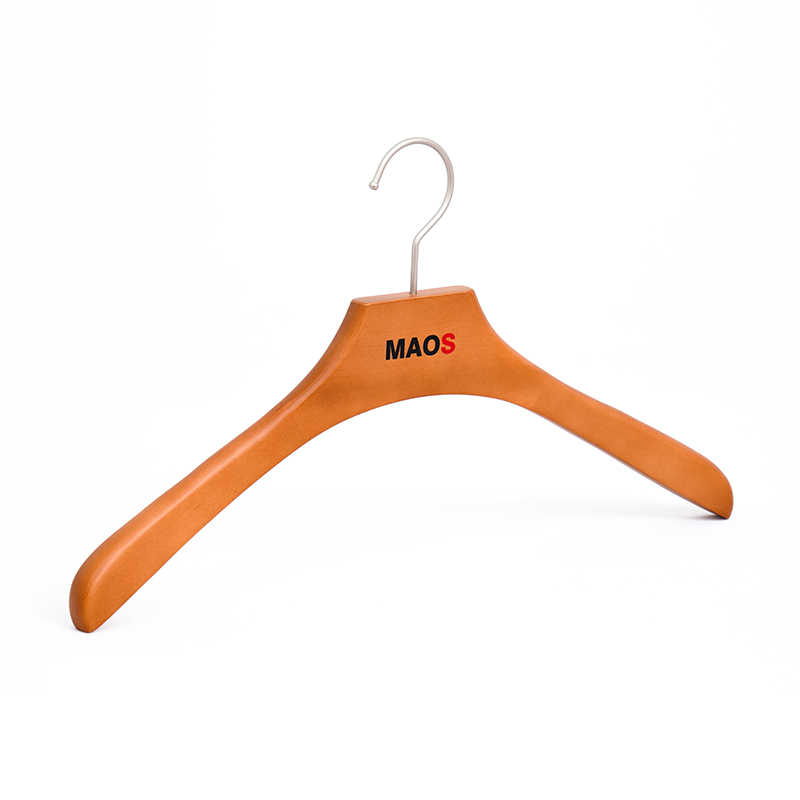
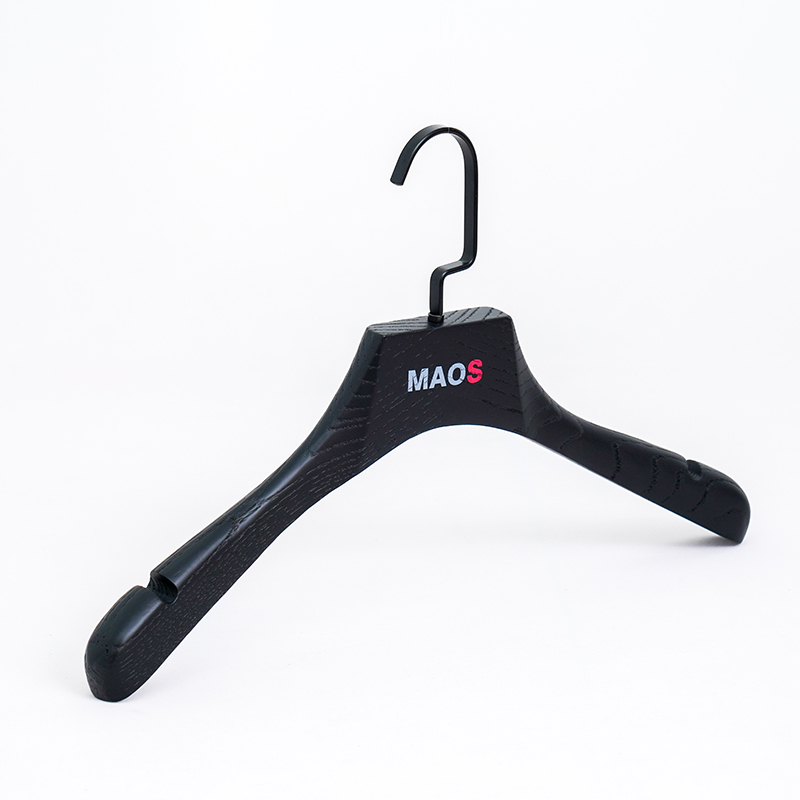
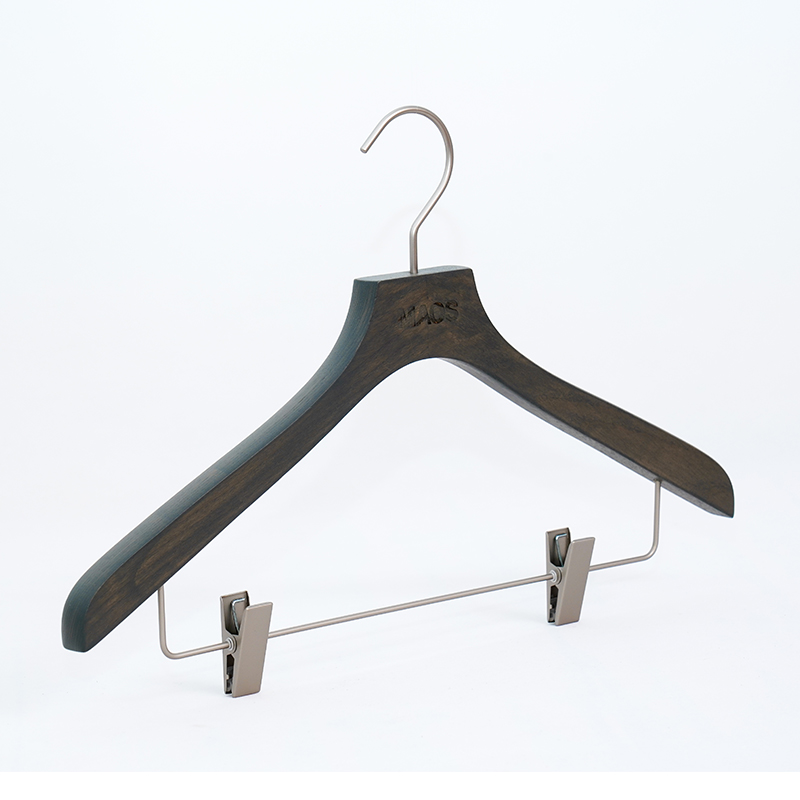
Wooden hanger benefits include broad shoulder support, visual weight, stiffness in thick profiles, and a surface that suits formalwear and boutique presentation. A shaped wooden hanger can distribute pressure across the shoulder seam more effectively than a narrow wire-like form, helping jackets, coats, and structured shirts retain their intended silhouette. This is why wood remains common in wardrobes where garment presentation matters as much as storage density.
Wood is also useful for heavy clothing when the hanger has sufficient shoulder width and a properly attached metal hook. Coats, wool jackets, suits, and blazers generally benefit from a shoulder contour that follows the garment rather than a narrow point that concentrates pressure. However, wood quality varies, so I would inspect the species, moisture control, lamination or solid construction, sanding, coating uniformity, and the absence of exposed splinters.
Wooden hangers are not automatically better for delicate garments. Silk, satin, fine knitwear, and loosely woven fabrics can still crease or snag if the surface is rough, the shoulder edge is sharp, or the hanger is too wide for the garment. For delicate clothing, a smooth fabric-covered or padded contact area may matter more than whether the internal frame is aluminium or wood.
The disadvantages are weight, storage volume, and moisture sensitivity. A thick wooden hanger can occupy more rail width, which matters in small wardrobes, capsule wardrobes, and high-density retail rails. In damp locations, untreated or poorly sealed wood may absorb moisture, swell, crack, or develop finish problems, so the coating and storage environment should be assessed before purchase.
Are Wooden Hangers Better Than Metal Hangers?
Wooden hangers are better than many basic metal hangers for broad shoulder support, formal clothing, and visual presentation, but aluminium changes the comparison because it is lighter and more resistant to moisture than ordinary steel. A narrow steel hanger may deform or leave pressure marks, while a shaped aluminium hanger can provide a better balance of weight and support. The correct comparison is therefore wooden hanger versus a specified aluminium design, not wood versus unspecified metal.
For everyday shirts, uniforms, trousers, and lightweight dresses, aluminium can be practical when the edges are smooth and the hook is secure. For suits, structured jackets, and heavy coats, a wooden hanger with an appropriate shoulder width may provide better garment support. For humid rooms, aluminium generally creates fewer moisture-related concerns than unfinished wood, but its coating, joints, and accessories still require inspection.
Which Hanger Material Is Best for Different Clothes?
The best hanger material for clothes depends on garment construction and storage conditions. I use the following decision matrix when selecting hangers for a wardrobe, retail floor, or bulk purchase.
| Clothing or environment | Preferred option | Reason |
|---|---|---|
| T-shirts and casual shirts | Slim aluminium or smooth wood | Both can work; prioritize smooth contact surfaces and sufficient grip |
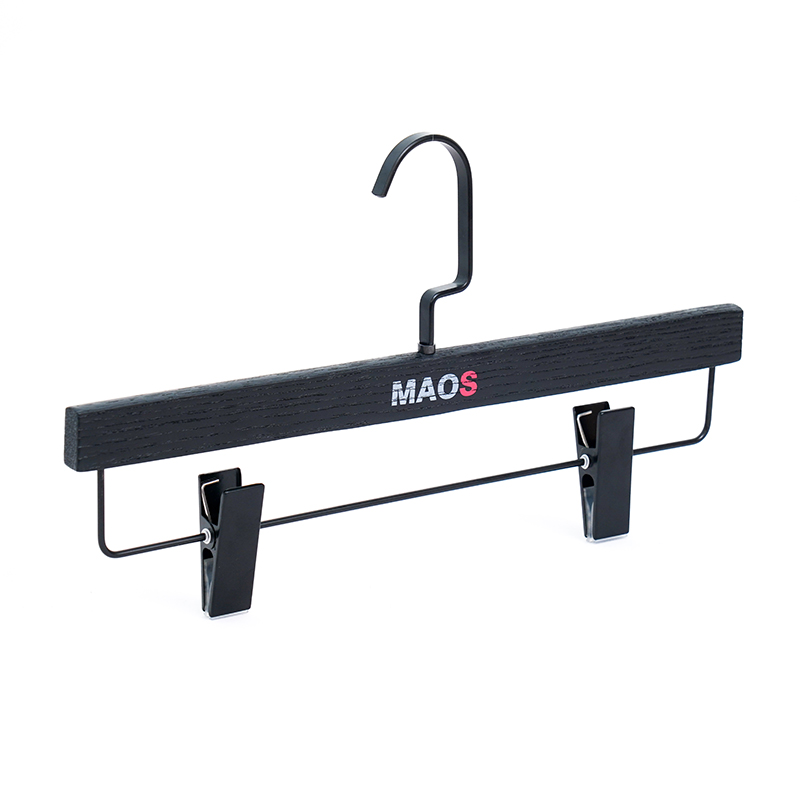
| Trousers and skirts | Aluminium with clips or wood with a trouser bar | The clip or bar matters more than the frame material |
| Suits and blazers | Shaped wooden hanger | Broad shoulders help preserve jacket structure |
| Heavy coats | Thick-profile wood or tested aluminium | Select based on load data, shoulder width, and hook attachment |
| Delicate clothing | Padded, fabric-covered, or carefully finished hanger | Surface smoothness and pressure distribution are decisive |
| Humid climates | Finished aluminium | Lower concern about swelling and moisture absorption than untreated wood |
| Small wardrobes | Slim aluminium | Lower profile can increase rail capacity |
| Boutique displays | Wood or customized aluminium | Choose according to visual identity, garment type, and display density |
| Hotels and uniforms | Aluminium or coated metal | Easy repetition, lighter handling, and simple cleaning support standardization |
How to Choose Between Aluminium and Wooden Hangers
I begin with the garment rather than the material. Measure the shoulder width of the clothing and compare it with the hanger’s finished shoulder span; a hanger that is too narrow can allow fabric to fold inward, while one that is too wide can create pressure points. For adult jackets, buyers often review widths around 17–19 inches, but the correct dimension should follow the garment range being stored rather than a universal number.
Next, inspect the frame profile and load-bearing points. Ask for the finished hanger weight, aluminium alloy or wood species, wall thickness where applicable, hook diameter, hook material, joint method, and a documented static load test. A useful purchasing specification should identify the load in kilograms, test duration, sample quantity, and whether the hanger showed permanent deformation after testing.
Surface finish is the next checkpoint. Aluminium should have smooth edges, consistent coating, and no visible burrs around welds, drilled holes, or clips. Wood should be sanded evenly, sealed against ordinary indoor moisture, and free from cracks, exposed fibers, and coating defects that could contact clothing.
Grip and accessories also affect performance. Trousers and skirts need clips with controlled closing force, protective teeth or pads, and an attachment that does not twist under use. Non-slip bars, shoulder notches, scarf loops, and belt bars can improve organization, but every additional component adds another point to inspect for loosening or surface damage.
Space usage should be calculated from the finished product, not the frame material alone. If a wardrobe rail measures 36 inches and each hanger occupies 0.75 inches, the theoretical capacity is 48 hangers before allowing clearance for garments; if each hanger occupies 1.25 inches, capacity falls to about 28 hangers. This simple calculation shows why slim aluminium designs may be useful in compact wardrobes, while broad wooden hangers may be preferable when garment protection has priority.
Supplier and Total-Cost Checks
The lowest unit price does not always produce the lowest total cost. I compare the purchase price, freight volume, packaging, replacement rate, cleaning requirements, customization charges, and expected service period. A simple total-cost formula is: total cost per usable year = purchase price plus freight and maintenance, divided by the number of years the hanger remains functional.
For a bulk order, I would request a pre-production sample, a signed drawing, a tolerance sheet, and an approved color or finish sample. Key tolerances should cover overall width, shoulder symmetry, hook position, clip spacing, and accessory placement; the supplier should state the allowable deviation instead of relying on visual approval. This approach is especially important for retail chains, hotels, and boutiques ordering thousands of matching units.
Mao’s Clothes-Hangers Corporation Limited states that it was established in 1993 in Lipu City, Guangxi, and operates five major factories with nearly 400 employees. The company presents more than 30 years of hanger-production experience and lists aluminium, wood, metal, PVC-coated, foam-wrapped, plastic, and fabric products. For buyers comparing aluminium and wood at supplier level, this breadth allows material, finish, and customization discussions to be handled within one manufacturing source rather than across unrelated vendors.
I would still verify every project-specific specification before ordering. Factory size does not replace a product test, and a catalog image does not confirm alloy, thickness, load capacity, coating adhesion, or production tolerance. The most useful supplier documents are a technical drawing, material declaration, sample approval record, inspection plan, packaging specification, and replacement policy.
Final Recommendation
Aluminium Cloth Hanger Vs Wooden Hanger comparisons do not produce one universal winner. I recommend aluminium for compact wardrobes, humid environments, uniforms, everyday clothing, and buyers who prioritize lower weight and slimmer storage. I recommend wood for suits, coats, jackets, formalwear, boutique presentation, and garments that need a broad shoulder contour.
Before purchasing, match the hanger width to the clothing, confirm the profile thickness or wood construction, inspect the hook and joints, verify surface smoothness, and request load-test information for heavy garments. For bulk orders, compare landed cost and expected service life rather than unit price alone, and approve a physical sample before mass production.
Mao’s can be considered when a project requires both aluminium cloth hanger and wooden hanger options, custom dimensions, multiple finishes, or coordinated product development. My final choice would be based on the garment category first, the storage environment second, and verified construction data third. That order gives a more accurate result than choosing solely by appearance, material name, or initial price.