How To Choose Aluminium Cloth Hanger
Aug. 05, 2026
What users really want to know before buying an aluminium cloth hanger
They want a hanger that fits their space, clothes, and budget
Most searchers are not looking for a random product listing. They want clear buying guidance that helps them choose an aluminium cloth hanger that solves a real problem, such as limited drying space, weak materials, rust concerns, or unstable wall mounting. The best content should explain how to compare sizes, load capacity, installation methods, and material quality in simple steps.
They want to avoid buying the wrong type
Many buyers worry about choosing a hanger that is too small, too weak, hard to install, or unsuitable for their home or business. Content should help them understand the differences between fixed wall mounted, foldable, rotating, and multi arm styles, so they can avoid expensive mistakes.
They want confidence in long term use
Purchasing groups often care about durability, moisture resistance, safety, and maintenance. Good content should show how aluminium cloth hanger products perform over time, what to inspect before purchase, and how to keep the product in good condition after installation.
Define your usage scenario before choosing an aluminium cloth hanger
Step 1: Decide where the hanger will be used
First, identify the exact location. The right choice depends on whether the hanger will be used in a balcony, laundry room, bathroom, apartment, hotel, or commercial drying area. Different spaces require different sizes, fixing methods, and load capacities. For example, a narrow balcony may need a foldable model, while a hotel laundry area may need a heavier duty version.
Step 2: Count how many clothes you need to dry or hang
Second, estimate the daily load. A family with frequent laundry needs more hanging space than a single user. Commercial buyers may need higher capacity for towels, uniforms, or guest laundry. Knowing the quantity helps you choose the correct arm count, rod length, and spacing between hanging points.
Step 3: Match the hanger style to the purpose
Third, choose the style according to use case. Fixed wall mounted hangers save space. Folding hangers are good for small rooms. Rotating or multi arm models improve capacity. Portable options suit temporary use. The goal is to select a structure that fits the workflow of the user, not just the appearance.
Check the key product parameters of an aluminium cloth hanger
Material thickness and construction quality
The first parameter to check is the aluminium body itself. Stronger thickness usually means better stability and longer service life. Look for smooth joints, solid welds, clean surface finishing, and no obvious deformation. A quality aluminium cloth hanger should feel firm, not flimsy, when handled.
Load capacity and weight distribution
Load capacity matters because clothes become heavier when wet. Buyers should compare the maximum weight rating and understand how the load is spread across the arms or bars. A good product does not only support weight on paper; it also keeps balance when the load is uneven.
Dimensions and installation space
Measure the available wall width, ceiling height, or balcony depth before buying. Check both the folded and expanded dimensions. Many purchasing mistakes happen because the hanger looks compact in photos but blocks windows, doors, or walking space after installation.
Surface treatment and corrosion resistance
Because cloth hangers are often used in humid environments, surface treatment is important. Buyers should look for anti rust finishing, oxidation resistance, and easy cleaning surfaces. Aluminium already performs well in moisture, but good surface processing improves appearance and longevity.
Compare the main aluminium cloth hanger types step by step
Fixed wall mounted hanger
Choose this type if you want permanent stability and clean use of space. It is suitable for laundry areas, balconies, and utility rooms. The main advantage is reliability. The main limitation is that it requires proper drilling and a stable wall.
Folding aluminium cloth hanger
Choose this type if your space is limited. It can be opened when needed and folded away when not in use. This option is ideal for apartments and small homes. Buyers should confirm the folding mechanism is smooth and the locking points are secure.
Rotating or multi arm hanger
Choose this type if drying capacity is the top priority. It provides multiple hanging points and can improve air circulation. It is useful for families and some commercial settings. The buyer should check arm strength, balance, and ease of movement.
Portable hanger
Choose this type if you need flexibility or temporary placement. Portable models are convenient for travel, rental homes, or seasonal use. They are not always the best choice for heavy daily loads, so the buyer should confirm stability before purchase.
Use the right tools and preparation before installation
Required tools list
Before installing an aluminium cloth hanger, prepare the necessary tools to avoid delays and poor installation quality.
- Measuring tape
- Pencil or marker
- Level tool
- Drill
- Suitable drill bits
- Screwdriver
- Wall plugs or anchors
- Wrench if needed
- Safety gloves
- Dust cloth for cleaning the work area
Step 1: Measure and mark the position
First, measure the mounting space carefully and mark the drilling points. Make sure the hanger will not block doors, windows, or cabinets. Use a level tool so the hanger will sit straight and operate smoothly.
Step 2: Check the wall strength
Second, confirm whether the wall can support the hanger and the expected load. Solid concrete, brick, and reinforced walls are usually better than weak hollow surfaces. If the wall is not strong enough, use suitable anchors or choose another installation location.
Step 3: Prepare the mounting area
Third, clean the wall surface and remove dust. A clean workspace improves accuracy and reduces installation problems. Keep all parts organized so the installation process is simple and efficient.
Install an aluminium cloth hanger correctly step by step
Step 1: Position the bracket or base
Begin by aligning the bracket or mounting base with the marked points. Hold it firmly in place and double check the level before drilling. This first step is important because small alignment errors can affect the final stability.
Step 2: Drill the holes carefully
Drill the holes at the marked positions using the correct drill bit. Do not rush this step. Clean holes help the anchors fit properly and keep the hanger secure over time.
Step 3: Insert wall anchors and fasten the base
Insert the wall plugs or anchors into the holes, then attach the base using screws. Tighten evenly so the hanger does not tilt or loosen. If the product has multiple fixing points, tighten them one by one in a balanced sequence.
Step 4: Attach the hanger body and test movement
Install the hanger body according to the product instructions. Open and close folding parts, rotate moving parts, and check for smooth operation. The hanger should feel stable without wobbling or scraping.
Step 5: Perform a load test
Finally, test the hanger with a light load first, then gradually increase weight. Use a few damp garments to confirm that the structure remains level and secure. If there is any movement, stop and recheck the mounting points.
Compare important features that affect buying decisions
Durability and service life
Durability is one of the main reasons people choose aluminium cloth hanger products. Buyers should look for strong structure, corrosion resistance, and stable joints. A longer service life reduces replacement cost and improves value.
Space saving design
Space saving is important for apartments and compact homes. Folding arms, slim profiles, and wall mounted structures can help users keep floors clear while still offering practical drying space.
Ease of daily use
A good hanger should be easy to open, close, and clean. If the product is difficult to use, people will stop using it regularly. The best designs save time and support a smooth laundry routine.
Appearance and finish
Many buyers also care about appearance because the hanger may be visible in a living space or balcony. A clean finish, neat design, and neutral color can improve the overall look of the room.
Avoid these common mistakes when choosing an aluminium cloth hanger
Buying only by price
The cheapest option is not always the best value. Low price can mean weak construction, poor load capacity, or short service life. Buyers should compare price with durability and actual usage needs.
Ignoring installation conditions
Some users buy a hanger before checking wall material, space size, or mounting height. This often leads to poor fitting or unsafe installation. Always inspect the installation site first.
Overlooking load requirements
A hanger that looks strong may still fail if the load is too heavy or unevenly distributed. Always compare the product rating with actual daily use, including wet clothes and towels.
Choosing the wrong style for the room
A large rotating model may be unnecessary in a narrow apartment, while a small folding hanger may not be enough for a family. Match the design to the real usage scenario to avoid inconvenience.
How to evaluate a supplier and product quality before purchase
Check product specifications clearly
Request clear information on dimensions, material grade, load capacity, installation method, and package contents. A trustworthy supplier provides complete details rather than vague descriptions.
Look for consistent workmanship
Inspect product photos or samples for surface smoothness, joint quality, and symmetry. Consistent workmanship usually signals better manufacturing control and fewer defects.
Ask about after sales support
After sales support matters especially for bulk buyers and commercial users. Confirm whether spare parts, installation guidance, or replacement support is available if needed.
Choose the best aluminium cloth hanger with a practical decision process
Step 1: Define your space and usage
Start with the room type, available mounting area, and daily clothing volume. This gives you a clear basis for selection.
Step 2: Compare hanger types
Next, compare fixed, folding, rotating, and portable models. Choose the one that best matches convenience, capacity, and installation conditions.
Step 3: Review materials and load capacity
Then confirm the aluminium quality, surface treatment, and actual load rating. These factors directly affect safety and lifespan.
Step 4: Prepare tools and installation plan
Before purchase, make sure you have the right tools and wall conditions. Proper preparation avoids installation delays and product damage.
Step 5: Avoid common buying mistakes
Finally, review the common errors listed above so you can make a confident and practical choice. This final check helps reduce risk and improve user satisfaction.
Why Mao's aluminium cloth hanger solutions are a practical choice
Designed for real daily use
Mao's focuses on practical hanger solutions that support different home and commercial needs. Buyers looking for an aluminium cloth hanger should prioritize stable structure, simple operation, and dependable performance. A well designed product makes daily laundry work easier and more efficient.
Suitable for modern space requirements
Many users today need products that save space without sacrificing strength. Mao's product approach supports this need with functional designs that are easy to integrate into compact or busy environments.
Reliable visual and product reference
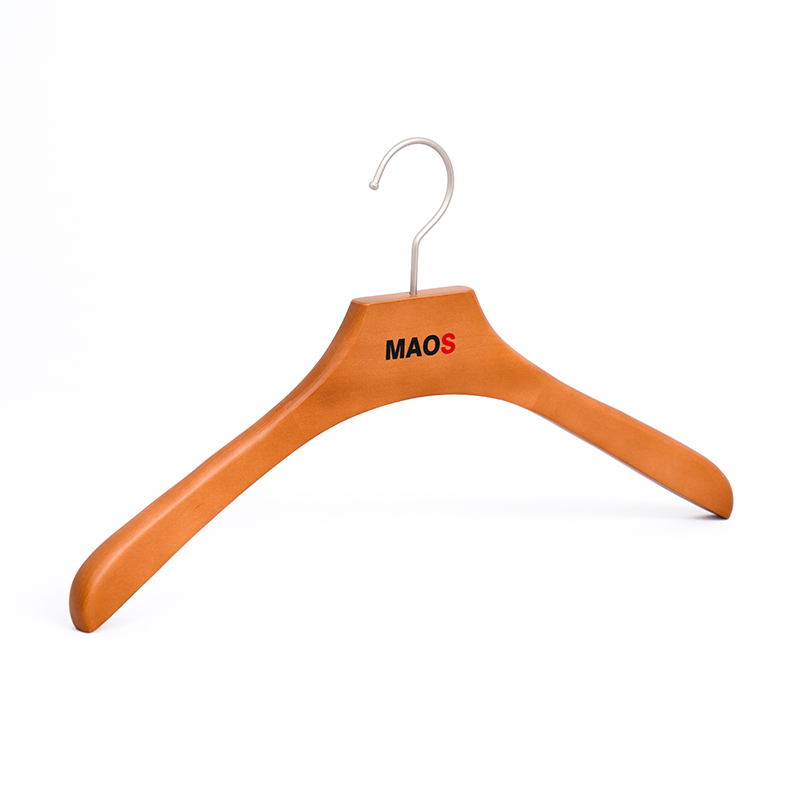
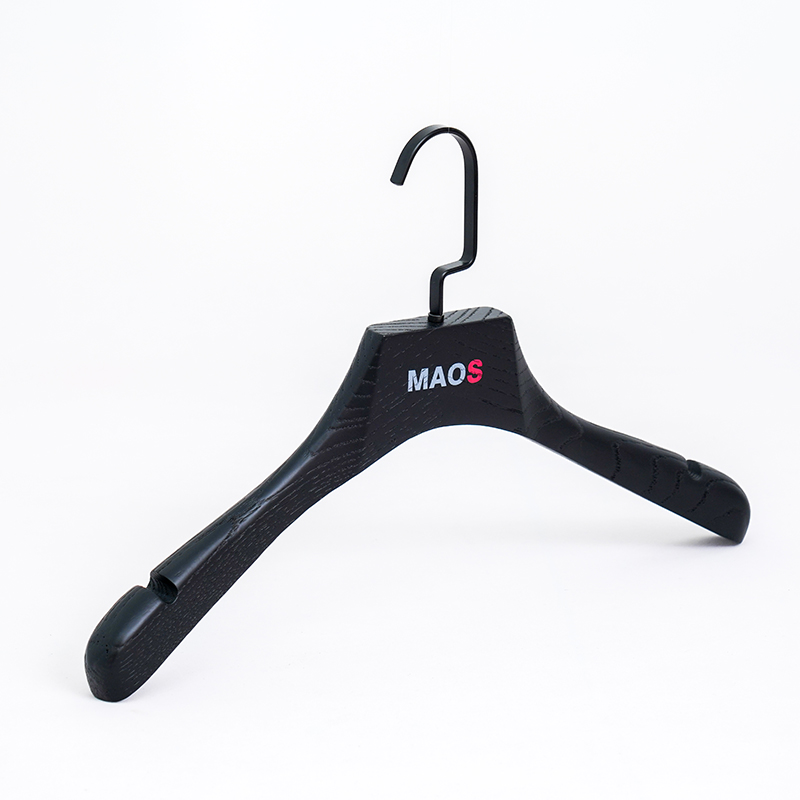
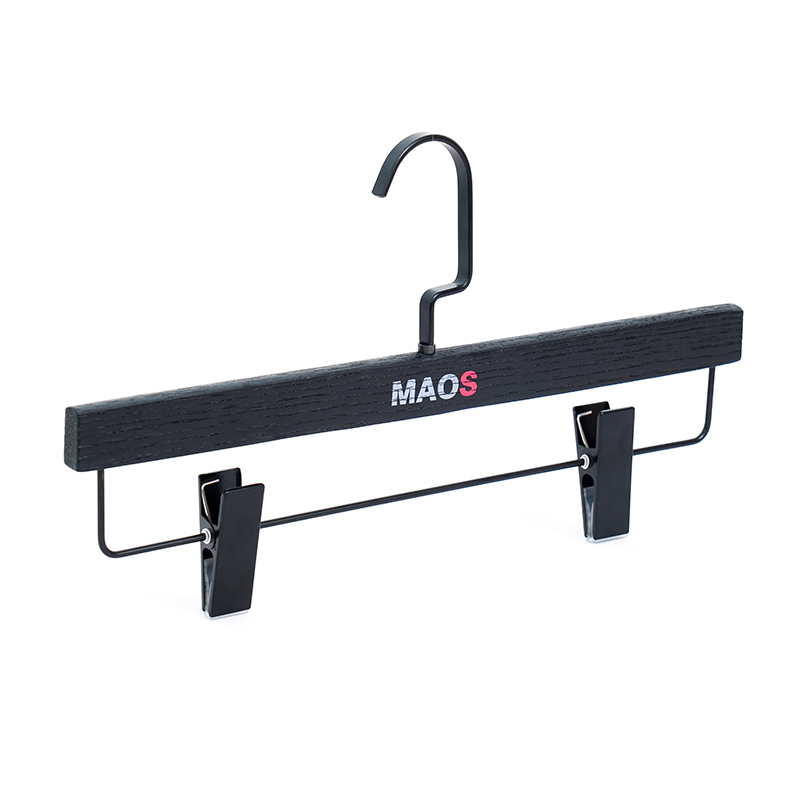
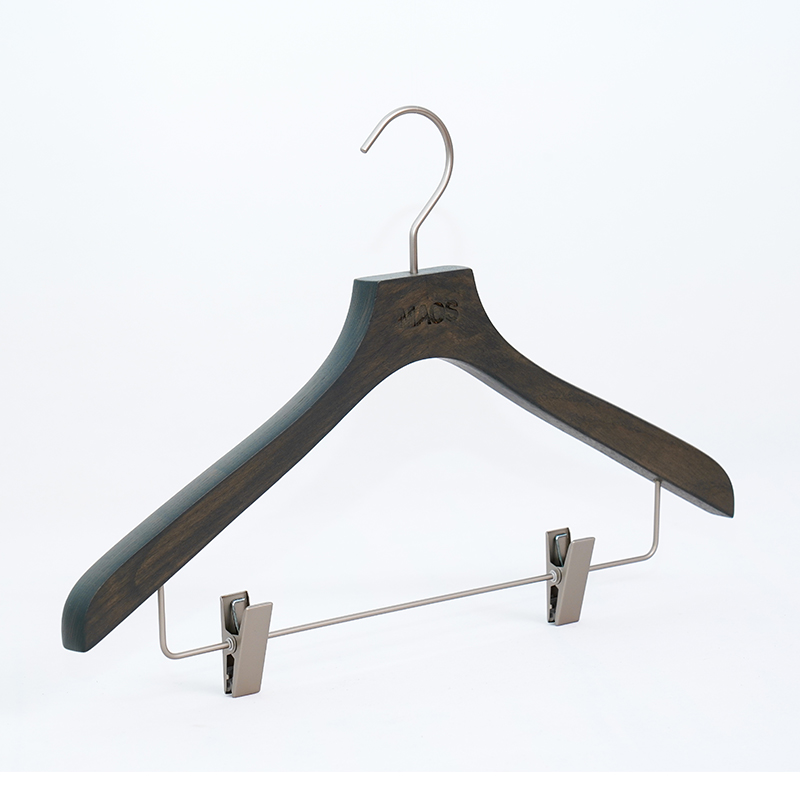
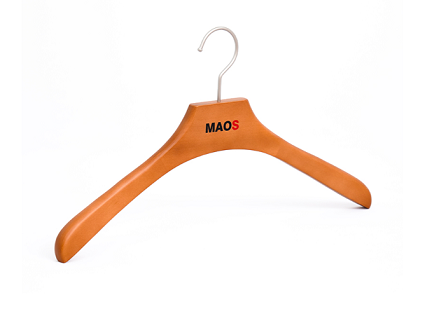
For product review, installation, or sales material use, you can also refer to the image below: Mao's aluminium cloth hanger reference image.
Final buying checklist for aluminium cloth hanger
Before placing an order, confirm these points
- Usage location is clearly identified
- Hanger type matches the room and daily laundry volume
- Dimensions fit the available installation space
- Load capacity covers wet clothing weight
- Wall material is suitable for mounting
- Required tools are prepared in advance
- Installation steps are understood clearly
- Common mistakes have been reviewed and avoided
Final advice
If you choose carefully, install correctly, and maintain it properly, an aluminium cloth hanger can provide long lasting value for both home and commercial use. The best purchase is not the most expensive one, but the one that fits your space, your usage habits, and your long term expectations.
With the right selection process, Mao's can help you find an aluminium cloth hanger that is practical, durable, and suitable for everyday use.