How To Choose Size Of Aluminium Cloth Hanger
Aug. 11, 2026
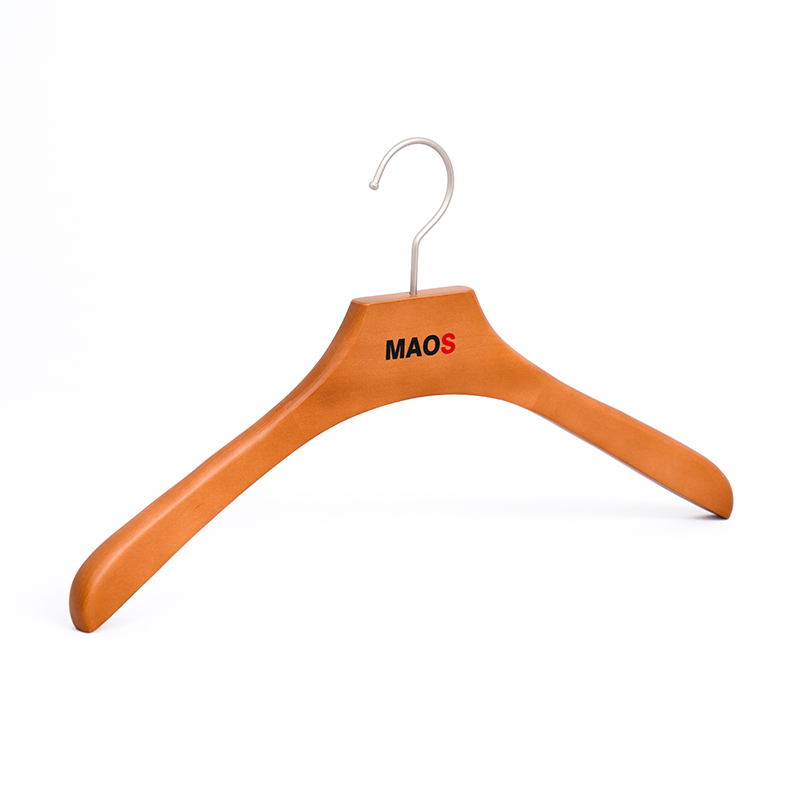
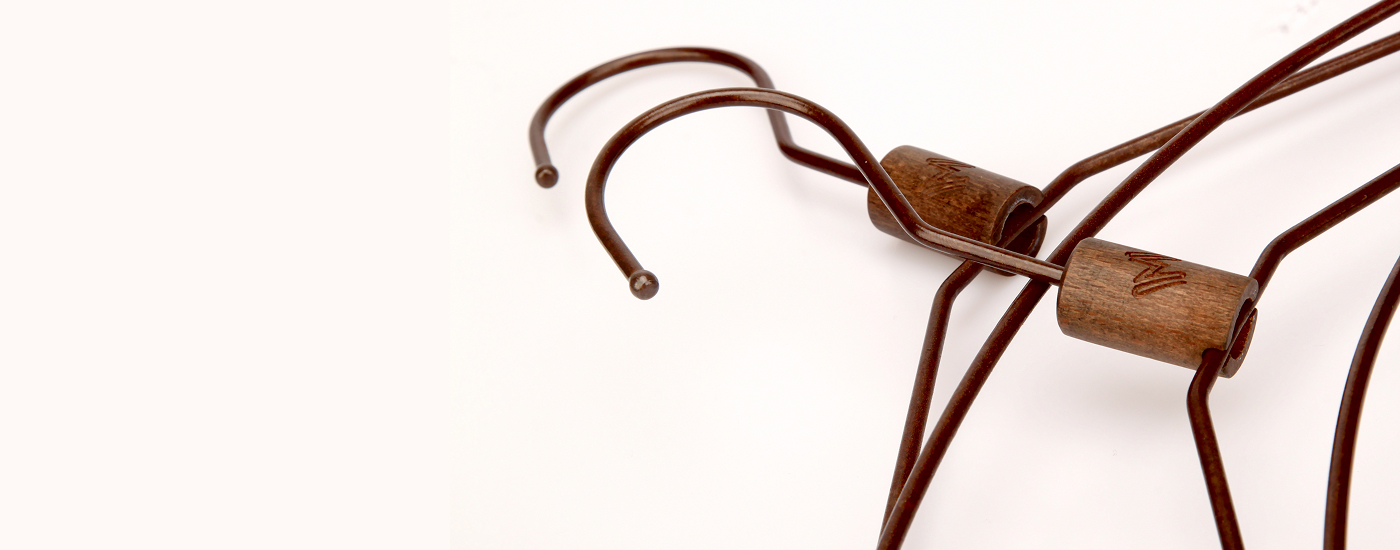
If you are comparing aluminium cloth hanger options for home, retail, hotel, or laundry use, size is the first detail that affects daily performance, drying efficiency, storage space, and long-term durability. Many buyers search Google because they want a simple way to avoid buying a hanger that is too short, too wide, too weak, or unsuitable for their clothing type. This guide explains how to choose the right aluminium cloth hanger step by step, with practical measurements, required tools, common mistakes, and purchasing advice for different user needs. For buyers looking for reliable supply and consistent quality, Mao's offers practical solutions in aluminium cloth hanger products, and you can view related product visuals here: //www.maoshangers.com/storage/watermark/f_imgs/20260206/e33a9f89d50a675331b5f48e66dc000c.jpg
Understand What Buyers Really Want Before Choosing Size
They want the hanger to fit clothes without stretching shoulders
The most common pain point is shoulder deformation. Buyers often want a hanger that supports shirts, jackets, coats, and dresses without creating bumps or leaving marks. A proper aluminium cloth hanger should match the garment shoulder width closely, so clothing keeps its original shape after hanging or drying.
They want the hanger to save space without causing crowding
Many customers are shopping for closets, laundry rooms, or drying racks with limited space. If the hanger is too wide, the closet becomes crowded. If it is too narrow, clothes may overlap, wrinkle, or fall off. The size must balance storage efficiency and garment support.
They want a hanger that works for different clothing weights
Purchasing groups often include households, hotels, laundries, and retailers. They need a size that can handle light T-shirts, medium-weight shirts, and heavier jackets. The right aluminium cloth hanger size helps prevent bending, slipping, and imbalance when the clothing load changes.
They want easy standardization for bulk purchasing
B2B buyers care about consistency. They do not want different batches of hangers to feel different in width or hook proportions. A clear sizing plan makes procurement easier, reduces returns, and keeps wardrobes, retail displays, and laundry operations uniform.
They want value for money and fewer replacements
A wrong size often leads to faster wear, product damage, and customer complaints. Buyers want an aluminium cloth hanger that lasts, fits well, and reduces replacement costs. Size is not just a fit issue; it is a cost-control issue.
Measure Your Clothing Before You Buy
First, identify the main clothing categories you will hang
Start by listing the clothes you will use most often. This is the most important first step because the right aluminium cloth hanger size depends on garment type. Common categories include:
- Shirts and blouses
- T-shirts and casual tops
- Jackets and coats
- Uniforms and workwear
- Dresses and skirts
- Children's clothing
Each category may require a different shoulder width and hook style. Do not select size based only on appearance.
Second, measure shoulder width on the largest garment
Use a ruler or measuring tape to measure the straight distance from one shoulder seam to the other. For the main garment type, the hanger should generally be close to this width. If the hanger is much wider than the garment, shoulders may stretch. If it is much narrower, the garment may slump or fold.
Third, check the neckline and hanging style
Some garments need a broader top bar or a smoother shoulder curve. Thin-neck items may be fine with slimmer designs. Wide-neck or structured items usually need a stronger and slightly wider aluminium cloth hanger to maintain shape.
Fourth, measure the available storage space
Even the best size will fail if it does not fit your closet or drying area. Measure:
- Closet rod length
- Distance between shelf and rod
- Drying rack width
- Spacing between hanging garments
These measurements help you choose a hanger size that fits both the clothes and the environment.
Use The Right Tools To Choose The Correct Size
Required tools for measurement and selection
Before ordering an aluminium cloth hanger, prepare these simple tools:
- Measuring tape
- Ruler
- Notebook or phone notes app
- Sample garment for testing
- Closet rod or rack measurement reference
- Weight scale for heavier garment tests if needed
These tools help you compare hanger dimensions with actual use conditions instead of guessing.
How to record the results step by step
Follow this process carefully:
- Measure the shoulder width of the main garment.
- Measure the width of your storage space.
- Record the average weight of the clothing items you will hang.
- Note whether the clothes are delicate, thick, or structured.
- Compare these numbers with the hanger specification sheet.
This step-by-step method reduces buying errors and helps you choose the most suitable aluminium cloth hanger size for your situation.
Match Hanger Size To Clothing Type
Choose a standard size for everyday shirts and tops
For common shirts, blouses, and lightweight tops, buyers usually need a balanced hanger width that supports the shoulder line without overstretching. A standard aluminium cloth hanger is often the safest choice for daily home use and retail display.
Select a wider size for jackets and coats
Jackets, coats, and blazers need more support. A wider hanger helps distribute weight and reduces creases at the shoulder. If the hanger is too small, heavy garments may distort quickly. For these items, the hanger should feel stable and proportioned to the garment body.
Use a smaller or slimmer size for children's clothing
Children's garments require smaller dimensions. A full-size hanger can look oversized and may deform the clothing. A compact aluminium cloth hanger is easier to organize, especially in schools, kids' rooms, and family wardrobes.
Choose a stronger size for heavy or wet laundry
For wet clothes, the hanger must handle extra weight. The size should support the garment without bending at the hook or center point. In laundry and drying scenarios, choosing the correct size is as important as choosing a strong material.
Compare The Main Size Factors Before Buying
Width affects shoulder support and spacing
Width is the most important dimension. It determines how well the hanger preserves the garment shape and how much room it takes in the closet. A good aluminium cloth hanger width should support the garment, not dominate it.
Height affects garment drop and wrinkle control
The overall hanger height influences how the clothing hangs. If the height is unsuitable, the garment may bunch near the bottom or pull unevenly. This is especially important for longer items and layered clothing.
Hook size affects compatibility with rods and racks
The hook must fit standard rods, laundry racks, and display bars. If the hook opening is too small, installation becomes difficult. If it is too large, the hanger may slide around too much. Check hook dimensions before final purchase.
Thickness affects strength and storage efficiency
Thicker hangers often feel stronger but may use more space. Thinner hangers save room but must still provide enough support. The ideal aluminium cloth hanger size depends on whether your priority is durability, compact storage, or high-density organization.
Follow A Simple Step-By-Step Buying Method
Step 1: Define your main use case
Decide whether you need hangers for home storage, laundry drying, hotel rooms, retail display, or wholesale supply. The use case determines the most suitable size and structure.
Step 2: Measure the clothes you use most often
Use a tape measure on your common garments. Focus on the shoulder width first, then note the weight and fabric type. These details tell you whether you need a standard, wide, slim, or reinforced aluminium cloth hanger.
Step 3: Measure the available hanging space
Do not skip the closet or drying space. Even a good hanger will fail in a cramped area. Measure rod length and spacing so you can avoid overcrowding.
Step 4: Compare hanger size with garment needs
Check product specifications carefully. Look at width, hook opening, thickness, and load-bearing capacity. Match those numbers with your clothing list and storage measurements.
Step 5: Test one sample before ordering in bulk
If possible, order one sample and hang different clothing types on it. This is one of the most practical ways to verify fit, balance, and appearance before placing a larger order for aluminium cloth hanger products.
Avoid These Common Mistakes When Choosing Size
Do not choose only by price
The cheapest hanger is not always the right one. If the size is wrong, you may spend more on replacements and damaged clothing. Price should be considered together with fit, strength, and usability.
Do not ignore garment shoulder structure
Some clothes need more support than others. A soft T-shirt and a structured coat are not the same. Choosing the same hanger size for everything often leads to poor results.
Do not forget the storage environment
Many buyers focus only on clothing fit and forget the closet width or rack spacing. This causes congestion, poor airflow, and messy storage. Always match hanger size with the environment.
Do not buy without checking hook compatibility
If the hook does not match your rod or rail, the hanger becomes inconvenient to use. This mistake is common in bulk purchasing and often leads to unnecessary returns.
Do not overlook load-bearing needs
Heavy clothing and wet laundry require more support. A hanger that is too light or too small may bend or lose shape. Always confirm the intended weight range before purchase.
Choose The Right Size For Different Buyer Groups
For households
Home users usually need versatile sizing. A medium or standard aluminium cloth hanger size often works best because it supports daily clothing while keeping the closet neat.
For hotels and serviced apartments
Hotels need uniformity, durability, and a clean appearance. The hanger size should fit most guest garments, especially shirts, blouses, and jackets. Consistency across rooms is important for a professional look.
For laundries and dry cleaning businesses
Laundry buyers should focus on load-bearing capacity and fast handling. The hanger size must support wet clothes, heavy items, and repeated use. A stable aluminium cloth hanger reduces bending and product loss.
For retailers and distributors
Wholesale buyers need standardized dimensions, reliable supply, and easy replenishment. The correct size improves display quality and simplifies inventory control. Mao's can support buyers looking for consistent aluminium cloth hanger supply with practical specifications.
Use This Final Size Checklist Before You Place The Order
Check the garment shoulder width
The hanger should support the garment without overextending the shoulder line. This is the first and most important check.
Check the closet or rack size
Make sure the hanger fits your storage system and does not create crowding. This prevents daily inconvenience.
Check the hook opening
Confirm that the hook fits your rod, rail, or drying rack securely. Compatibility matters in real use.
Check the expected load
Match the hanger size to the garment weight. Light, medium, and heavy items all need different support levels.
Check sample performance
If possible, test one hanger first. A real test is the safest way to confirm whether the aluminium cloth hanger size is suitable for your needs.
Choosing the right aluminium cloth hanger is simple when you follow the correct sequence: measure the clothes, measure the storage space, compare the hanger dimensions, test the sample, and avoid common mistakes. This method helps buyers save time, protect clothing shape, and make a more confident purchase. If you are sourcing for home use or bulk supply, Mao's can help you evaluate the right fit more accurately. For reference, see //www.maoshangers.com/storage/watermark/f_imgs/20260206/e33a9f89d50a675331b5f48e66dc000c.jpg and choose the aluminium cloth hanger size that works best for your wardrobe, laundry, or business needs.