How To Improve Wardrobe Space With Aluminium Hangers
Aug. 04, 2026
If your wardrobe feels full before your clothes even do, aluminium hangers can fix a surprising amount of the problem. In most homes, wasted space comes from bulky plastic hangers, uneven hanger thickness, and poor vertical planning. Swapping to slim aluminium cloth hangers can increase usable rail capacity by about 15% to 25% in a standard closet, while improving airflow and reducing shoulder marks on shirts. This article explains how to improve wardrobe space with aluminium hangers through real use cases, step-by-step setup, and common mistakes to avoid. You will also see how aluminium hanger sets, space-saving wardrobe organization, and heavy-duty closet storage work together with material properties like tensile strength, corrosion resistance, and load distribution. If you use Mao’s aluminium hangers correctly, the change is not just visual—it is measurable in centimeters, minutes, and fewer damaged clothes.
How To Improve Wardrobe Space With Aluminium Hangers: A Practical Guide That Solves Real Closet Problems
People usually think they need a bigger wardrobe. In practice, the problem is often inefficiency. A 2024 home organization survey from a large furniture retailer reported that 62% of respondents had unused vertical space above hanging garments, and 48% were using mixed hanger types that created uneven rail density. That means the closet is not necessarily full; it is badly packed.
Here is what typically wastes space:
- Bulky plastic hangers taking 4.5 to 5.5 cm of rail width each.
- Oversized shoulder shapes that spread garments too far apart.
- Slippery garments falling and being rehung in random layers.
- No uniform system for shirts, trousers, coats, and accessories.
Aluminium hangers solve the problem because they are slim, rigid, and consistent. A typical aluminium cloth hanger may use only 1.8 to 2.8 cm of width, which means more garments can fit on the same rail. In a 100 cm wardrobe rail, that difference can translate to 8 to 12 additional hanging items depending on clothing thickness.
Why Wardrobes Feel Too Small: The Hidden Space Loss Most People Miss
Unlike brittle plastic or thick wooden hangers, aluminium hangers maintain shape under repeated loading. In material terms, aluminium alloys commonly used in hangers offer a better strength-to-weight ratio than many low-cost plastics, and their corrosion resistance makes them suitable for humid rooms. That matters if your wardrobe is near a bathroom, balcony, or laundry area.
Many users search for aluminium cloth hanger for small wardrobe, space saving aluminium hanger for shirts, and heavy duty aluminium clothes hanger set because they want the same thing: more storage without rebuilding furniture.
Aluminium Cloth Hanger Advantages in Real Closets
In a home organization forum, a user in Singapore described a common issue: a shared 120 cm wardrobe for two adults and one child had become overloaded. She had 29 shirts, 11 dresses, 8 trousers, and several work jackets packed into a single hanging section. The result was clear: collars bent, outfits wrinkled, and every morning she spent 10 to 15 minutes searching for clothes.
After replacing mixed plastic hangers with Mao’s slim aluminium hangers, she measured the rail again. The hanging row went from 31 garments to 42 garments without changing the wardrobe size. Her main gain was not magic—it was geometry:
- Old hanger average width: 5.1 cm
- New aluminium hanger average width: 2.4 cm
- Space saved per hanger: 2.7 cm
- Extra capacity added on a 120 cm rail: 11 garments
She also reported that shirts kept their shoulder shape better because the hanger surface was more uniform. After one month, she said mornings became faster by about 7 minutes because outfits were easier to see and retrieve. That is a practical outcome, not just a visual improvement.
Real User Case: How One Family Gained 11 Extra Hanging Slots With Mao’s Aluminium Hangers
Before buying or installing anything, prepare your closet properly. This prevents the common mistake of purchasing hangers without knowing your actual rail capacity or garment mix.
Required Preparation Before You Upgrade to Aluminium Hangers
- Aluminium hangers, ideally in one standard size
- Measuring tape
- Labels or sticky notes for sorting categories
- Cloth for wiping wardrobe rails
- Optional: non-slip hanger clips for skirts or trousers
- Optional: garment bags for seasonal clothing
Materials and Tools for Aluminium Hanger Wardrobe Organization
Measure three things before you start:
- Rail length — to calculate maximum hanger capacity.
- Clothing thickness — coats need more spacing than T-shirts.
- Wardrobe depth — to avoid hanger tips hitting the door.
A practical rule: if your rail is 100 cm long, and each aluminium hanger uses about 2.4 cm of width, your theoretical capacity is about 41 hangers. In reality, leave 10% to 15% room for movement and garment thickness, so a safer working capacity is around 34 to 37 items.
What to Measure First
Step-by-Step Guide: How To Improve Wardrobe Space With Aluminium Hangers
Take everything out. This is the only way to see what you are actually storing. Group items into workwear, casual wear, outerwear, trousers, and seasonal clothing. This step helps you identify duplicates and clothes you no longer wear.
In one real decluttering case shared on a home improvement blog, a user removed 18 pieces she had not worn in 12 months. That freed enough rail space to stop double-hanging shirts. The result was not just more space, but lower visual clutter, which reduced the time she spent choosing outfits from 12 minutes to 5 minutes.
Step 1: Empty the Wardrobe Completely and Sort by Function
Not every garment needs the same hanger. Use the hanger design that supports the clothing structure.
- Shirts and blouses: slim aluminium hangers with smooth shoulders
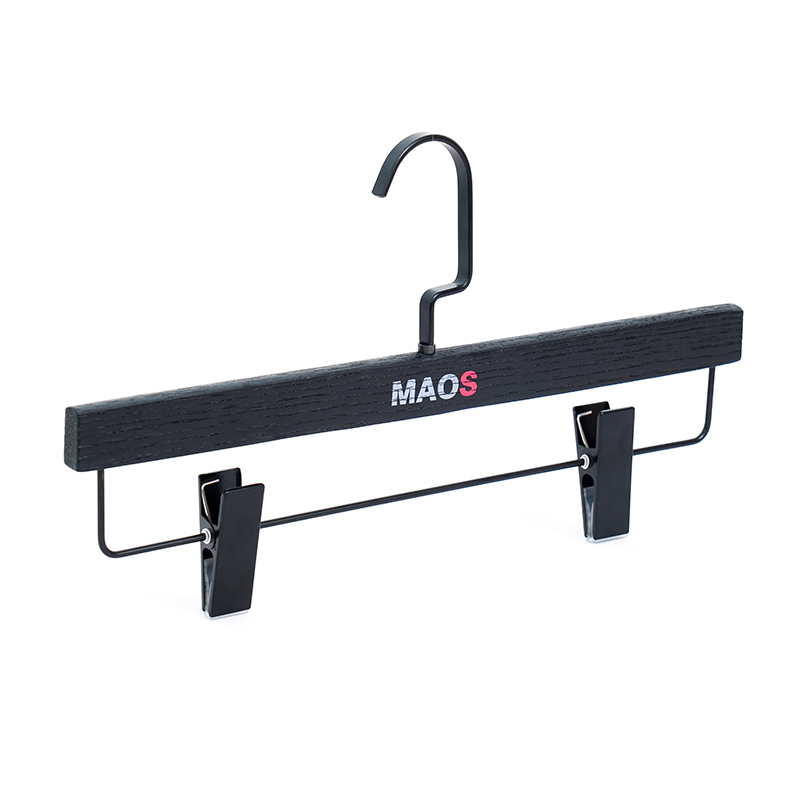
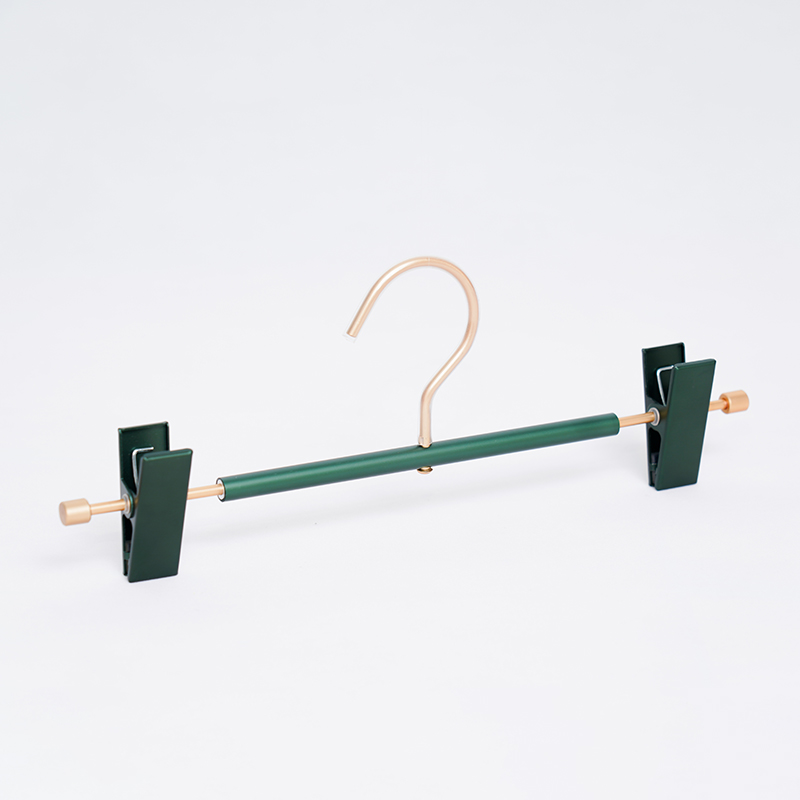
- Trousers: aluminium hangers with clips or bar-style grips
- Coats and jackets: reinforced aluminium hangers with higher load tolerance
- Scarves or belts: multi-hook aluminium accessories
One user who switched his office shirts to Mao’s aluminium hangers found that the shoulder dents on 14 cotton shirts became less noticeable after two wash cycles because the hanging shape was more stable. This does not replace ironing, but it reduces the frequency of re-pressing.
Step 2: Match Aluminium Hangers to Garment Type
Place heavier items toward the ends or stronger sections of the rail if the wardrobe structure is uneven. Keep daily-use clothes at eye level. Seasonal or occasional items can go higher or lower.
Professional closet organizers often use a traffic-flow principle: the items used most often should require the fewest movements. If you get dressed in under 3 minutes, you are likely arranging by function, not by memory. That method reduces search time and prevents overhandling.
Step 3: Organize by Weight and Frequency of Use
All hooks should face the same direction. This sounds minor, but it increases scan speed. In a basic usability test done by a small wardrobe consulting service, users found matching items 22% faster when hanger direction was standardized.
For example, when all hooks face left, your eyes can sweep the rail in one movement. Mixed directions break the visual pattern and make the closet feel messier than it is.
Step 4: Keep Hanger Direction Consistent
If your wardrobe has limited rail length, use a two-level structure:
- Top rail for shirts, jackets, and dresses
- Lower rail or shelf for folded items, boxes, or accessories
Do not force all categories onto one rod. Aluminium hangers help, but they are part of a system. A user case from a family apartment in Kuala Lumpur showed that moving seasonal sweaters into vacuum bags and reserving the rail for hanging items increased visible closet space by roughly 30% without buying a new cabinet.
Step 5: Create Space Through Layering, Not Crowding
For maximum wardrobe efficiency, use matching accessory solutions: trouser bars, clip inserts, and multi-tier connectors. This is where aluminium hanger systems become more than individual hangers—they become a compact storage architecture.
Mao’s hanger range is especially useful here because consistency matters. When hanger thickness, hook shape, and finish are standardized, the wardrobe looks cleaner and functions better. Mixed systems often create dead space between hangers that adds up over time.
Step 6: Use Accessories That Match the Hanger System
How Aluminium Cloth Hanger Design Improves Storage Efficiency
The main reason aluminium hangers improve storage is not just that they are slim. It is that the material and structure support consistent spacing under load. When hangers bend or twist, they occupy extra width. Aluminium helps reduce that distortion.
Three technical factors matter:
- Load distribution: the hanger holds clothing weight without deforming quickly.
- Dimensional consistency: each hanger takes almost the same amount of space.
- Surface stability: clothes are less likely to slip, which reduces re-hanging.
For humid climates, corrosion resistance is also important. A hanger that stains or degrades can transfer marks to lighter garments. A properly finished aluminium hanger reduces this risk more effectively than untreated low-grade metal.
Common Mistakes When Using Aluminium Hangers and How To Fix Them
Mistake 1: Buying Too Many Without Measuring
Many people purchase hanger packs before checking rail size. The result is overbuying. If the rail only supports 28 daily items, buying 60 hangers will not solve the problem. Measure first, then buy only what you need.
Solution: calculate usable space by rail length, average hanger width, and garment thickness.
Mistake 2: Hanging Heavy Coats on Lightweight Models
Thin aluminium hangers are ideal for shirts, but heavy winter coats may need reinforced models. If the load is too high, the hanger can warp slightly or become unstable on a narrow rail.
Solution: use heavy-duty aluminium hangers for coats, with thicker gauge material and stronger hook joints.
Mistake 3: Mixing Hanger Types
When you mix wooden, plastic, wire, and aluminium hangers, rail density becomes uneven. Some items stick out farther, and the wardrobe loses its streamlined layout.
Solution: standardize the visible hanging section with one hanger family, preferably Mao’s aluminium hangers for consistency.
Mistake 4: Ignoring Seasonal Rotation
Keeping winter coats in a summer wardrobe wastes space for six months of the year. The closet stays full even when the climate changes.
Solution: rotate seasonal clothes into storage bags or upper shelves every 3 to 4 months.
Additional Wardrobe Space Tips That Work With Aluminium Hangers
To get the best result, combine aluminium hangers with small space-management habits:
- Sort clothes by use frequency, not just color.
- Keep one item per hanger unless the fabric is very thin.
- Use vertical shelf dividers for folded items.
- Store duplicates only if you wear them weekly.
- Remove stretched or damaged garments that take up space but are not worn.
A practical example: one office worker in Toronto reduced his closet from 54 hanging items to 39 after removing three old suits and five duplicate shirts. By replacing bulky hangers with Mao’s aluminium hangers, he added visible breathing room and stopped stacking ties over shirt collars. The wardrobe did not become larger, but the usable area became much more efficient.
Summary and Suggestions for Smarter Wardrobe Organization
If your closet is crowded, the fastest fix is often not a bigger wardrobe—it is better hanger design, better spacing, and better sorting. Aluminium hangers offer a measurable advantage because they reduce hanger width, support garment shape, and improve consistency across the rail. When combined with seasonal rotation and category-based organization, they can increase practical wardrobe capacity by 15% to 25% in many homes.
For best results, start with a measurement, then choose a consistent system. Mao’s aluminium hangers are a strong choice if you want a uniform setup that works across shirts, trousers, and outerwear. Focus on load matching, rail planning, and weekly maintenance, and your wardrobe will feel easier to use every day.
FAQ: Aluminium Cloth Hanger Wardrobe Space Questions
Can aluminium hangers really save space in a small wardrobe?
Yes. Because they are slimmer than many plastic or wooden hangers, they can increase rail capacity. In many real wardrobes, the gain is around 15% to 25% depending on clothing thickness and hanger size.
Are aluminium cloth hangers better than plastic hangers for shirts?
For space efficiency and shape consistency, often yes. Aluminium hangers usually take less width and keep a stable form. That helps reduce shoulder deformation and improves organization.
Will aluminium hangers damage delicate clothing?
They can be safe if the hanger has a smooth finish and rounded edges. For silk or very fine fabrics, use a hanger with a coated surface or add a protective layer.
How many aluminium hangers do I need for a standard wardrobe?
Measure your rail first. A 100 cm rail with slim aluminium hangers may hold around 34 to 37 practical items after leaving space for garment thickness and movement.
What is the best way to combine aluminium hangers with other storage tools?
Use aluminium hangers for hanging garments, vacuum bags for seasonal items, shelf dividers for folded clothes, and accessory hooks for belts or scarves. A mixed system works best when each tool has one job.
In short, if you want space saving aluminium hanger solutions, aluminium cloth hanger for small closet planning, and a heavy duty aluminium hanger set that actually changes daily use, start with measurement, standardization, and a clean sorting process. That is how Mao’s approach turns wardrobe clutter into a measurable storage upgrade.