How To Maintain Aluminium Clothes Hanger
Aug. 10, 2026
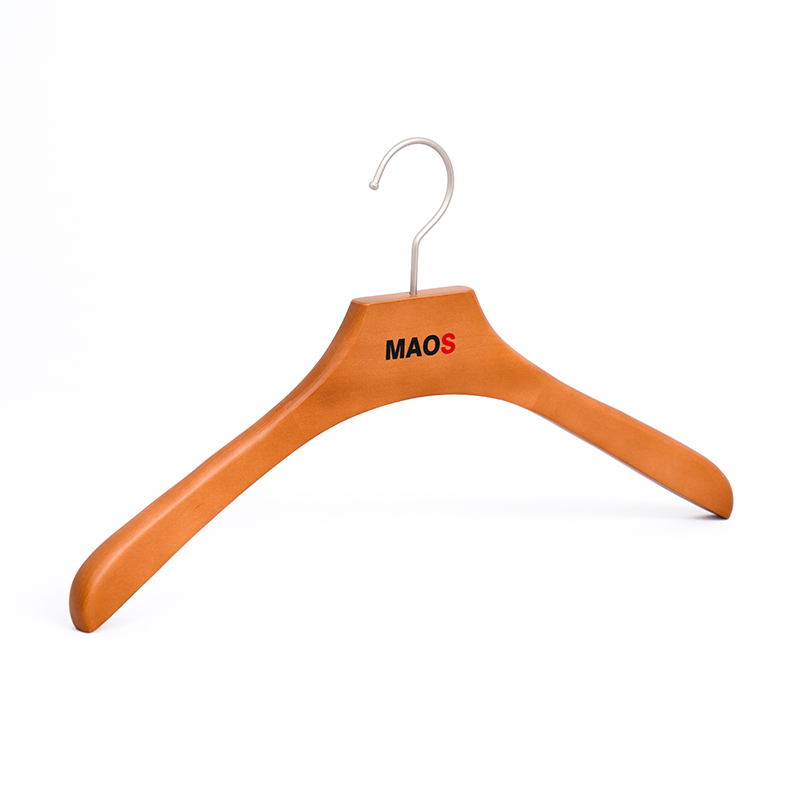
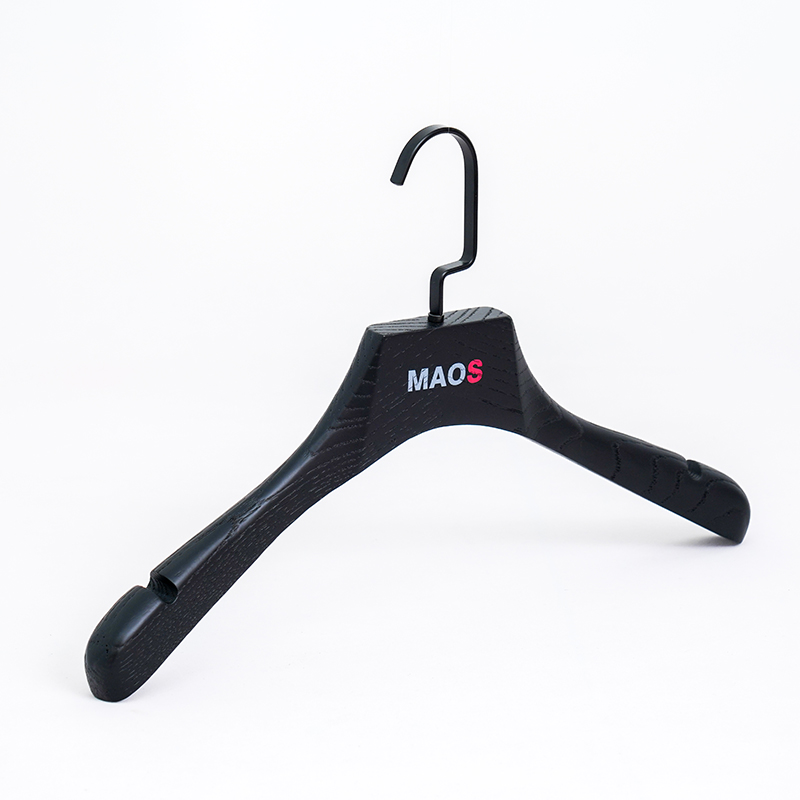
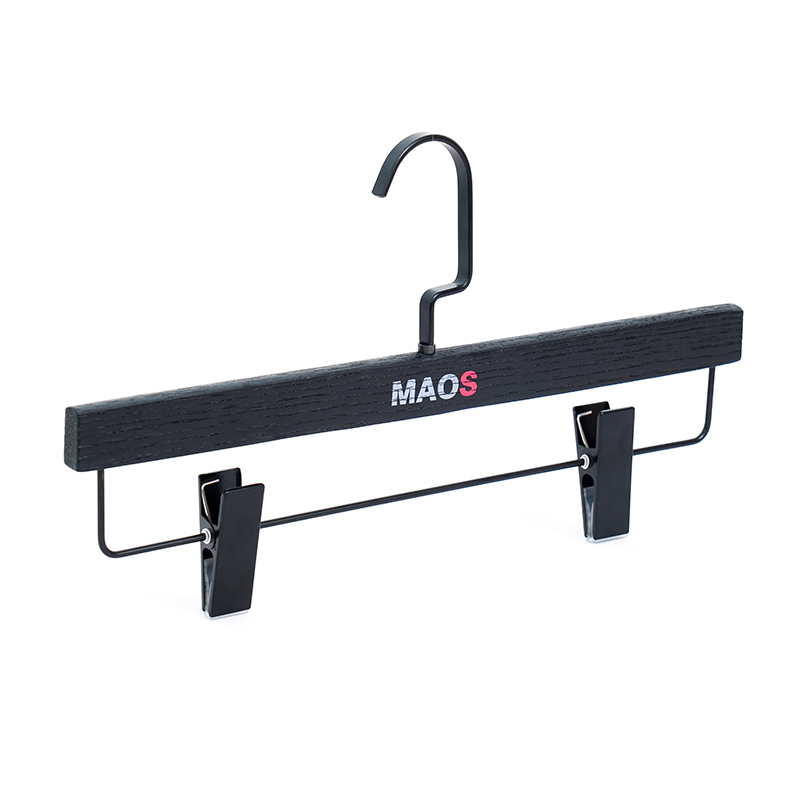
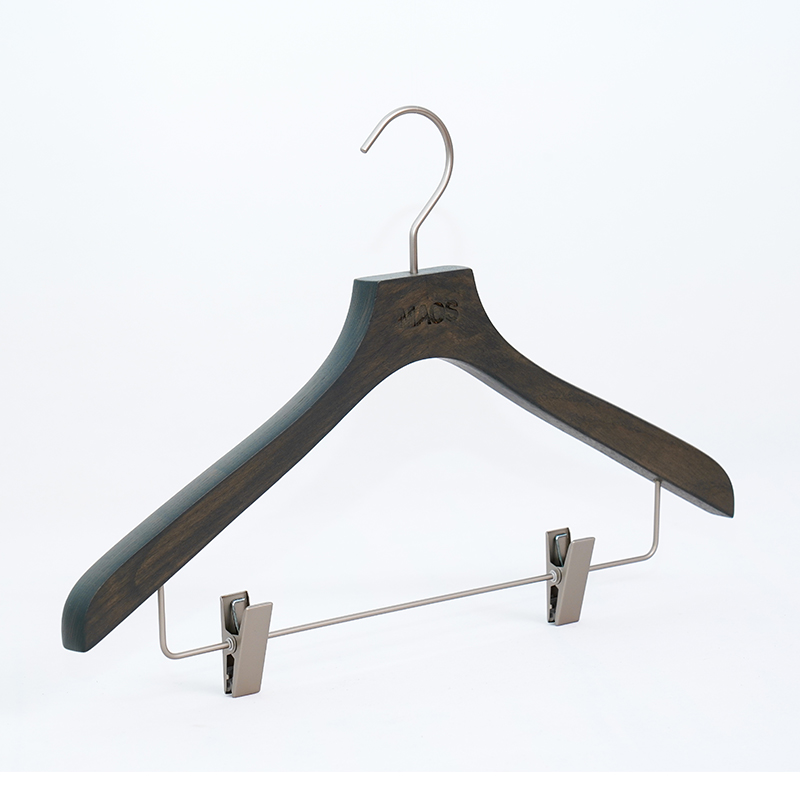
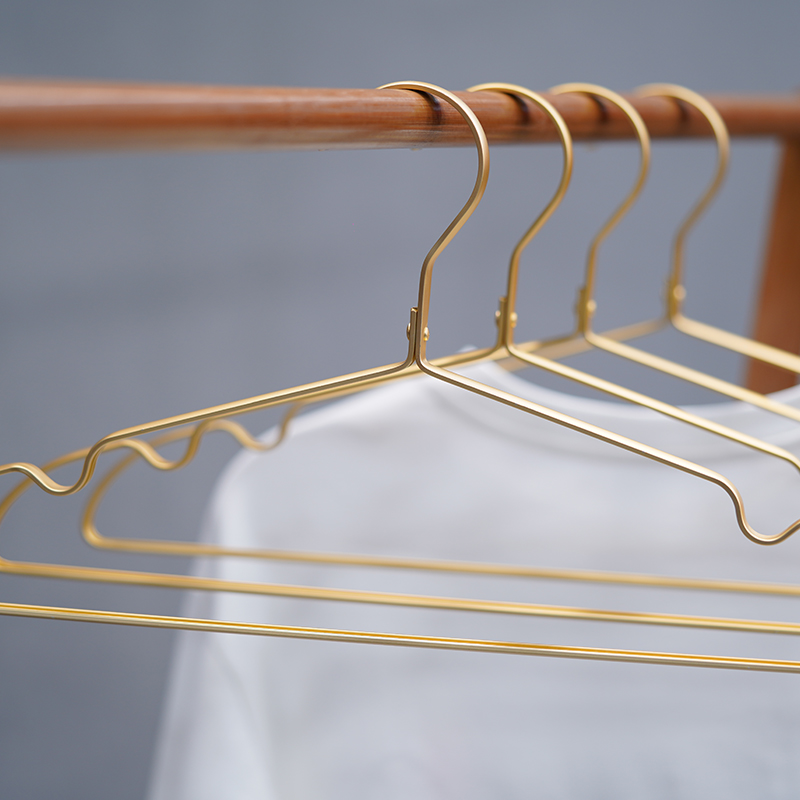
An aluminium cloth hanger is designed to be lightweight, rust-resistant, and durable, but it still needs proper care to stay in good condition for years. Many buyers and users search for maintenance advice because they want their hangers to remain clean, strong, and safe for everyday clothing storage. With the right routine, your aluminium cloth hanger can keep its shape, avoid scratches, and continue performing well in closets, laundries, retail displays, and home use. This guide explains the most practical maintenance steps, the tools you need, common mistakes to avoid, and the buying concerns that usually matter most to customers. Mao's recommends choosing quality hangers and maintaining them correctly to extend their service life. For reference, you can also review product details here: aluminium cloth hanger reference image.
Why People Search for Aluminium Clothes Hanger Maintenance Tips
They want the hanger to last longer without bending or wearing out
Most users are not looking for advanced technical maintenance. They want simple daily care that prevents common problems such as bending, discoloration, surface scratches, loose hooks, and dust buildup. The goal is to protect the hanger so it remains useful for a long time with minimal effort.
They want to avoid rust-like stains, dirt buildup, and dull appearance
Although aluminium is naturally resistant to rust, hangers can still develop stains from detergent residue, moisture, fingerprints, dust, and contact with other metals. Buyers often search for cleaning and maintenance guidance to keep the hanger looking neat and hygienic.
They want clothing protection, not just hanger protection
The end user often worries about clothing damage. If a hanger has rough edges, sharp points, or bent corners, it can leave marks on shirts, blouses, or delicate fabrics. Maintenance advice helps users keep the hanger smooth and clothing-safe.
They want low-cost, easy routines with no special equipment
Purchase groups usually prefer maintenance methods that can be done at home or in a warehouse with basic tools. They do not want complicated processes. They want fast, affordable, step-by-step instructions that staff or household users can follow easily.
What Buyers Usually Care About Most When Choosing Maintenance Advice
Durability and load-bearing performance
Customers want to know whether their hanger will stay straight and strong after repeated use. Maintenance content should explain how to prevent overloading and how to inspect for deformation early.
Appearance and presentation
Retailers, hotels, and home users often care about appearance. A clean aluminium cloth hanger looks more professional and keeps closets or displays orderly. Maintenance should focus on keeping the surface bright and free from marks.
Safety for garments and hands
Many buyers are concerned about burrs, rough weld points, and sharp hook ends. Good maintenance content should show how to check and correct these issues before they cause damage.
Efficiency in bulk use
When hangers are used in large quantities, such as in garment factories, laundry services, or stores, users need simple procedures that can be repeated quickly. The best maintenance guide should support batch cleaning, inspection, and storage.
Tools and Materials You Need Before Cleaning
Basic tools list
Before starting, prepare the following items so the process is smooth and safe:
- Soft microfiber cloths
- Mild dish soap or neutral detergent
- Warm water
- Soft sponge or non-abrasive cleaning pad
- Dry towel
- Small soft brush for corners and joints
- Rubber gloves if cleaning in large batches
- Optional: aluminium-safe polish for surface shine
Optional inspection tools
If you maintain hangers in a business setting, these extra tools help identify problems early:
- Flashlight for checking surface defects
- Pliers for minor alignment adjustments
- Measuring tape for checking shape consistency
- Storage hooks or racks for organized drying
How to Maintain Aluminium Clothes Hanger Step by Step
Step 1: Remove all clothing and inspect the hanger
First, take off any garments and check the hanger carefully. Look for dust, stains, bending, sharp points, loose joints, or surface scratches. This first inspection tells you whether the hanger only needs cleaning or also needs repair. If a hanger is already badly bent, it is better to stop using it for heavy items.
Step 2: Prepare a mild cleaning solution
Second, mix warm water with a small amount of mild detergent. Use only a neutral, gentle cleaner. Harsh chemicals can dull the surface or leave residue. The water should be warm enough to lift dirt but not so hot that it makes handling uncomfortable.
Step 3: Wipe the hanger with a soft cloth
Third, dip a microfiber cloth or soft sponge into the solution and wipe the whole hanger. Clean the hook, shoulders, sides, and bottom edges. Focus on areas that touch hands often or collect dust. If the hanger has grooves or joints, use a small brush to remove trapped debris.
Step 4: Rinse away soap residue
Fourth, wipe the hanger again using a clean damp cloth with plain water. This step is important because leftover soap can attract dust and create a sticky surface. Make sure no detergent remains on the metal before drying.
Step 5: Dry the hanger completely
Fifth, use a dry towel to remove moisture from the surface. Then leave the hanger in a well-ventilated place until fully dry. Even though aluminium is not prone to rust, trapped moisture can cause stains, water spots, or dullness over time. Complete drying is one of the simplest ways to preserve appearance.
Step 6: Check for bending or rough edges
Sixth, inspect the hanger again after cleaning. Hold it at eye level and look for any bent sections or uneven edges. If the hanger is only slightly bent, you may gently realign it by hand or with pliers wrapped in cloth to avoid scratches. If the hanger is severely damaged, replace it instead of forcing a repair.
Step 7: Polish lightly if needed
Seventh, apply a very small amount of aluminium-safe polish only when you want to restore shine. This step is optional. Use a soft cloth and buff gently. Do not over-polish, because repeated heavy polishing may wear the surface finish faster than necessary.
Step 8: Store in a clean, dry place
Eighth, place the hanger in a dry storage area away from humidity, chemical fumes, and sharp objects. Keep hangers separated so they do not scratch each other. For bulk storage, use racks or organized boxes. Good storage is just as important as cleaning because it prevents new damage.
How Often Should You Clean and Inspect Aluminium Clothes Hanger
For home use
For normal household use, a quick wipe once every one to two weeks is usually enough. If the hanger is exposed to laundry moisture, sweat, or dust, clean it more often. A full inspection once a month is a good habit.
For retail or commercial use
In stores, laundries, or garment rooms, check hangers weekly. If hangers are handled frequently, dusted regularly, or exposed to humidity, they may need more frequent cleaning. Bulk users benefit from a simple routine schedule.
For humid storage areas
If the hangers are kept in a damp room, cleaning and drying should be done more carefully. Even though aluminium resists rust, a humid environment can still affect appearance and cleanliness. Keep the storage area dry whenever possible.
Common Mistakes to Avoid During Maintenance
Using harsh cleaners or abrasive pads
Do not scrub aluminium with steel wool, rough brushes, or strong chemical cleaners. These can scratch the surface, dull the finish, and reduce visual quality. Gentle cleaning always works better in the long term.
Leaving water on the hanger after washing
Never store hangers while they are still wet. Water spots and residue can build up over time. Always dry them fully before returning them to storage or use.
Overloading the hanger with heavy clothing
One of the most common problems is using the hanger beyond its intended load. Too much weight can bend the frame or hook. Always match the hanger type to the garment weight.
Ignoring small bends or sharp edges
Small defects often become bigger problems if ignored. A slight bend can turn into a permanent deformation. A tiny sharp edge can damage fabric or hurt hands. Early correction is the best prevention.
Storing hangers in mixed metal piles
Avoid throwing aluminium hangers into piles with harder metals or rough objects. Friction can create scratches and marks. Separate storage keeps them cleaner and more presentable.
How to Troubleshoot Common Aluminium Clothes Hanger Problems
If the hanger looks dull
First, clean it with mild soap and water. Second, dry it fully. Third, use a small amount of aluminium-safe polish if needed. Dullness is often caused by dust, detergent residue, or fingerprints rather than permanent damage.
If the hanger is slightly bent
First, assess whether the bend affects function. Second, apply gentle pressure with your hands or padded pliers. Third, recheck the shape by hanging a light item. Do not force a severe bend back into shape, because this may weaken the hanger.
If there are rough spots
First, locate the exact area with your fingers carefully. Second, smooth it only with an appropriate fine tool if needed. Third, clean the area again to remove metal dust. If the rough spot is large, replacement is safer.
If the hanger keeps collecting dust
First, check the storage location. Second, move the hangers away from open windows, dusty shelves, or wet laundry zones. Third, use a regular wiping schedule. Better storage reduces cleaning work significantly.
Best Practices to Extend the Life of Aluminium Clothes Hanger
Use the right hanger for the right garment
Light shirts, blouses, and everyday clothing are ideal for standard aluminium hangers. For heavier clothes, use a stronger hanger design. Matching the hanger to the garment reduces bending and wear.
Keep a regular cleaning schedule
A simple routine works best. Quick wipe, dry fully, inspect for damage, and store properly. Consistency is more important than intensive cleaning.
Handle hangers with care during use
Avoid dropping hangers on hard floors or tossing them into storage bins. Gentle handling protects the shape and keeps the surface looking new.
Choose quality products from trusted suppliers
Well-made hangers usually have smoother edges, better finishing, and more stable hooks. Mao's focuses on practical hanger quality that supports long-term use in both home and commercial settings.
Quick Maintenance Checklist for Daily Use
Daily or weekly checklist
- Remove dust with a soft cloth
- Check for bends or rough edges
- Make sure the hanger is dry before storage
- Use only mild detergent when washing
- Store separately to avoid scratches
- Avoid overloading with heavy garments
Monthly checklist
- Do a full visual inspection
- Clean any stubborn residue
- Test the hook and frame for stability
- Replace damaged hangers before they affect clothing
With the right maintenance routine, an aluminium cloth hanger can stay clean, stable, and useful for a long time. The process is simple: inspect, clean, dry, check, and store properly. If you want durable hanger options and practical product support, Mao's provides solutions designed for everyday use and commercial needs. For more product reference, visit: aluminium cloth hanger reference image.