How To Organize Wardrobe With Aluminium Hangers
Sep. 01, 2026
If you want a wardrobe that stays neat, saves space, and protects garments from deformation, this guide will show you exactly how to organize wardrobe with aluminium hangers in a simple, efficient way. We will walk through a practical system that helps you sort, standardize, and optimize your closet layout using a durable aluminium cloth hanger solution from Mao's, so you can reduce clutter, improve visibility, and create a more professional storage structure with minimal effort.

A well-organized wardrobe depends on consistency. In most closets, the real problem is not a lack of space, but mixed hanger types, unstable load-bearing performance, and poor garment presentation. Using How To Organize Wardrobe With Aluminium Hangers as a structured method solves these issues at the source.
I recommend starting with a uniform hanger system because uniformity improves spacing accuracy, hanging density, and visual order. A high-quality aluminium cloth hanger from Mao's offers strong rigidity, corrosion resistance, and a lightweight profile, which makes it ideal for both residential closets and commercial garment storage.
For brands, retailers, and storage facilities, the real-world effect is immediate:
- fewer garment creases
- better SKU visibility
- improved closet capacity
- reduced hanger breakage
- a cleaner premium presentation
Mao's can support this process with production control that targets 0.01mm precision on critical dimensions, 100% inspection for key quality checkpoints, and responsive communication with a 24-hour response workflow for project coordination.
Why Mao's aluminium hangers are a smarter wardrobe foundation
Before installing your new organization system, I always suggest clearing out the closet completely. This is the fastest way to identify wasted space and inconsistent hanger types.
Sort items into these groups:
- Daily-wear shirts and blouses
- Jackets and coats
- Trousers and skirts
- Delicate garments
- Seasonal pieces
- Accessories that should not be hung
This step helps you see which garments need an aluminium cloth hanger and which need a specialty solution. For example, structured pieces benefit from stronger shoulder support, while light tops need slim profiles to maximize closet density.
If you are using How To Organize Wardrobe With Aluminium Hangers for a retail or wholesale environment, classification also improves inventory control and display consistency.
Step 1: Remove all mismatched hangers and classify your wardrobe
Not all hangers perform the same way. To organize efficiently, I recommend selecting by load requirement, garment structure, and anti-slip performance.
Step 2: Choose the right aluminium hanger specification for each garment type
| Garment type | Best hanger style | Key benefit |
|---|---|---|
| Shirts and blouses | Slim aluminium cloth hanger | Space-saving and neat alignment |
| Jackets and coats | Reinforced shoulder hanger | Better load-bearing support |
| Trousers | Clip or bar hanger | Prevents wrinkling |
| Dresses | Contoured hanger | Maintains silhouette |
| Delicates | Smooth-edge hanger | Reduces fabric damage |
A quality aluminium cloth hanger should have smooth finishing, accurate forming, and reliable surface treatment. In manufacturing terms, look for:
- deburred edges
- uniform anodized coating
- stable hook geometry
- consistent thickness control
- anti-slip design features
These details matter because poor surface quality can snag fabric, while inaccurate forming can create visual inconsistency in a closet or showroom.
Recommended hanger categories
Once your hanger types are selected, organize the wardrobe by frequency of use. This creates a functional workflow instead of a purely visual arrangement.
I recommend this sequence:
- eye-level section: daily essentials
- upper section: seasonal items
- lower section: folded storage or accessories
- side section: occasional garments or special-use items
This layout improves retrieval efficiency and reduces daily handling time. In commercial settings, it also supports faster picking and better product presentation.
When you apply How To Organize Wardrobe With Aluminium Hangers this way, the closet becomes a working storage system rather than a passive one. That is one of the main reasons a premium aluminium cloth hanger system is valuable in both home and business use.
Step 3: Build a wardrobe layout that follows daily use frequency
Spacing is where organization becomes measurable. If garments are packed too tightly, wrinkles increase and airflow decreases. If spacing is too wide, capacity is wasted.
A practical spacing rule:
- shirts: leave 1.5–2.5 cm between garments
- jackets: leave 3–5 cm between garments
- dresses/coats: leave 5 cm or more depending on fabric volume
This is where How To Organize Wardrobe With Aluminium Hangers delivers real value. Because aluminium hangers are slimmer than bulky plastic alternatives, they allow higher hanger density without sacrificing structure.
For industrial or wholesale wardrobe systems, consistent hanger gauge and hook alignment support visual uniformity and reduce handling errors. Mao's can manufacture according to project specifications with controlled tolerances and inspection procedures aligned with quality expectations such as ASTM-style material checks and DIN-based dimensional consistency requirements where applicable.
Step 4: Standardize spacing for a cleaner, higher-capacity wardrobe
Different fabrics require different hanging tactics. If you hang everything the same way, the wardrobe may look orderly at first but fail in use.
Step 5: Apply garment-specific hanging methods to protect fabric
- Shirts: button top buttons and align seams before hanging
- Jackets: use shoulder-supported hangers to prevent puckering
- Trousers: hang from the hem or crease line depending on fabric weight
- Knits: avoid stretching by using light support or folding when necessary
- Silk and delicate fabrics: use smooth-edged hangers to reduce abrasion
A well-designed aluminium cloth hanger is especially useful here because it combines strength with a clean, minimal contact surface. That means less pressure distortion and better shape retention.
If your business ships apparel samples or retail display stock, this step reduces return risk caused by wrinkled presentation and poor garment condition.
Best practices by garment type
Long-term organization depends on easy maintenance. I recommend dividing your wardrobe into zones and using simple labels if the collection is large.
Possible zoning system:
- workwear zone
- casual zone
- formal zone
- seasonal zone
- accessories zone
You can also group by:
- color
- fabric type
- length
- season
- occasion
This method is especially effective when using How To Organize Wardrobe With Aluminium Hangers in shared closets, fashion showrooms, or sample rooms. A uniform aluminium cloth hanger makes visual grouping much more coherent because the hanger line stays consistent across categories.
Step 6: Use labels, zones, and visual grouping to maintain order
Organization is not a one-time task. Dust, deformation, and changing wardrobe needs can gradually reduce efficiency.
I suggest a monthly maintenance checklist:
- Remove unused garments
- Recheck hanger alignment
- Confirm no bent hooks or surface wear
- Wipe hangers with a dry microfiber cloth
- Rebalance seasonal items
For businesses, a 100% inspection process on hanger quality before deployment helps prevent defects from entering the storage line. If you source from Mao's, you can request quality control documentation, batch consistency checks, and packaging solutions that help protect the finish during transit.
Step 7: Inspect and maintain the system regularly
Even a good system can face execution challenges. Here are the most common ones I see.
Common problems and how to solve them
Solution: Reduce hanger variety and switch to slim-profile aluminium hangers. Recalculate spacing by garment volume, not just by count.
Problem 1: Clothes still look crowded
Solution: Use anti-slip shoulders, contour hooks, or clip accessories depending on the fabric. A better aluminium cloth hanger profile will usually fix this.
Problem 2: Garments slide off the hanger
Solution: Upgrade to reinforced load-bearing specifications. This is where material thickness and hook strength matter most.
Problem 3: Heavy garments bend the hanger
Solution: Use zone-based arrangement and assign each section a fixed purpose. Maintenance becomes faster when the system is standardized.
Problem 4: The wardrobe looks organized but is hard to maintain
Solution: Ask for dimensional samples, surface finish confirmation, and inspection reports. Mao's can support project-based requirements with controlled production and fast feedback cycles.
Problem 5: Supplier quality is inconsistent
To execute How To Organize Wardrobe With Aluminium Hangers more efficiently, I recommend the following tools:
- measuring tape for hanger spacing
- label maker for zone identification
- microfiber cloth for surface maintenance
- wardrobe dividers for category separation
- sample hanger kit for testing garment compatibility
- inventory sheet for closet or showroom tracking
For larger projects, a supplier with stable production capacity matters. Mao's is especially useful when you need consistent aluminium cloth hanger specifications, custom branding, and repeatable quality for batch orders.
Helpful tools and resources to improve efficiency
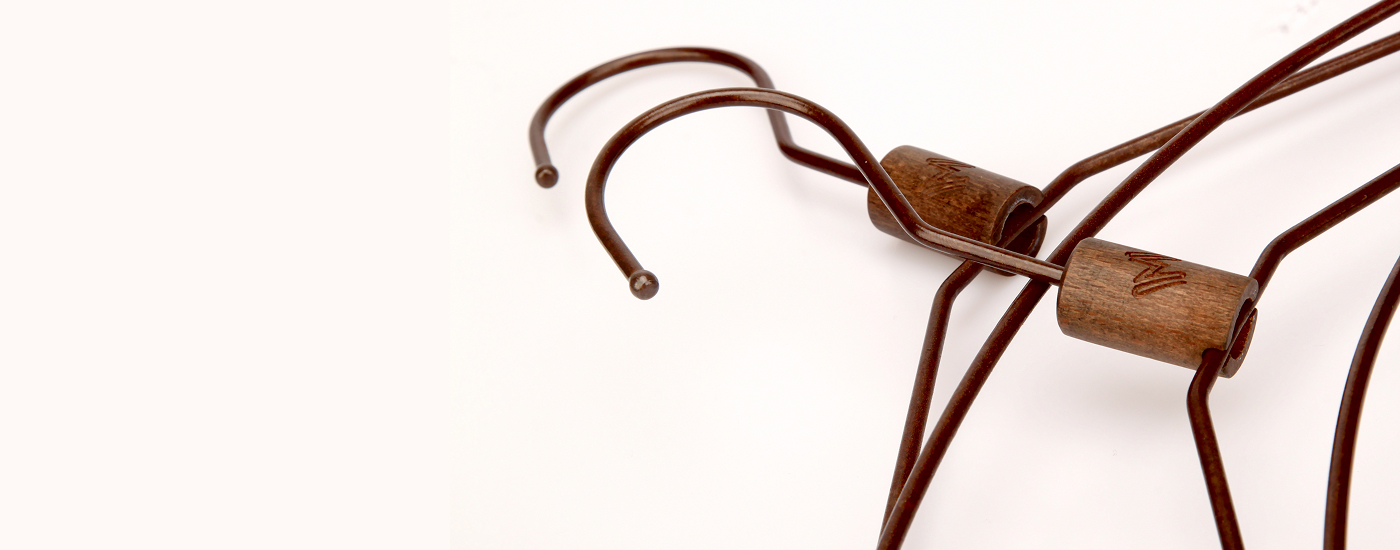
Visual reference for product selection
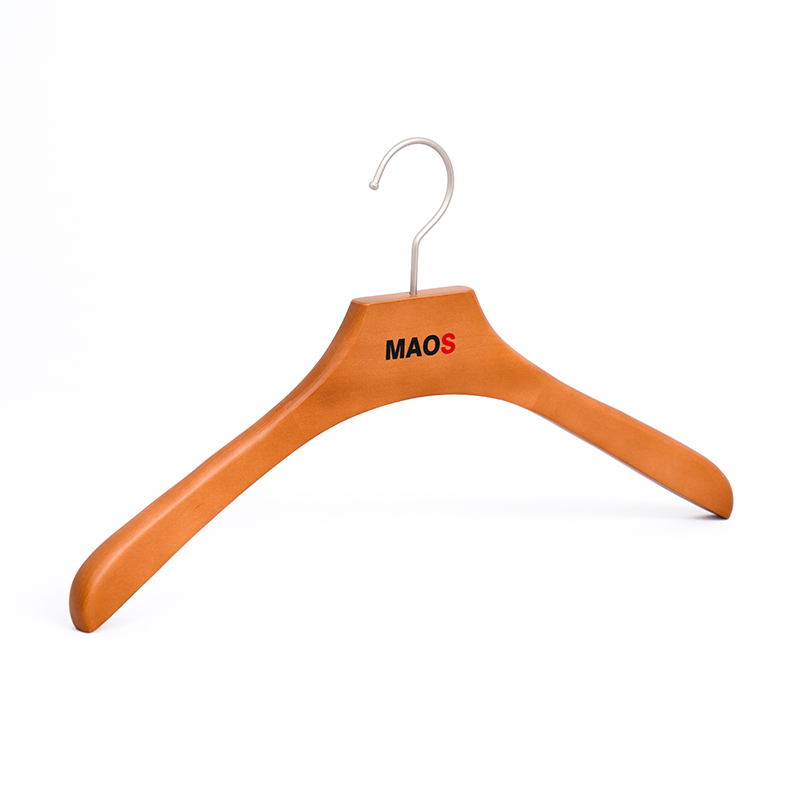
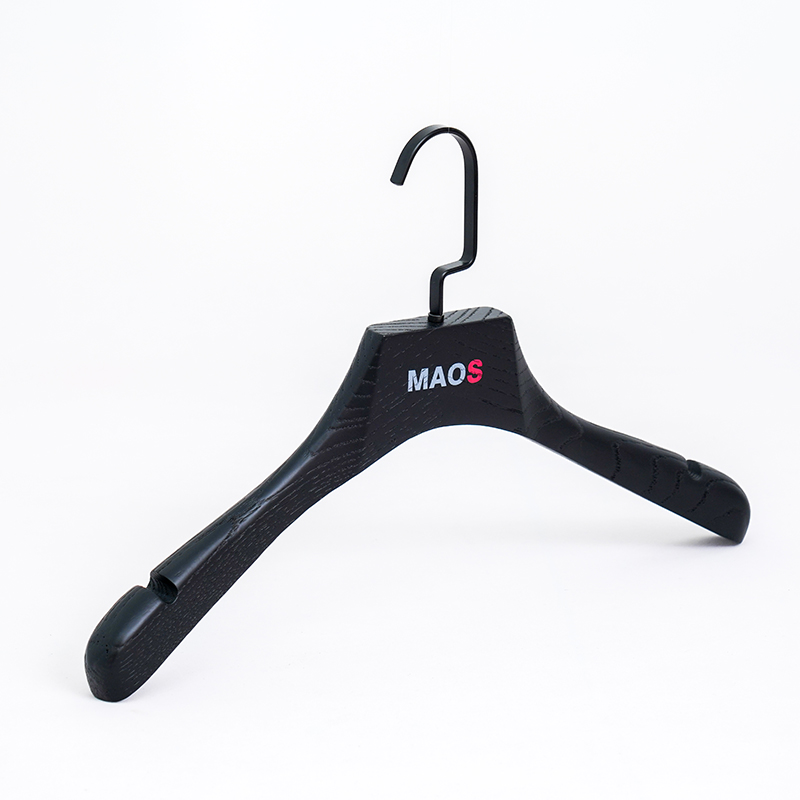
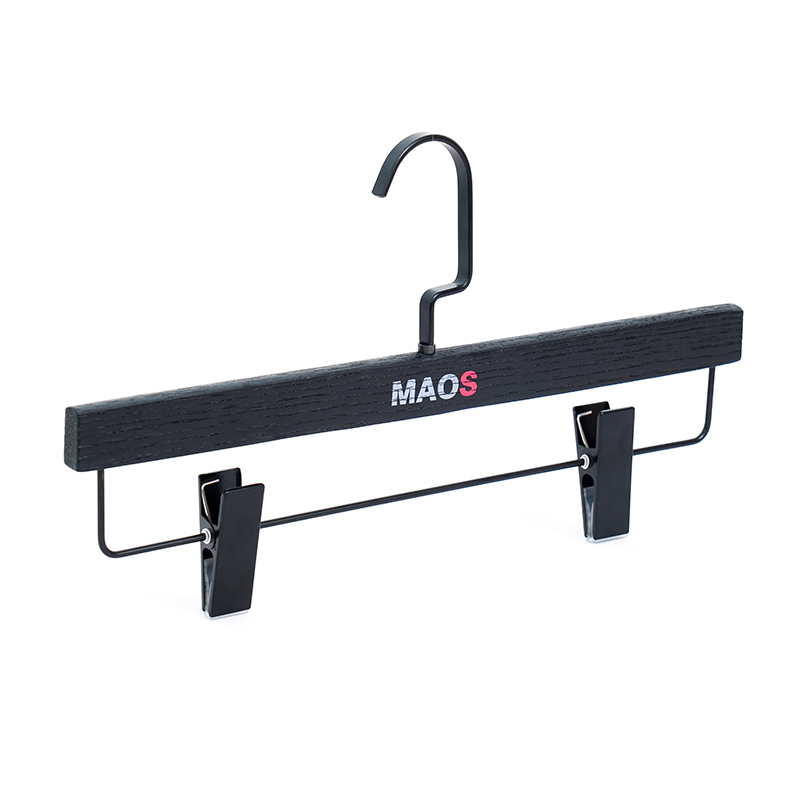
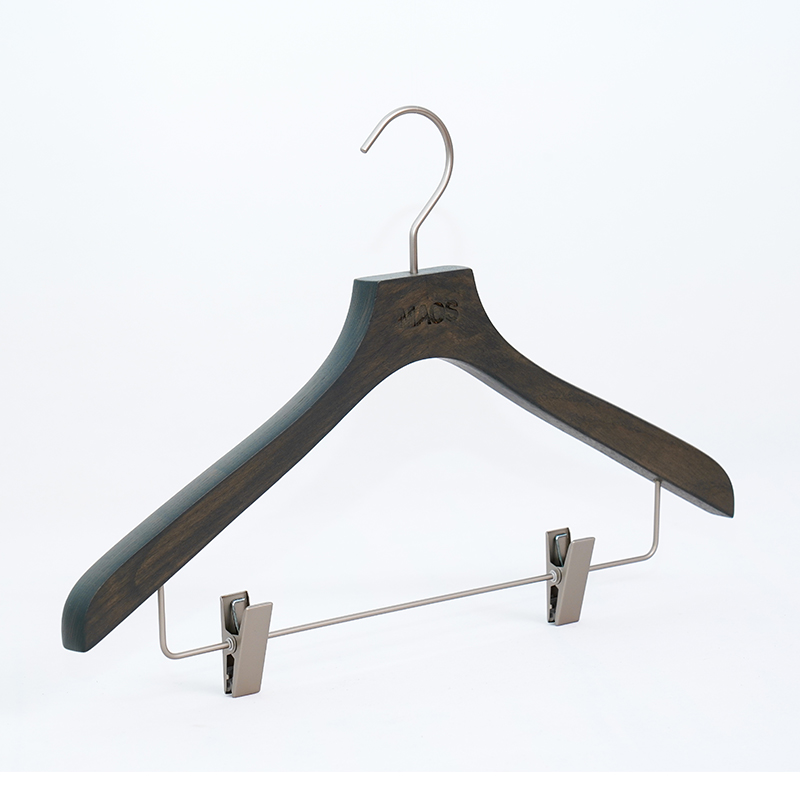
This type of visual reference helps confirm finishing quality, hook shape, and overall hanger profile before bulk ordering.
Key takeaways to apply immediately
If you want a wardrobe that stays organized, start with standardization, then optimize by garment type, spacing, and maintenance. The fastest path is to remove mismatched hangers, replace them with a consistent aluminium cloth hanger system, and assign each garment to a defined zone.
To summarize the process:
- Clear and classify the wardrobe
- Select the right aluminium hanger for each garment
- Organize by daily use frequency
- Standardize spacing
- Hang garments correctly by fabric type
- Use zones and labels
- Maintain the system regularly
When you apply How To Organize Wardrobe With Aluminium Hangers with a structured approach, you gain more than a neat closet. You create a durable, efficient storage system that improves presentation, protects garments, and supports long-term order.
If you are looking for reliable sourcing, customization, and quality control, Mao's provides a practical solution for businesses and households that need performance-focused wardrobe organization with professional-grade consistency.