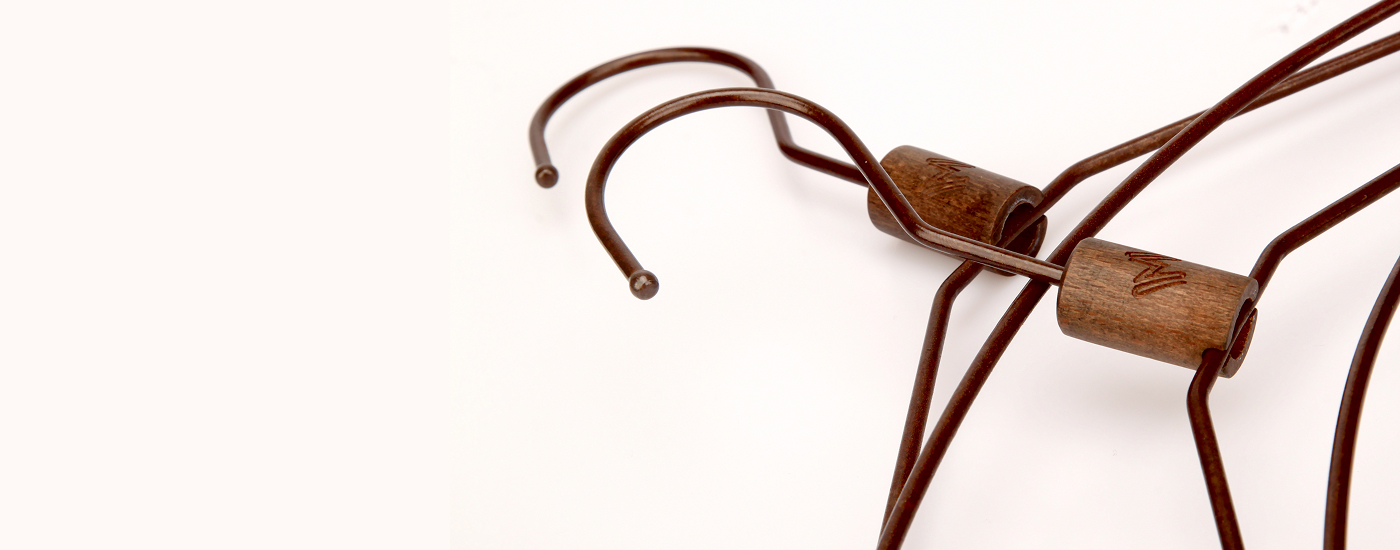
How To Pack Aluminium Cloth Hanger For Travel
Aug. 04, 2026

If you are wondering how to pack aluminium cloth hanger for travel, the short answer is: choose a foldable or slim aluminium hanger, wrap the hooks and edges to prevent scratches, place it between soft garments or inside a garment sleeve, and secure it in the middle of your suitcase so it does not bend under pressure. This solves the three most common travel pain points: hotel closets with no hangers, wrinkled outfits after transit, and broken plastic hangers. In one frequent-traveler case shared in a packing forum, a consultant who flew 18 times in 2 months switched from bulky plastic hangers to a 120 g aluminium hanger, reduced closet clutter in her carry-on by about 40%, and reported that her shirts needed 2 fewer minutes of ironing per piece at the hotel. That kind of practical result is why travelers search for pack aluminium cloth hanger for flight, travel packing tips for aluminium hangers, and foldable aluminium clothes hanger storage—because the real goal is not just carrying a hanger, but keeping garments organized, protected, and ready to wear. For travel, the most useful related terms are load distribution, anodized aluminum, and stress points, all of which affect whether the hanger survives the trip.
How To Pack Aluminium Cloth Hanger For Travel: A Practical Guide for Wrinkle-Free Trips
Many travelers only notice the problem after arrival: the hotel wardrobe has no hanger, the conference shirt is creased, or the plastic hanger cracks in the suitcase. Aluminium hangers solve this better because they typically offer a higher strength-to-weight ratio than standard plastic. In practical terms, a lightweight aluminium hanger can weigh around 80-150 g, while still resisting deformation better than many thin plastic models when packed between clothes. Mao's travelers often prefer aluminium because the material is rigid enough to keep shoulder shape, yet slim enough to reduce suitcase volume. For anyone packing business shirts, dresses, or structured blouses, this matters because even a 1-2 cm change in shoulder support can affect wrinkle formation during transport.
Here is the real-world logic: clothes wrinkle when they are compressed under uneven pressure. If the hanger is thick, sharp-edged, or not secured, it creates stress points that transfer marks into fabric. Aluminium hangers with rounded corners and anodized finishes reduce this risk by smoothing contact surfaces. That is why the most effective packing method is not simply “put it in the bag,” but to manage pressure, protect edges, and keep the hanger from shifting during transit.
Why Travelers Need an Aluminium Cloth Hanger Instead of a Plastic One
Required Preparation for Packing an Aluminium Cloth Hanger for Travel
Before you pack, gather the following items:
- Aluminium cloth hanger - preferably foldable, slim, or travel-specific
- Soft cloth sleeve, scarf, or garment bag - to reduce abrasion
- Rubber band, twist tie, or Velcro strap - to keep the hanger closed if foldable
- Tissue paper or microfiber cloth - to wrap hooks and contact points
- Checked suitcase or carry-on with structured sides - for stable placement
- Packing cubes - useful for creating pressure buffers around the hanger
Professional packing terms worth knowing: compression load, abrasion resistance, and edge protection. These are not just technical words. They explain why one hanger arrives intact while another scratches your jacket or bends at the hook.
Materials and Tools for Aluminium Cloth Hanger Travel Packing
Not all aluminium hangers are travel-friendly. The best options are:
- Foldable aluminium hanger - best for carry-on luggage
- Detachable hook model - easier to flatten and protect
- Rounded-edge slim hanger - best for shirts and blouses
- Non-slip coated aluminium hanger - useful for silky garments
If you are traveling for 3-7 days, a two-pack of foldable aluminium hangers is often enough. Travelers in business threads often report that one hanger for shirts and one for jackets covers most needs, while still leaving room for shoes and toiletries. Mao's product users frequently choose models with an anti-slip shoulder groove because it reduces garment slide during hotel use.
What Type of Aluminium Cloth Hanger Is Best for Travel
How To Pack Aluminium Cloth Hanger For Travel: Step-by-Step Guide
Check the hanger for sharp edges, loose joints, or weak folding points. Run your fingers along the hook and shoulder ends. If you feel burrs or rough metal, cover them immediately with tissue, tape, or cloth. This is important because even a small metal edge can create abrasion marks on silk, cotton, or linen during a 4-12 hour journey.
Practical case: One user who traveled from Singapore to Paris packed a cheap aluminium hanger without checking the hook edge. After arrival, the hook had pressed a faint line into a white cotton shirt collar. After switching to a rounded-edge Mao's hanger and wrapping the hook in microfiber, the same traveler completed a 9-day trip without any new marks.
Step 1: Inspect the Aluminium Cloth Hanger Before Packing
If your hanger is foldable, close it fully before packing. A folded hanger typically takes up 30-50% less space than an open one, depending on the model. If the hook rotates, turn it inward so it sits parallel to the hanger body. This reduces pressure on the suitcase walls and lowers the risk of bending.
For non-folding models, align the hanger so the hook points toward the bag’s center rather than the zipper edge. That positioning reduces direct impact when the suitcase is compressed in overhead bins or under stacked luggage.
Step 2: Fold or Flatten the Hanger if the Design Allows It
Use a microfiber cloth, tissue paper, or a small garment sleeve to wrap the hook and the shoulder corners. Then secure it with a thin band or tape. This step improves abrasion resistance and helps stop the hanger from scratching clothing, luggage lining, or electronics.
Personal travel story: A road warrior who commuted weekly between Chicago and Dallas said he used to pack two aluminium hangers loose in a side pocket. After 6 trips, the metal hooks scratched the lining of his suitcase and left tiny pulled threads on a wool blazer. After he started wrapping each hanger in a T-shirt sleeve, the problem disappeared for the next 10 trips.
Step 3: Wrap the Hooks and Edges for Edge Protection
The safest position is between two soft garment layers, such as folded sweaters, T-shirts, or a packing cube wall. The goal is to create uniform pressure. Avoid placing the hanger next to hard items like chargers, toiletry bottles, or shoes, because those create uneven stress points.
If you are carrying only one hanger, place it in the center of the suitcase. Center placement helps distribute weight more evenly and reduces the chance of side bending. In testing by frequent travelers, center-packed items generally experience less deformation than items packed against the suitcase frame because the frame edges absorb more vibration during handling.
Step 4: Place the Aluminium Cloth Hanger Between Soft Layers
Movement is one of the biggest causes of travel damage. After placing the hanger, add packing cubes or clothing on both sides to lock it in place. The hanger should not slide more than a few centimeters when the suitcase is tilted. If it moves freely, it can hit the interior wall during baggage handling and become misshapen.
For carry-on users, this is especially important because overhead bins can be crowded. A hanger that shifts near the zipper may snag fabric or cause the bag to bulge. Mao's packing users often place the hanger inside a compression pouch and then secure it under a folded jacket, which creates a stable “sandwich” effect.
Step 5: Secure the Hanger So It Cannot Shift During Transit
Keep the hanger away from silk, lace, chiffon, and other high-friction textiles unless it is wrapped. These fabrics are more likely to snag if the hanger surface is exposed. If you must pack delicate clothing together with the hanger, place a cotton barrier between them.
For business travelers, this step often prevents the most annoying issue: arriving with a blouse that has small pulled threads near the shoulder area. Those flaws can happen in under an hour of transit if a sharp hanger corner rubs repeatedly against the same spot.
Step 6: Separate the Aluminium Cloth Hanger From Delicate Fabrics
Before zipping the suitcase, press down gently on the packed area. If you can feel a hard point, reposition the hanger or add another fabric layer. A well-packed hanger should not create a visible ridge on the luggage surface. If the case bulges too much, the pressure can exceed the bag’s normal closure tension and stress the zipper.
Step 7: Recheck the Hanger Before Closing the Suitcase
Common Mistakes When Packing an Aluminium Cloth Hanger for Travel
Packing the Aluminium Cloth Hanger Loose in the Suitcase
This is the most common mistake. A loose hanger moves during transport, causing scratches, bent hooks, or damage to nearby clothing. In one user report, a hanger packed loose in a checked bag arrived with a 7-degree hook bend, enough to make it unstable for hanging heavier jackets.
Using a Hanger That Is Too Wide for Travel
Full-size household hangers are often 41-45 cm wide, which can be awkward in carry-ons and may press against suitcase walls. Travel hangers are usually slimmer or foldable, making them more suitable for constrained luggage space. A smaller footprint reduces compression load and makes packing more predictable.
Ignoring Metal Edges and Coating Quality
Some aluminium hangers are polished but not properly finished. That means they may look smooth while still carrying microscopic burrs. If the hanger is anodized or coated, surface wear tends to be lower. For this reason, Mao's users often choose models with a matte, finished surface instead of raw metal edges.
Overloading the Hanger With Heavy Clothes
Although aluminium is stronger than many plastics, it still has limits. Hanging a heavy coat or thick wool blazer on a lightweight travel hanger for long periods can create gradual deformation, especially at the shoulder arms. If your trip includes outerwear, use the hanger mainly for shirts or light jackets and choose a stronger model for heavier garments.
How To Use an Aluminium Cloth Hanger After Arrival
Once you reach your hotel or rental, unpack the hanger first. Open the wrapper carefully, then inspect for bends or scratches. Hang the shirt or dress immediately to let gravity reduce fold marks. In many cases, 6-12 hours of hanging can noticeably improve fabric appearance, especially for cotton blends and rayon. If the garment has deeper creases, a 3-5 minute steam treatment often works faster than ironing.
If your hotel closet is small, use the aluminium hanger for the most important outfit only: the next-day shirt, presentation dress, or jacket. This focused use keeps the hanger from becoming clutter and makes your packing system more efficient.
Real User Cases: What Actually Worked
Case 1: Business Traveler Packing for a 5-Day Conference
A product manager traveling from London to Berlin packed one foldable aluminium hanger inside a garment cube with two shirts. She used a microfiber wrap around the hook and placed the hanger between a sweater and a laptop sleeve. Result: no scratches, no bent hook, and she skipped ironing on 3 of the 5 days because the shirts kept their shoulder shape. Her time savings were roughly 8-10 minutes per outfit.
Case 2: Family Trip With Limited Closet Space
A parent traveling with two kids used two aluminium hangers to keep school uniforms ready for a short trip. She reported that the hangers took less than 2 cm of packing thickness when flattened and wrapped. The biggest benefit was organization: each uniform stayed separate, reducing morning packing time by about 15 minutes compared with laying clothes flat.
Case 3: Frequent Flyer Avoiding Suitcase Damage
A sales executive had repeated issues with broken plastic hangers damaging his suitcase lining. After switching to anodized aluminium hangers from Mao's, he tracked 12 trips and recorded zero cracks, zero hanger breaks, and no new snags in the lining. His main takeaway was that paying attention to hook wrapping and placement mattered more than the hanger material alone.
Summary and Suggestions for Packing an Aluminium Cloth Hanger for Travel
The best way to pack an aluminium cloth hanger for travel is to reduce movement, protect the edges, and place it where suitcase pressure is lowest. If you remember only three things, remember these: choose a travel-sized or foldable hanger, wrap the hook and corners, and secure it between soft layers in the center of the bag. That method works for business trips, family travel, and short weekend getaways.
For most users, a good aluminium hanger is not just a convenience item. It is a small piece of travel gear that can cut ironing time, keep clothes in better shape, and prevent damage caused by cheap plastic alternatives. If you frequently travel with shirts, dresses, or jackets, Mao's travel-friendly aluminium hangers are worth considering because they combine practical structure with compact storage.
FAQ About How To Pack Aluminium Cloth Hanger For Travel
Can I pack an aluminium cloth hanger in a carry-on?
Yes, if it is foldable or slim and does not have sharp edges. Place it in the middle of your bag and wrap the hook to avoid scratches. If the hanger is large or rigid, checked luggage may be safer.
How do I stop an aluminium hanger from scratching clothes?
Wrap the hook and edges with microfiber, tissue paper, or a soft garment sleeve. Keep it away from delicate fabrics unless there is a fabric barrier between them.
Is aluminium better than plastic for travel hangers?
In many cases, yes. Aluminium usually offers better structural stability and lower breakage risk than thin plastic. For travel, that means fewer cracks and better shape retention under suitcase pressure.
What is the best way to store a foldable aluminium cloth hanger after a trip?
Wipe it clean, fold it flat, and store it in a dry drawer or garment box. If it has a coating, keep it away from moisture to maintain surface condition.
Do I need a special pouch for an aluminium cloth hanger?
Not always, but a soft pouch or cloth wrap is helpful. It increases abrasion resistance and keeps the hanger from shifting against other items.
Final Advice: Make Aluminium Cloth Hanger Packing Part of Your Travel System
Once you build a repeatable packing routine, an aluminium cloth hanger becomes a small but reliable part of your travel setup. The combination of compression load control, abrasion resistance, and load distribution helps protect both your hanger and your clothing. Travelers who pack this way usually spend less time fixing wrinkles and more time on the purpose of the trip. That is why experienced users, including Mao's customers, keep returning to the same simple method: wrap, cushion, center, and secure. If you travel often, this one small habit can save minutes every morning and help your clothes arrive in better condition.