How To Recycle Aluminium Clothes Hanger
Aug. 05, 2026
If you are looking for a fast, reliable way to handle How To Recycle Aluminium Clothes Hanger waste without creating sorting errors, contamination, or unnecessary disposal costs, this guide will walk you through a simple, efficient process you can apply immediately. We will show you how to identify, separate, clean, and channel each aluminium cloth hanger into the right recycling stream, using practical methods that improve recovery rates and reduce operational friction for businesses, laundries, hotels, and garment facilities. For teams working with Mao's, the goal is not just disposal—it is controlled material recovery with measurable results.
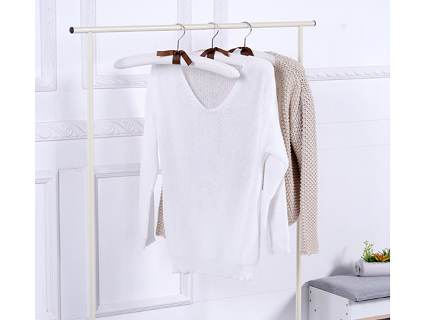
How To Recycle Aluminium Clothes Hanger the Right Way with Mao's
I always recommend starting with a simple principle: keep aluminium separate, clean, and traceable. In recycling operations, the biggest losses come from mixed waste, residual coatings, and incorrect metal classification. A properly handled aluminium cloth hanger can be recovered efficiently because aluminium is a high-value non-ferrous material with strong recyclability.
For businesses, the real-world effect is immediate:
- Lower landfill volume
- Better scrap value recovery
- Cleaner waste audits
- Improved ESG and sustainability reporting
- Reduced manual rework in sorting lines
When we manage How To Recycle Aluminium Clothes Hanger correctly, the process becomes a controlled workflow rather than a waste problem.
Step 1: Identify the hanger material accurately
Before recycling, verify that the hanger is truly aluminium, not steel, plated wire, or composite material. This matters because aluminium and iron-based metals follow different separation routes in the recycling chain.
Use these checks:
- Magnet test: aluminium is non-magnetic.
- Surface inspection: look for anodized coating, paint, or plastic sleeves.
- Weight check: aluminium hangers are typically lighter than steel alternatives.
- Supplier confirmation: request material specification sheets from the source, especially for bulk procurement.
At Mao's, we recommend material confirmation at the source to avoid cross-contamination and improve recovery efficiency.
Step 2: Remove non-metal attachments
For How To Recycle Aluminium Clothes Hanger, the hangers should be stripped of all non-metal parts before loading into the scrap stream.
Common attachments include:
- Plastic hooks or end caps
- Rubber grips
- Foam padding
- Paper labels or adhesive tags
This stage improves the purity of the aluminium fraction. In practice, a cleaner scrap stream can raise downstream acceptance rates and reduce processing disputes.
Step 3: Sort by alloy and condition
Not all aluminium is processed the same way. In industrial recycling, separation by alloy family and contamination level helps maintain melt quality.
We typically classify hangers as:
- Clean aluminium scrap
- Coated aluminium scrap
- Mixed aluminium waste
- Bent or damaged hanger stock for remelt
If you are managing a high-volume laundry or hospitality operation, this step is essential. A dedicated collection bin for each category keeps the workflow stable and prevents mixed-metal rejection.
Step 4: Compact and bundle for efficient transport
Loose hangers are difficult to handle, easy to tangle, and inefficient to ship. To improve logistics, compact the scrap into bundles or cartons that can be handled safely.
Recommended practices:
- Use steel strapping or recyclable bale tie systems
- Bundle by size and contamination level
- Label each package with material type and date
- Record gross weight and estimated scrap grade
This is especially important for businesses that need traceable recycling records. A documented flow supports internal audits and supplier compliance.
Step 5: Send to a certified metal recycler
Once sorted and prepared, send the aluminium scrap to a recycler that processes non-ferrous metals. This is where standards and traceability matter most.
A qualified recycler should provide:
- Incoming material inspection
- Weight verification
- Contamination reporting
- Bale or lot traceability
- Recycling certificate or disposal record
When possible, ask whether the recycler follows recognized testing or quality practices such as ASTM or DIN related standards for non-ferrous material evaluation and scrap classification. That level of process discipline is what separates a basic waste collector from a reliable recycling partner.
What Makes Aluminium Clothes Hanger Recycling Valuable for Businesses
In my experience, companies often underestimate the value in small metal waste streams. Yet when aluminium scrap is collected consistently, the impact becomes significant over time.
For example:
- A hotel chain can recover large volumes of discarded aluminium cloth hanger inventory from room turnover and housekeeping replacement cycles.
- A garment factory can reduce mixed waste by routing damaged hangers into a dedicated recovery bin.
- A dry-cleaning operation can improve waste segregation and reduce disposal costs.
The key is operational consistency. How To Recycle Aluminium Clothes Hanger is not a one-time action; it is a repeatable process that supports waste efficiency and better materials management.
Common Problems During Recycling and How We Solve Them
Even a simple recycling workflow can encounter challenges. The main issues usually appear during sorting, collection, or recycler handoff.
Problem 1: Mixed metal contamination
This happens when steel hangers, zinc-coated parts, or plastic components are mixed into the batch.
How to overcome it:
- Place clear signage at collection points
- Train staff on magnet testing
- Use color-coded bins
- Require 100% inspection before shipment for high-value scrap batches
Problem 2: Coating and residue buildup
Paint, adhesive, and textile fibers can reduce scrap purity.
How to overcome it:
- Pre-clean hangers before storage
- Remove tape and labels immediately
- Keep wet and dry waste streams separate
- Reject heavily contaminated units from the recycling batch
Problem 3: Low collection efficiency
Small quantities often get overlooked.
How to overcome it:
- Set a fixed daily or weekly collection cycle
- Centralize drop-off points
- Assign one staff member to monitor waste segregation
- Track volume in kilograms per department
Problem 4: Unclear recycler specifications
Not every recycler accepts the same quality level.
How to overcome it:
- Request acceptance criteria in writing
- Confirm alloy tolerance, contamination limits, and packaging requirements
- Ask for a 24-hour response window for operational questions
- Verify whether the recycler issues traceable documentation
Tools and Resources That Improve Execution Efficiency
To make How To Recycle Aluminium Clothes Hanger more efficient, I recommend using practical tools that reduce labor and increase consistency.
| Tool / Resource | Purpose | Benefit |
|---|---|---|
| Magnetic separator | Confirms non-ferrous classification | Reduces sorting errors |
| Digital weighing scale | Measures scrap output | Improves tracking and reporting |
| Color-coded bins | Separates waste streams | Prevents contamination |
| Strapping machine | Bundles loose hangers | Lowers transport loss |
| Inspection checklist | Standardizes QA | Supports 100% inspection |
| Recycler compliance sheet | Records material data | Improves traceability |
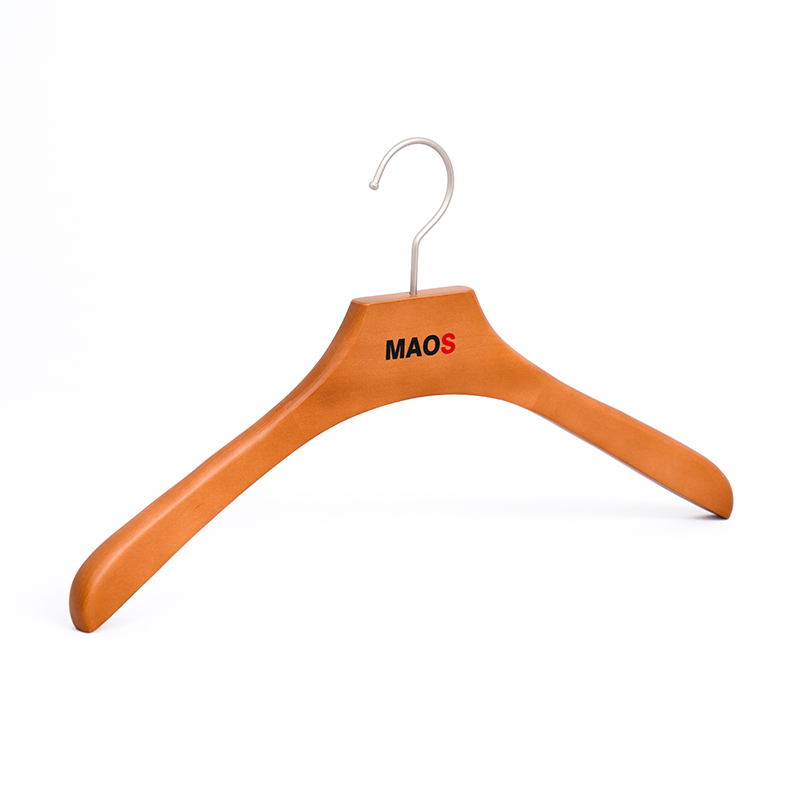
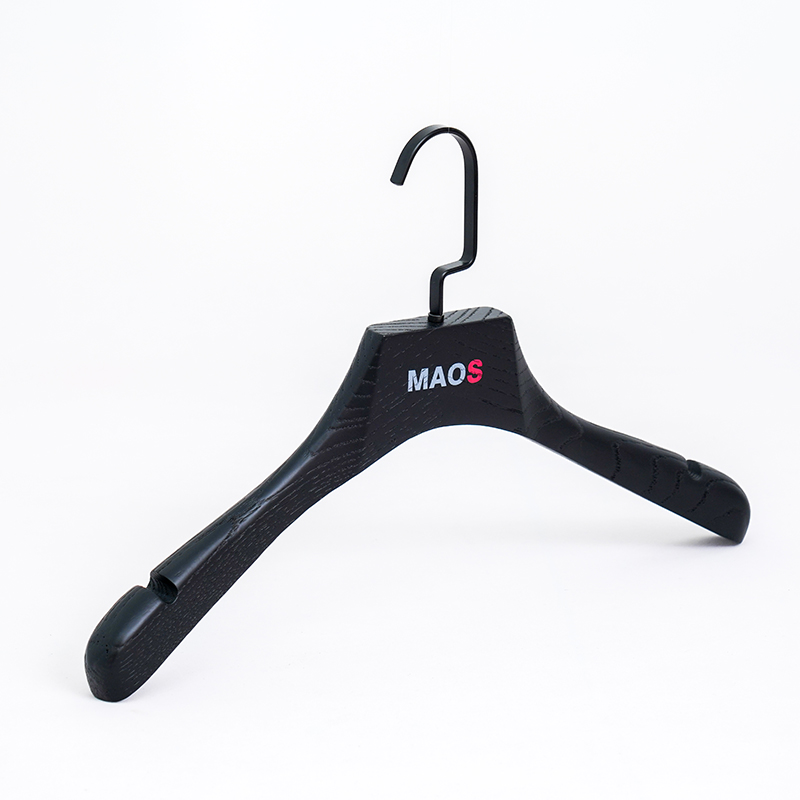
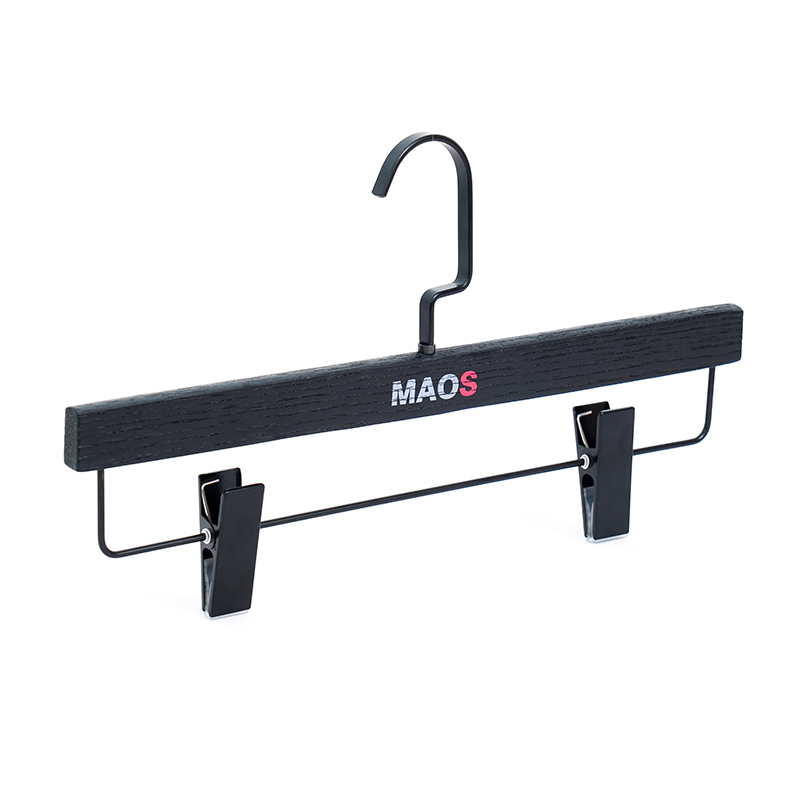
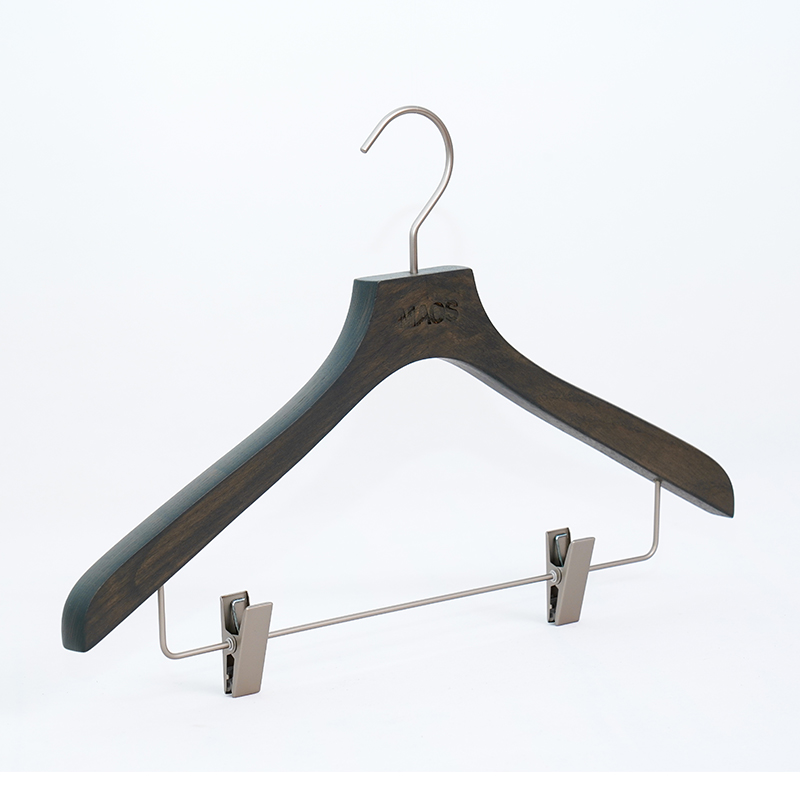
For visual reference and product context, you can also review the source image here:
//www.maoshangers.com/storage/watermark/f_imgs/20260413/40b85c29994ddfa8306a209cd0328b31.jpg
Why Mao's Is a Practical Choice for Recycling-Oriented Supply Chains
When procurement and recycling are connected, material selection becomes a sustainability decision. Mao's supports this workflow by helping businesses think beyond product use and into end-of-life handling.
From a supply chain perspective, the best hanger solutions are the ones that support:
- Material recovery
- Stable quality control
- Reduced waste complications
- Easier downstream recycling
That is why How To Recycle Aluminium Clothes Hanger should be considered during purchasing, not only after disposal. Choosing recyclable hanger materials at the start reduces waste management complexity later.
Quality Control and Verification You Should Not Skip
If you want a process that is credible and repeatable, quality control must be built into every stage.
We recommend:
- Incoming material identification
- Visual inspection for coatings and attachments
- Weight confirmation by batch
- Final segregation check
- Documentation before recycler handoff
For industrial users, this mirrors the discipline used in manufacturing QA. Precision matters. In controlled operations, measurements may be tracked to 0.01 mm for dimensional consistency in production contexts, while recycling workflows focus on purity, contamination rate, and batch accuracy. Both depend on disciplined inspection.
Key Takeaways for Immediate Action
If you want to apply How To Recycle Aluminium Clothes Hanger effectively, start with these five actions:
- Confirm the hanger is aluminium using a magnet test
- Remove all plastic, rubber, and adhesive parts
- Sort by cleanliness and condition
- Bundle and label each batch clearly
- Send only verified material to a certified recycler
When we follow this process, How To Recycle Aluminium Clothes Hanger becomes a structured recycling system that improves recovery, lowers waste costs, and supports sustainability targets.
Final Recommendation from Mao's
I recommend starting small, then scaling the workflow across each department or facility. Set up a dedicated collection point, train staff on sorting rules, and partner with a recycler that can provide documented acceptance and traceability. If you manage bulk aluminium cloth hanger usage, this approach will help you reduce waste friction and turn a disposal issue into a measurable resource recovery channel.
With Mao's, the most effective recycling strategy is always the one that is simple, auditable, and easy to maintain. If your goal is to implement How To Recycle Aluminium Clothes Hanger without disrupting daily operations, begin with separation, maintain inspection discipline, and keep your recycling route clear and certified.