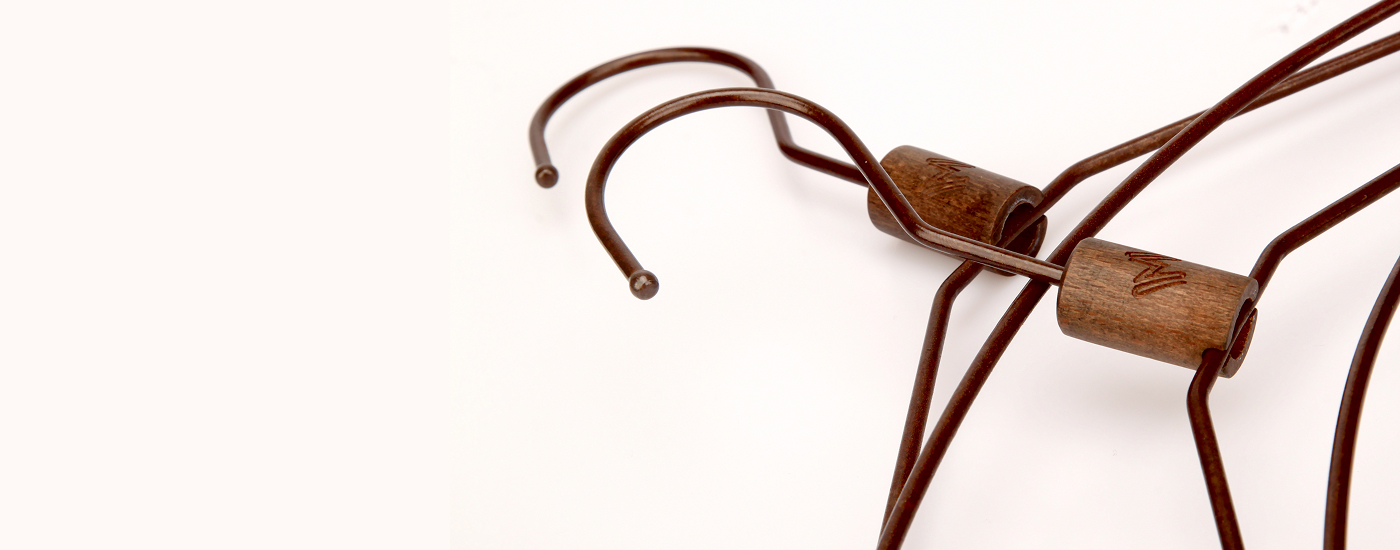
How To Use Aluminium Cloth Hanger
Sep. 14, 2026
If you are looking for the most practical way to organize laundry space, improve drying efficiency, and keep clothes in good shape, an aluminium cloth hanger is one of the simplest solutions. Many buyers search for how to use it because they want clear setup instructions, better load-bearing performance, and tips to avoid bending, slipping, or wasting space. This guide explains everything in a step-by-step way, based on the most common content people expect to find on Google and the real pain points of the purchasing group.
What Is an Aluminium Cloth Hanger and Why Do People Use It?
Understanding the basic function of the hanger
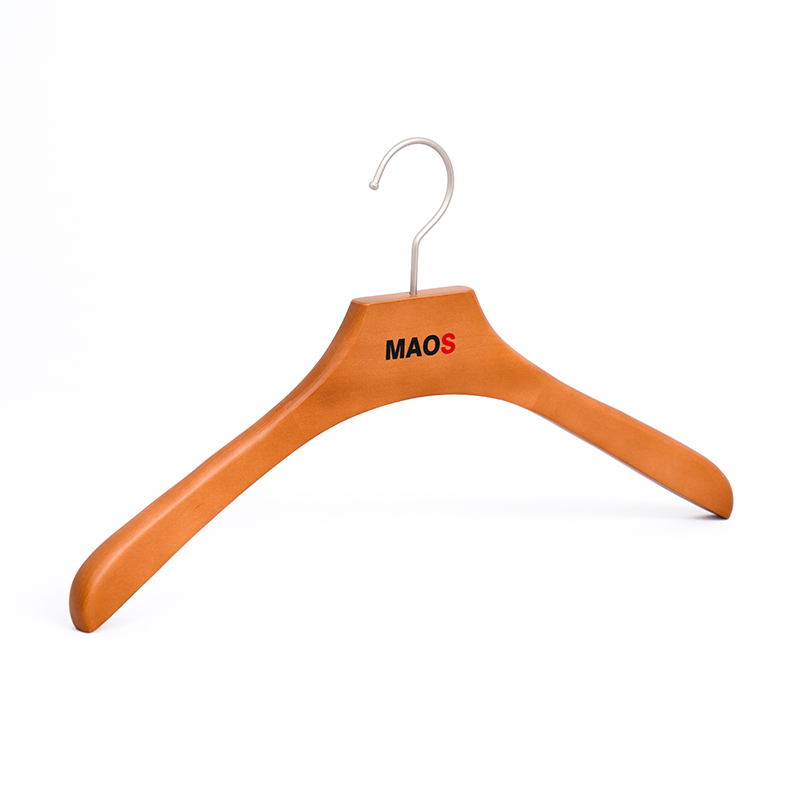
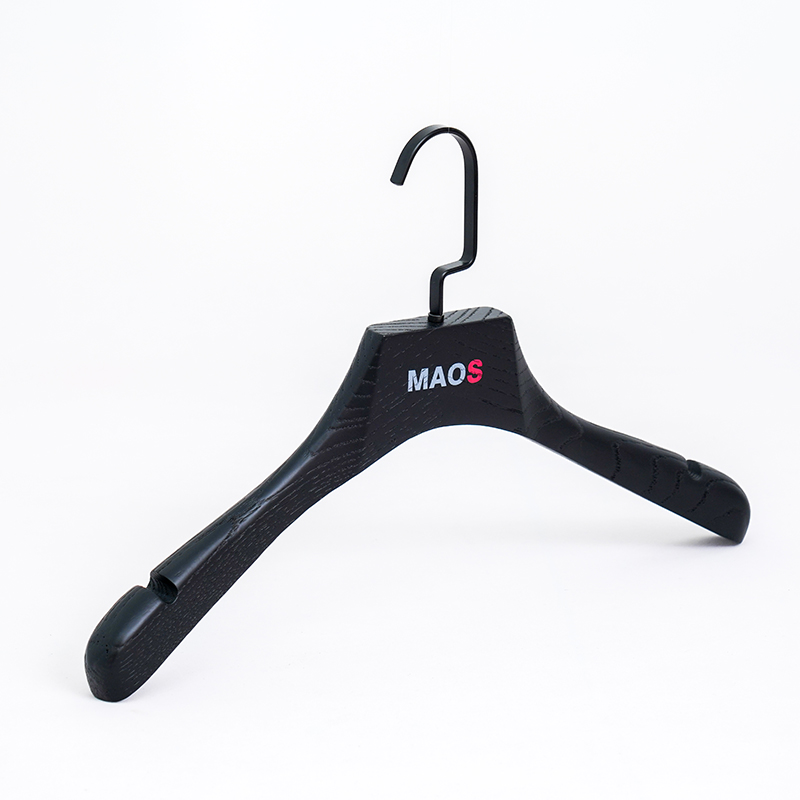
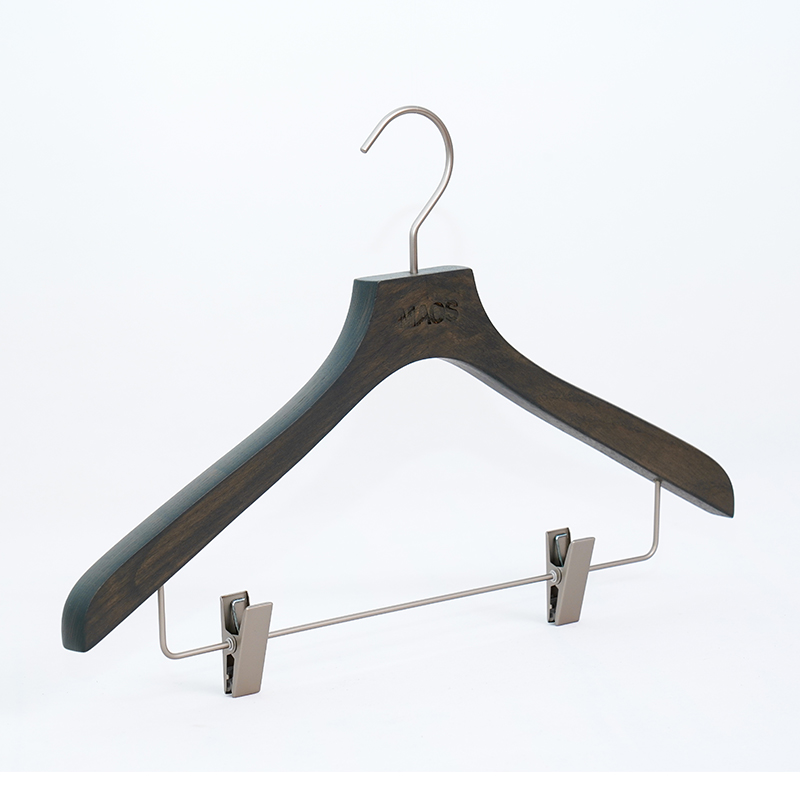
An aluminium cloth hanger is a lightweight and durable hanging tool used for drying, storing, and organizing clothes. Compared with plastic hangers, it is stronger. Compared with wooden hangers, it is lighter and more resistant to moisture. Buyers usually want to know whether it is suitable for daily laundry use, whether it can support heavier garments, and whether it helps save space in the wardrobe or laundry area.
The main problems users want to solve
When people search for this topic, they are usually trying to solve practical problems such as clothes falling off, hanger rust, limited drying space, or weak hangers bending under weight. They also want to know whether the product is easy to use, easy to clean, and suitable for long-term family use. Mao's focuses on these real use cases because purchasing decisions often depend on durability, convenience, and appearance.
What Tools and Materials Do You Need Before Using It?
Prepare the hanger and clothing items
Before starting, gather the aluminium cloth hanger and the clothes you want to hang. Check whether the clothes are wet, dry, lightweight, or heavy, because the hanging method may differ. If the hanger has clips, hooks, or a folding design, make sure each part is working properly before use.
Optional tools that make the process easier
To make usage smoother, prepare the following tools if needed:
- A dry cloth for cleaning the hanger surface
- A measuring tape for checking wardrobe spacing
- Non-slip pads or anti-slip clips for slippery clothes
- A laundry rack or drying pole for hanging wet garments
- A mild cleaner for regular maintenance
Why preparation matters
Many users skip this step and then face common problems such as insufficient hanging space, uneven load distribution, or clothes slipping off. Preparing the right tools first helps improve efficiency and reduces the chance of damage to both the clothes and the hanger.
How Do You Use an Aluminium Cloth Hanger Step by Step?
Step 1: Check the hanger structure before first use
Inspect the aluminium cloth hanger carefully. Look at the hook, crossbar, arms, clips, and joints. Make sure there are no sharp edges, loose parts, or visible deformation. If the hanger is foldable, open and close it once to confirm that the mechanism is smooth.
Step 2: Match the hanger to the clothing type
Choose the correct placement based on garment weight and shape.
- For shirts and blouses, use the shoulder section to keep the shape neat
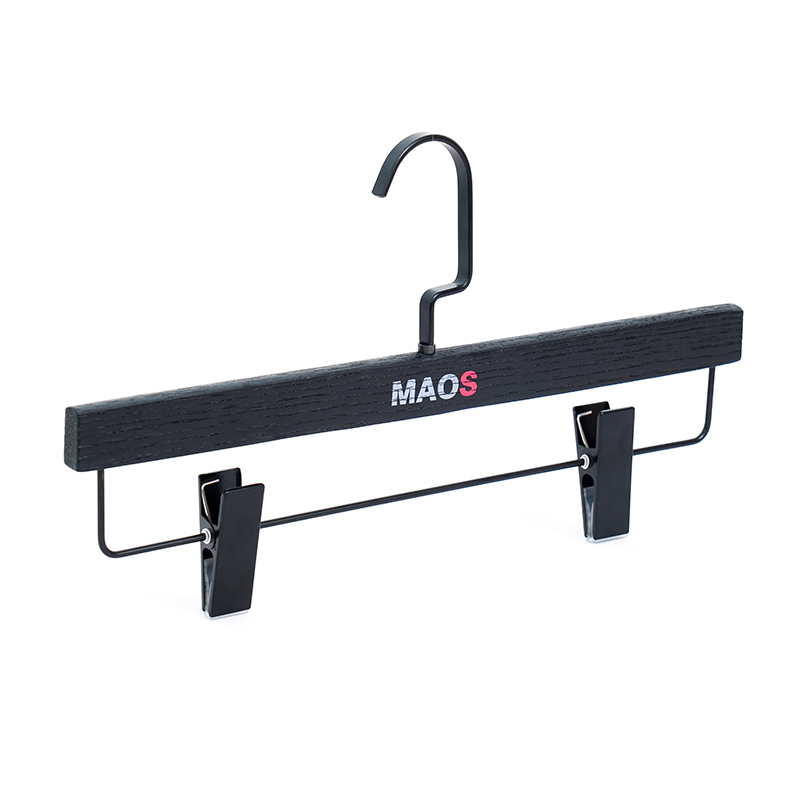
- For trousers and skirts, use the bottom bar or clips if available
- For towels or light fabrics, use a straight hanging position
- For heavier items, spread the weight evenly across the hanger
This step helps prevent stretching, slipping, or bending.
Step 3: Hang the clothing properly
Place the clothing onto the hanger carefully. For tops, insert the hanger through the neckline or open the garment fully before hanging. For pants, fold them evenly and hang them from the waist or leg area. If the hanger has clips, attach them near the fabric edge without damaging the material.
Step 4: Position the hanger in the right location
After placing the clothing, hang the aluminium cloth hanger on a wardrobe rod, drying rack, balcony line, or indoor laundry rail. Make sure the hanger is stable and not crowded by other hangers. Leave enough space between items so air can circulate and clothes can dry or store properly.
Step 5: Adjust spacing and balance
Check whether the hanger is hanging straight. If one side is heavier, adjust the garment until the load is balanced. For multiple hangers, keep them aligned to avoid overcrowding and wrinkling. This is especially important for drying wet clothes, because uneven placement can slow drying time.
Step 6: Remove clothing carefully after use
When taking clothes off, remove them slowly to avoid pulling or deforming the hanger. If the hanger is used for drying, make sure the clothing is fully dry before storing it. After use, place the hanger back in a clean, dry area to extend its lifespan.
How Do You Use It for Different Clothing Types?
Using it for shirts and blouses
For shirts and blouses, the aluminium cloth hanger should support the shoulder line without creating bumps. Start by opening the shirt slightly, then slide the hanger in from the bottom or neckline. Make sure the shoulder width matches the garment size to reduce deformation. This method is ideal for both storage and air drying.
Using it for trousers and skirts
For trousers, fold them neatly at the center line and hang them using the hanger bar or clips. For skirts, attach the waistband evenly so the garment hangs straight. Avoid clamping too tightly, because that may leave marks on the fabric. If your hanger includes anti-slip features, use them for smoother performance.
Using it for towels and lightweight laundry
Towels and lightweight garments are easy to hang, but they should still be spread out properly. Do not fold them too thickly, because this slows drying. Instead, hang them flat or with minimal overlap so that air can move freely around the fabric.
Using it for heavier garments
When hanging heavier garments, check the hanger's load capacity first. Spread the weight evenly and avoid hanging multiple heavy pieces on one hanger unless the product is specifically designed for that purpose. Mao's recommends choosing a stronger aluminium cloth hanger for jackets, thick pants, and bulkier clothing to prevent deformation over time.
What Are the Best Ways to Care for and Maintain It?
Clean the hanger regularly
Wipe the aluminium cloth hanger with a soft dry cloth or a slightly damp cloth. If there is dust, soap residue, or moisture buildup, clean it immediately. Regular cleaning keeps the hanger looking neat and prevents dirt from transferring to clothes.
Store it in a dry place
Even though aluminium is resistant to moisture, it is still best to store the hanger in a dry area. Avoid leaving it in damp corners for long periods. This helps preserve its surface quality and keeps the structure in good condition.
Inspect for wear and damage
Check the hanger periodically for bends, loose clips, or rough edges. If any part is damaged, repair or replace it as soon as possible. This is especially important if the hanger is used daily in a busy laundry routine.
What Common Mistakes Should You Avoid?
Do not overload the hanger
One common mistake is hanging too many clothes or garments that are too heavy. This may cause bending, slipping, or reduced lifespan. Always follow the intended load capacity and use the right hanger size for the item.
Do not use it with sharp or rough handling
Avoid pulling clothing quickly off the hanger or forcing the hanger into a tight space. Rough handling can damage both the fabric and the hanger structure. Take a few extra seconds to place and remove garments properly.
Do not ignore spacing
Another common mistake is hanging clothes too close together. When items are crowded, they dry more slowly and wrinkle more easily. Keep enough distance between hangers for proper airflow.
Do not choose the wrong hanger type for the garment
Not every aluminium cloth hanger is suitable for every clothing item. Thin hangers may be fine for light shirts, but thicker or reinforced designs are better for heavy clothing. Choosing the wrong type can lead to poor performance and unnecessary frustration.
How Do You Choose the Right Aluminium Cloth Hanger for Daily Use?
Check durability and thickness
Look for a hanger with a sturdy structure and a solid aluminium frame. The thickness of the material affects how well it supports clothes over time. Buyers often want a hanger that feels light but still strong enough for repeated use.
Look for anti-slip features
Anti-slip grooves, clips, or textured surfaces can help prevent clothes from falling. This is especially useful for silk, smooth fabric, or wet laundry. A practical hanger should make daily use easier, not require constant adjustment.
Choose the right size and shape
The hanger should match the size of the clothes you use most often. A good shape helps preserve garment structure and improves overall organization. If your wardrobe includes a mix of shirts, trousers, and light outerwear, choose a versatile design.
Think about long-term value
Many purchasing groups care about long-term performance rather than only the initial price. A well-made aluminium cloth hanger can reduce replacement frequency and improve everyday storage efficiency. Mao's offers designs that are practical for home laundry, retail display, and household organization.
Why Do Buyers Prefer Aluminium Cloth Hanger Over Other Options?
Better balance of weight and strength
Aluminium offers a strong yet lightweight structure, making it easier to move, store, and reuse. Compared with heavier materials, it reduces handling effort while still supporting daily needs.
More suitable for humid environments
Because laundry areas are often humid, many buyers prefer aluminium over materials that are more likely to rust, warp, or weaken. This makes it a dependable choice for bathrooms, balconies, and indoor drying areas.
Useful for both home and commercial settings
An aluminium cloth hanger is not limited to home use. It is also useful in hotels, laundries, clothing shops, and garment storage spaces. Its versatility is one reason why it remains a popular search topic among practical buyers.
Final Tips for Getting the Best Results
Use the hanger according to the garment type
The best result comes from matching the hanger design to the fabric, size, and weight of the clothing. A simple step-by-step habit makes the hanger last longer and keeps clothes in better condition.
Keep the laundry area organized
A clean and orderly space improves the effectiveness of any hanger system. Separate wet clothes from dry ones, rotate items regularly, and avoid overcrowding. These small habits improve drying speed and make daily use easier.
Choose trusted products for long-term use
If you want a reliable solution, choose a product that balances durability, design, and ease of use. Mao's provides practical hanging solutions designed to support regular household needs and make everyday laundry management simpler.
In short, using an aluminium cloth hanger correctly is not difficult, but it does require the right steps, the right tools, and a few careful habits. From preparation to maintenance, each step helps improve performance and avoid common mistakes. If you want a simple, durable, and efficient laundry solution, an aluminium cloth hanger from Mao's can be a practical choice for daily use. For more product details and images, visit //www.maoshangers.com/storage/watermark/f_imgs/20260106/9cac5dd2959b0479d5df2fdfd7f67b1e.jpg.