How To Use Aluminium Hanger For Dresses
Aug. 06, 2026
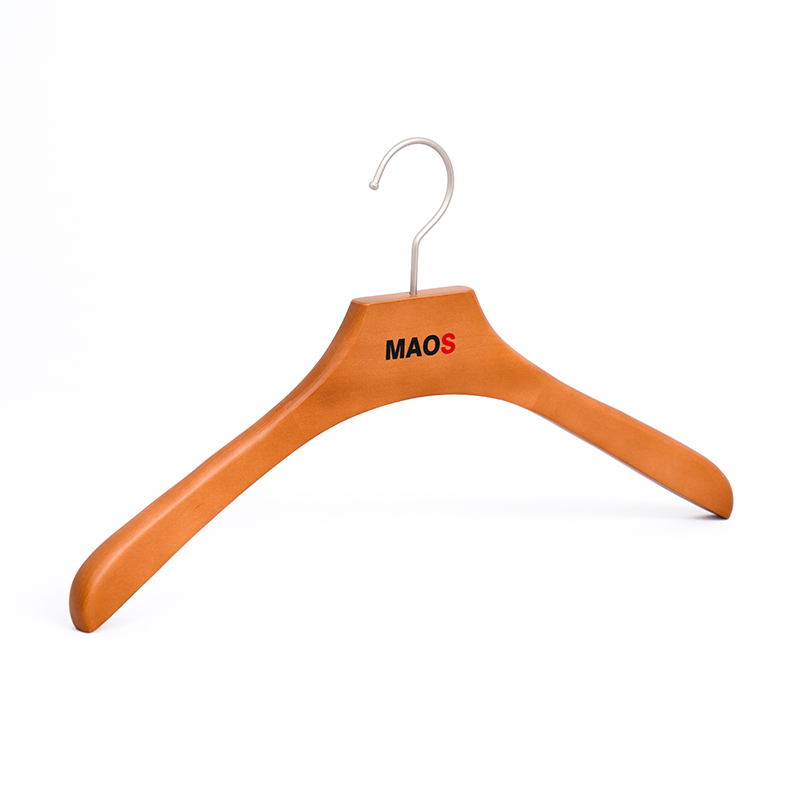
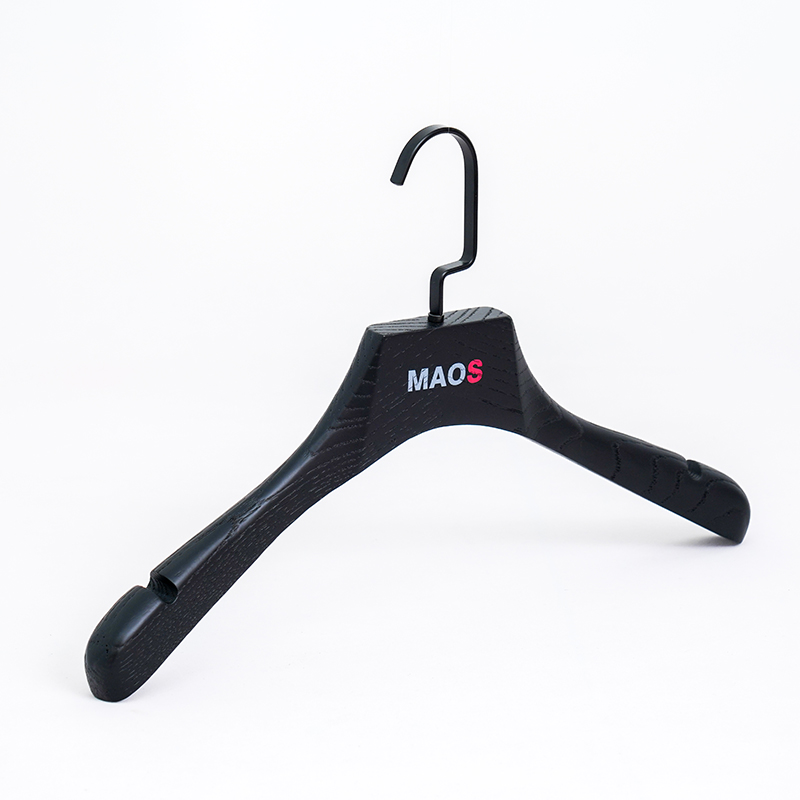
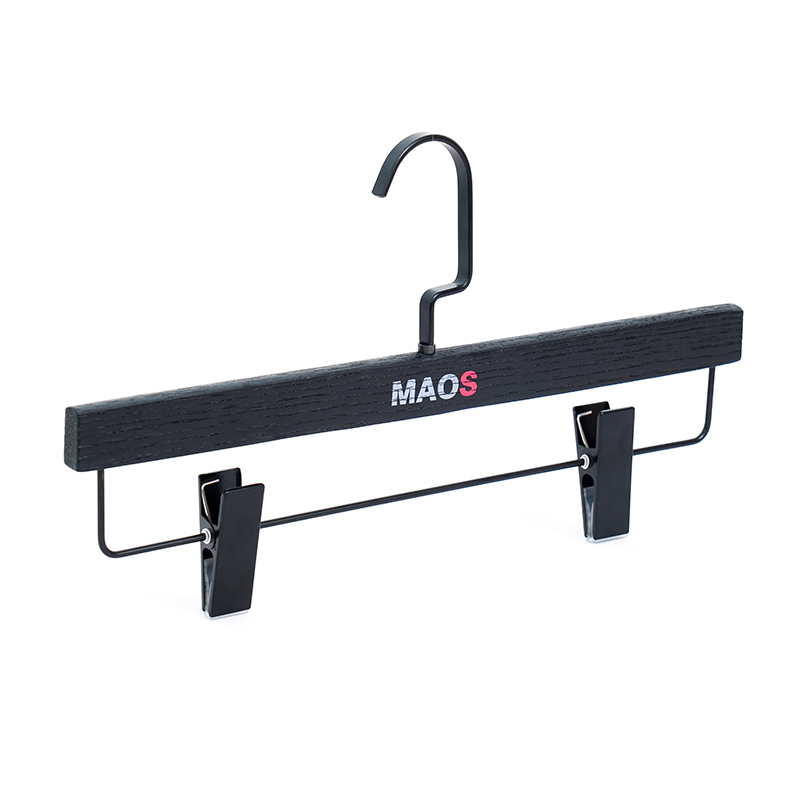
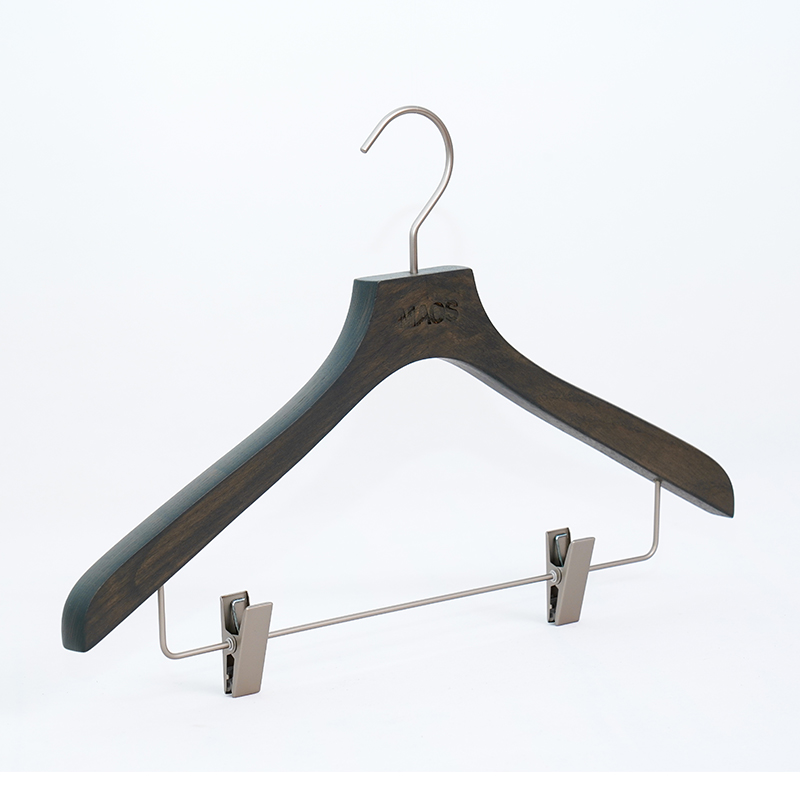
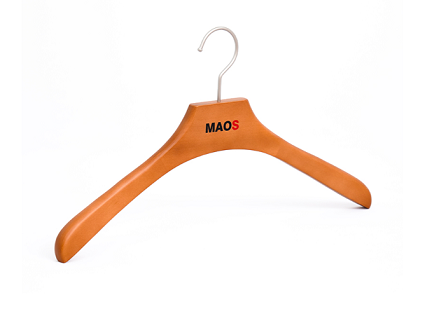
If you are looking for a practical way to hang dresses neatly, protect fabric shape, and keep wardrobes organized, the aluminium cloth hanger is one of the most reliable options. Many shoppers searching this topic want clear, usable instructions, not just product promotion. They want to know how to choose the right hanger, how to hang different dress styles, how to avoid shoulder marks, and how to make dresses last longer in storage. Mao's recommends using the right hanger structure for each garment, because the wrong choice can distort fabric and create unnecessary wear. For more product reference, visit this product image.
What Users Want to Learn Before Using an Aluminium Hanger For Dresses
They want simple instructions they can follow immediately
Most users are not searching for theory. They want a practical method that shows exactly how to use an aluminium hanger for dresses from start to finish. The most useful content explains where to place the dress, how to position straps or shoulders, and how to check whether the dress is hanging correctly. Clear steps reduce trial and error and help shoppers avoid damaging delicate clothing.
They want to know if the hanger is suitable for their dress type
Different dresses have different needs. A lightweight summer dress, a silk slip dress, a long evening gown, and a heavy knit dress all behave differently on a hanger. Users want to know whether an aluminium cloth hanger is appropriate for each fabric and silhouette. They also want to understand when a hanger with a wider shoulder design or non-slip feature is better than a standard slim hanger.
They want storage solutions that prevent wrinkles and deformation
The biggest pain point for buyers is keeping dresses in saleable or wearable condition. Wrinkles, stretched necklines, shoulder bumps, and fabric slippage are common frustrations. Content that explains how an aluminium hanger helps maintain shape and improve storage efficiency directly answers the buyer's concern. This is especially important for retailers, boutiques, and households with limited closet space.
They want to avoid common hanging mistakes
Users often search because they have already had problems. Their dress slipped off the hanger, the shoulder marks became visible, or the hanger was too thin for the garment weight. Practical warning sections are highly valuable because they help users solve the issue they came to Google for. A strong article should show which mistakes lead to damage and how to prevent them in advance.
They want to compare durability and convenience
Purchasing groups care about value. They want a hanger that is durable, rust-resistant, easy to use, and suitable for repeated daily use. Aluminium hanger options are often searched because buyers expect them to be lightweight but strong. Content that compares convenience, load-bearing ability, and long-term use helps users make a confident purchase decision.
Choose the Right Aluminium Hanger For Dresses Before Hanging
Check the dress fabric and weight first
Before you hang any dress, identify the fabric and overall weight. Lightweight fabrics need gentle support, while heavier dresses need stronger shoulder structure. An aluminium cloth hanger works well for many garments, but the way you use it should match the dress type.
- Lightweight fabrics: chiffon, satin, rayon, silk blends
- Medium-weight fabrics: cotton, linen, jersey, polyester blends
- Heavier fabrics: knit dresses, structured day dresses, layered garments
If the dress is very delicate, make sure the hanger surface is smooth and does not have sharp edges that could snag fabric.
Choose the correct hanger shape for the neckline
The hanger shape should support the neckline without stretching it. Dresses with thin straps need more stable support at the top, while wide-neck dresses need broader shoulder coverage. The goal is to distribute weight evenly and keep the garment balanced.
- Thin straps: use hanger hooks or strap-friendly designs
- Wide necklines: use broader shoulder support
- Off-shoulder styles: avoid narrow hangers that create folds
Confirm the hanger surface is smooth and clean
Even a strong hanger can damage a dress if the surface is rough, dusty, or dirty. Before use, inspect the hanger and wipe it clean. Mao's focuses on practical hanger designs that support everyday use while helping reduce unnecessary garment wear. A clean, smooth hanger surface is especially important for light-colored or sensitive fabrics.
Gather the Required Tools and Materials First
Prepare the dress and hanger setup
To use an aluminium hanger for dresses properly, you only need a few basic tools. Having them ready makes the process easier and helps prevent mistakes.
- Aluminium cloth hanger
- The dress to be hung
- Clean dry hands or cotton gloves for delicate fabrics
- Lint roller or soft cloth
- Wardrobe or hanging rail
- Optional: clip hangers, padding, or anti-slip accessories
Optional items for special dresses
Certain dresses need extra care. If you are handling premium or delicate garments, these extras can help improve hanging results.
- Shoulder pads or hanger covers
- Clips for skirts or two-piece dresses
- Protective garment bag for long-term storage
- Measuring tape to check hanger width if needed
Step 1: Inspect the Dress Before Hanging
Look for stains, moisture, and wrinkles
Before hanging the dress, check whether it is clean and fully dry. Hanging a damp dress can lead to odor, fabric stress, and mold in enclosed storage spaces. If the dress has wrinkles, smooth them out first so the hanger can hold the garment in its natural shape.
Check seams, straps, and fastening points
Look at the shoulder seams, neck opening, and strap stitching. These are the areas that bear most of the weight when the dress is on a hanger. If any seam is weak, do not force the dress onto the hanger without support. Reinforcing the hanging method early prevents later damage.
Step 2: Position the Aluminium Hanger Correctly
Hold the hanger in a stable orientation
Place the hanger so the hook is facing the correct direction and the shoulders sit level. A crooked hanger can twist the dress and create uneven tension. Make sure the hanger is aligned before placing the garment on it.
Center the hanger in the dress opening
For dresses with a wide neck opening, slide the hanger in carefully so the center point of the hanger aligns with the center of the neckline. This creates balance and helps the fabric hang naturally. For dresses with narrow neck openings, do not stretch the opening too much while inserting the hanger.
Step 3: Place the Dress on the Hanger Step by Step
First step: open the dress neckline gently
Use both hands to open the neckline just enough to insert the hanger. Do not pull aggressively, especially on knitted, silk, or embroidered garments. The goal is smooth insertion, not force.
Second step: slide the hanger through the garment opening
Insert the hanger slowly and evenly. If the dress has a back zipper or button closure, make sure it is fully closed before hanging. This keeps the garment stable and prevents distortion along the front panel.
Third step: settle the shoulders evenly
Let each shoulder of the dress sit naturally on the hanger. Check that one side is not pulled lower than the other. If the hanger is too narrow, the dress may bunch up; if it is too wide, the shoulder line may stretch. A good fit should follow the natural shoulder contour.
Fourth step: adjust straps or sleeve placement
If the dress has straps, place them in a way that prevents slipping. If it has sleeves, make sure the sleeves hang freely without becoming trapped behind the hanger arm. Even distribution helps preserve the original silhouette.
Step 4: Check the Balance and Shape After Hanging
Make sure the hem falls evenly
Once the dress is on the hanger, look at the hemline. It should hang straight or in the natural drape intended by the design. If one side looks uneven, reposition the hanger or smooth the fabric again.
Confirm there are no shoulder dents or sharp folds
Shoulder dents are a common problem when using the wrong hanger type. If the hanger creates pressure points, switch to a better fit or add a protective layer. The hanger should support the dress without leaving visible marks.
Move the dress slightly and test stability
Gently move the hanger by the hook and check whether the dress stays in place. If the garment slips, it needs a better grip or a different hanging method. Stability matters, especially in closets that are opened and closed frequently.
How to Use an Aluminium Hanger For Dresses by Dress Type
For sleeveless dresses
Sleeveless dresses are usually easy to hang, but thin straps can slide. Place the straps evenly on the hanger and make sure they are not twisted. If the dress is slippery, use anti-slip accessories or a hanger with better grip.
- Check both straps are balanced
- Avoid letting one strap carry more weight
- Use clips only if they will not damage fabric
For long dresses and gowns
Long dresses need enough hanging height so the hem does not touch the floor or get folded. Use a wardrobe with sufficient space and hang the dress straight. If the dress is heavy, check that the hanger can support the full weight without bending.
- Allow enough vertical clearance
- Keep the skirt section free from crowding
- Prevent the hem from creasing under nearby garments
For delicate or premium fabrics
Silk, satin, lace, and embellished dresses require careful handling. Use a smooth aluminium cloth hanger with no sharp edges. If possible, place a protective layer between the fabric and the hanger contact points. This helps reduce snagging and pressure marks.
For heavier everyday dresses
Heavier cotton or knit dresses can be stored on aluminium hangers, but the hanger must have enough strength and proper shoulder support. Avoid hanging a very heavy dress for long periods on a thin hanger that can bend under pressure.
Best Storage Habits for Long-Term Dress Care
Keep the wardrobe dry and well ventilated
Moisture is one of the biggest threats to clothing storage. Even a good hanger cannot protect a dress in a humid environment. Keep the wardrobe dry, and if necessary use dehumidifying products or ventilation to protect fabric quality.
Do not overcrowd the hanging space
When clothes are packed too tightly, dresses become compressed, wrinkled, and harder to remove without snagging. Leave enough space between garments so each dress hangs freely. This improves airflow and helps maintain shape.
Rotate seasonal dresses regularly
If a dress will remain stored for months, inspect it periodically. Rehang it if the shoulders settle unevenly or if the fabric begins to crease in one place. Regular checks help preserve the garment over time.
Common Mistakes to Avoid When Using an Aluminium Hanger For Dresses
Do not hang a damp dress
Putting away a damp dress can trap moisture and cause odor or fabric damage. Always dry the dress completely before hanging it for storage.
Do not use a hanger that is too narrow
A narrow hanger concentrates stress on a small area and can create shoulder bumps or fabric stretching. Make sure the hanger width is suitable for the dress size and shoulder line.
Do not force delicate necklines over the hanger
Forcing a dress over the hanger can enlarge the neckline or tear the fabric. Insert the hanger slowly and use both hands to guide the opening.
Do not ignore sharp edges or rough surfaces
Any rough metal edge can snag fabric. Inspect the hanger regularly and replace damaged items before they harm garments.
Do not overload one hanger with multiple garments
Stacking too many dresses on one hanger causes slippage, wrinkles, and deformation. Each garment should have proper support.
Why Buyers Prefer Aluminium Hangers for Dress Storage
Lightweight but strong enough for daily use
Many buyers want a hanger that is easy to handle but still durable. Aluminium hangers are popular because they offer a practical balance between weight and strength. This makes them suitable for home closets, retail display, and bulk storage use.
Space-saving and neat-looking
Users often search for storage items that make closets look organized. Aluminium hangers support a clean visual layout and help maximize hanging space. This is especially useful in compact wardrobes.
Better long-term value for bulk buyers
Purchasing groups and retailers care about repeat use, consistent quality, and low replacement needs. A well-made aluminium cloth hanger is often chosen for its long service life and simple daily maintenance. That is why buyers looking for practical closet tools often compare Mao's products with other options.
Quick Step-by-Step Summary for Everyday Use
Follow this short routine every time
- Inspect the dress for dryness, cleanliness, and weak seams.
- Check the aluminium hanger for smoothness and proper shape.
- Open the neckline gently with both hands.
- Slide the dress onto the hanger slowly.
- Balance the shoulders and straps evenly.
- Check the hemline and overall fit.
- Store the dress in a dry, uncrowded wardrobe.
Final Advice for Better Dress Care
Use the right hanger technique, not just the right hanger
Even the best hanger can underperform if used incorrectly. The key is to match the dress type, fabric, and storage conditions with the right hanging method. Small adjustments such as balancing the shoulders, avoiding moisture, and leaving enough space can make a major difference in garment care.
Choose reliable quality for repeated use
If you are buying for home, retail, or wholesale use, focus on durability, surface smoothness, and everyday practicality. Mao's provides solutions designed for users who need consistent performance and neat garment presentation. A good hanger is not just a storage tool; it is part of protecting the value of every dress.
In the end, using an aluminium cloth hanger correctly helps you keep dresses in better condition, reduce wrinkles, and improve storage efficiency. Whether you are organizing a personal wardrobe or preparing garments for retail display, the right hanging method matters. For more details and product reference, see Mao's and the product image here: https://www.maoshangers.com/storage/watermark/f_imgs/20260413/0875e3b99e72a1a29e424e2717b7615a.jpg.