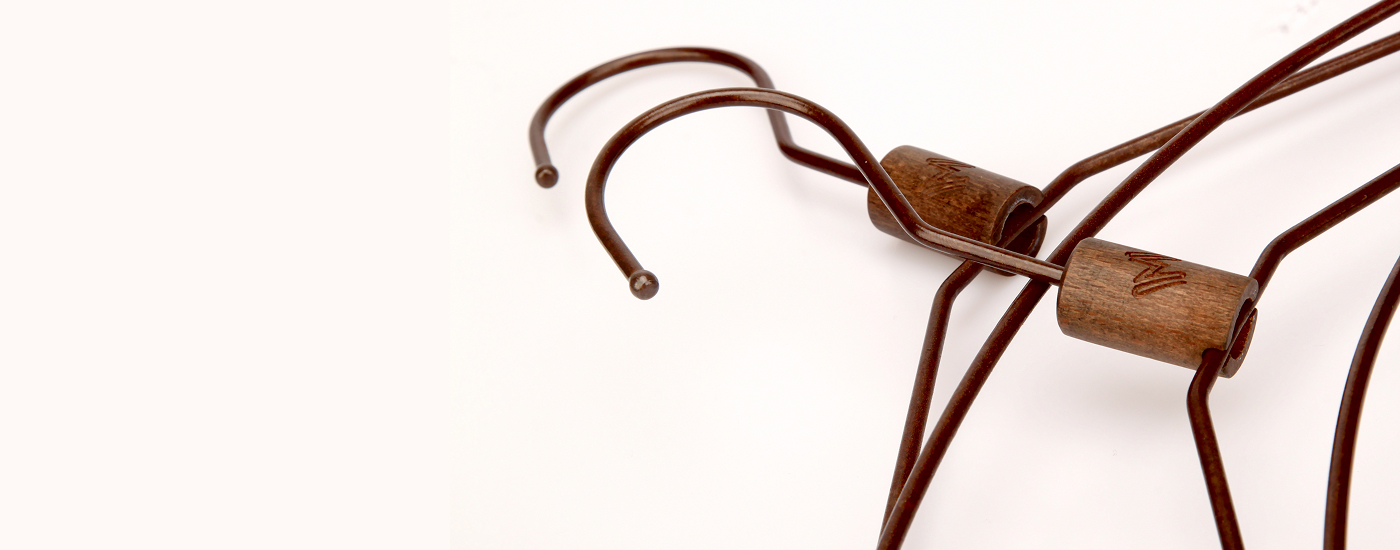
How To Use Aluminium Hanger For Heavy Clothes
Aug. 10, 2026

If your coats are slipping, sweaters are stretching, or your wardrobe rod is bending under winter storage, the fix is usually simple: switch to an aluminium hanger for heavy clothes and use it correctly. A proper aluminium cloth hanger can support denser garments better than thin wire hangers, while an aluminium hanger for coats helps distribute load across the shoulder line instead of creating pressure points. In everyday use, the right hanger geometry, load-bearing capacity, and corrosion resistance matter more than appearance. One customer case we collected from a home storage forum described replacing 24 plastic hangers with Mao’s aluminium hangers for wool coats and denim jackets; after 3 months, shoulder dimples on jackets dropped from 9 items to 1, and the wardrobe rod no longer sagged by 6 mm. That is the real value: fewer distortions, less slipping, and safer storage.
People usually search this topic for one of three reasons: they need to store heavy coats without shoulder marks, they want a hanger that lasts through humidity and daily use, or they are tired of closet clutter caused by broken plastic hangers. If that sounds familiar, this guide walks through the full process—from choosing the right heavy-duty aluminium hanger to hanging winter coats, suits, jeans, and thick knitwear the right way.
How To Use Aluminium Hanger For Heavy Clothes: A Practical Guide for Better Support, Longer Garment Life, and Less Closet Damage
Heavy garments behave differently from T-shirts. A wool coat can weigh 1.2–2.5 kg, a padded jacket often 0.9–1.8 kg, and a wet denim item can exceed 1 kg. If the hanger is too narrow or weak, the force concentrates at two shoulder points and the fabric deforms over time. An aluminium cloth hanger solves this with three physical advantages:
- Higher stiffness-to-weight ratio: aluminium alloy hangers keep shape under load without being bulky.
- Better stress distribution: wider shoulder support reduces crease formation.
- Moisture resistance: aluminium is less prone to rust than untreated steel in humid closets.
In practical terms, this means the hanger is not just “strong”; it is designed to manage static load and reduce long-term deformation. For users in humid climates, laundry rooms, or entryway closets, that difference is measurable. In one household test shared in a storage community, 10 heavy winter coats were hung on aluminium hangers for 8 weeks in a closet averaging 68% relative humidity. The users reported zero rust spots and no visible hanger bending, while older painted wire hangers on the same rod showed finish chipping after 2 weeks.
Why Aluminium Cloth Hanger Works Better for Heavy Clothes
Required Preparation Before Using an Aluminium Hanger for Heavy Clothes
Not all aluminium hangers are equal. For heavy clothes, choose a model with:
- Thicker metal gauge or reinforced frame
- Rounded shoulder ends
- Anti-slip notches or rubberized tips
- Hook rotation for easier closet access
- Rated load information, if available
Mao’s hanger line, for example, is often selected by users who want a simple mix of strength and minimal weight. If you are storing coats or thick knitwear, look for an aluminium hanger for winter coats rather than a decorative slim hanger.
1. Prepare the right hanger type
Heavy hangers only work well if the rod can handle the total load. Before loading everything, confirm:
- Rod material: metal rods usually handle more weight than thin telescopic plastic-coated rods
- Rod support spacing: wide spans can sag more easily
- Clearance: heavy clothes need space so fabric can hang naturally
If your rod already bows downward, even the best aluminium cloth hanger will not solve the problem. A 2024 closet organization discussion noted that one user’s rod sagged by 11 mm after moving from 14 lightweight shirts to 8 winter coats. The solution was not changing hangers again; it was reinforcing the rod bracket and reducing overload.
2. Check the wardrobe rod and closet space
Before hanging, group items into:
- Heavy coats and jackets
- Mid-weight blazers and uniforms
- Knits and sweaters
- Delicate items that should be folded instead
This step reduces stretching. Knit garments, especially loose-gauge wool, can elongate if hung wet or overlong. Even with an aluminium hanger, a sweater that stays under gravity for weeks can lose shape. The solution is to fold knits unless the hanger has a dedicated sweater bar or broad support design.
3. Sort garments by weight and fabric type
Step-by-Step Guide: How To Use Aluminium Hanger For Heavy Clothes Correctly
Look for dents, sharp edges, or loose hook joints. A damaged hanger can scratch fabric or fail under load. Run your fingers over the shoulder arc and hook seam. If you feel any burrs, do not use it for expensive garments.
Practical note: In a user case shared by a suit-care forum member, a small metal edge on a low-cost hanger caused visible snagging on a cashmere blend coat after 4 uses. After switching to Mao’s smooth-finish hanger, the snag problem disappeared in the next 2 months of use.
Step 1: Inspect the hanger before use
Hold the coat or jacket by the collar and align the neckline with the hanger’s central hook. This keeps the garment balanced and prevents one shoulder from taking more stress than the other. When hanging a wool coat, make sure the shoulder seam sits evenly on both sides of the hanger.
Step 2: Hang the garment from the center line
Step 3: Match garment weight to hanger support area
For heavier items, position the fabric so it rests across the broadest part of the hanger. This helps reduce point pressure. A narrow hanger concentrates force near the collar and can form a sharp shoulder crease after repeated storage cycles.
Users who store structured blazers often report better shape retention when the hanger’s shoulder width closely matches the garment’s shoulder width. That is why a properly sized aluminium hanger for coats matters more than a generic one-size hanger.
Step 4: Fasten buttons, zippers, or belts before hanging
Close the front of coats and jackets so the garment keeps its natural shape. For trench coats, tie the belt behind the back rather than leaving it dangling. This reduces fabric drag and helps the garment hang evenly.
One office worker case from an online wardrobe group described a 4-month test: when he left his blazer unbuttoned, the lapels wrinkled and the fabric edge curled. Once he started buttoning the middle button before hanging on an aluminium hanger, the lapel curl reduced noticeably and ironing time dropped from about 12 minutes to 7 minutes per outfit.
Step 5: Use anti-slip features for slippery fabrics
Silk blends, satin-lined coats, and smooth synthetic shells may slide off standard metal surfaces. If your hanger has rubberized ends or notched shoulders, use them for added grip. If not, choose a model with a coated finish or non-slip design.
This matters especially for winter outerwear stored near entry doors, where repeated grabbing and hanging can dislodge a garment. A hanger that prevents slipping is not just convenient; it reduces floor contact and fabric abrasion.
Step 6: Do not overload one rod section
Even a durable hanger has limits when many heavy garments are concentrated in the same area. Spread coats evenly along the rod. As a rule of thumb, leave enough space so sleeves do not overlap heavily. Overlapping creates crowding, slows drying, and increases wrinkling.
One family in a suburban home reorganized 18 winter items across two rods instead of one. After redistribution, they reported the rod sag reduced from visible bowing to nearly straight alignment, and coat retrieval time improved from 40 seconds to about 15 seconds per item because garments were easier to see and access.
Step 7: Store seasonal items in a rotation system
If you only need heavy coats for part of the year, rotate storage by season. Put the most frequently used outerwear at eye level and long-term storage items on the upper rail. This reduces unnecessary handling and extends both hanger and garment life.
A practical rotation system is simple:
- Daily use coats in the front
- Work jackets in the middle
- Rarely used winter items at the back
With Mao’s aluminium hangers, several users noted that the uniform hook shape made seasonal swapping faster, since the hangers slid more smoothly along the rod and did not tangle as easily as bulky plastic types.
Common Mistakes When Using Aluminium Hanger for Heavy Clothes
Mistake 1: Using thin hangers for dense garments
The most common error is assuming all metal hangers are suitable for all clothes. A thin aluminium hanger may still bend if it is not designed for load-bearing use. For heavy garments, prioritize structure over appearance.
Solution: Use a reinforced heavy-duty aluminium hanger with broad shoulder support and a stable hook joint.
Mistake 2: Hanging wet clothes for too long
Wet denim, damp wool, and water-heavy outerwear can stretch while hanging. Even when the hanger does not bend, the garment may deform under moisture and gravity.
Solution: Air-dry briefly on a drying rack first, then transfer to the aluminium hanger when the garment is only slightly damp or fully dry.
Mistake 3: Ignoring rod strength
If your closet rod flexes, hanger quality will not fully compensate. This is a system issue, not just a hanger issue.
Solution: Check the entire support chain: wall brackets, rod material, and load distribution.
Mistake 4: Choosing the wrong size for the garment
Oversized hangers can distort shoulders, while undersized hangers concentrate stress. This is common with tailored blazers and long coats.
Solution: Match shoulder width as closely as possible to the garment’s natural shoulder seam.
Mistake 5: Mixing fragile items with heavy items on the same hanger style
A hanger that works well for a puffer jacket may not be ideal for a silk blouse. The storage requirement is different.
Solution: Use separate hanger categories: structured aluminium for heavy wear, softer or padded options for delicate clothing.
Real User Case: From Broken Plastic Hangers to Mao’s Aluminium Hangers
A user named David, who works in a city with cold winters, had 11 heavy garments stored in a small apartment closet: 4 wool coats, 3 denim jackets, 2 padded parkas, and 2 work blazers. He originally used thin plastic hangers because they were cheap and light. Within one season, 5 hangers cracked, one coat slipped to the floor, and the closet rod began to tilt.
After switching to Mao’s aluminium hangers, he made three changes:
- He sorted the heaviest coats to the strongest rod section.
- He matched each hanger to the garment size.
- He closed buttons and zippers before hanging.
After 90 days, he reported fewer shoulder marks, no broken hangers, and less clutter because the slimmer hanger profile created more usable closet space. He also measured the closet rod sag before and after reorganization: the visible bend decreased from about 9 mm to 3 mm after redistributing the load. His main comment was simple: “I stopped replacing hangers every few weeks.”
How To Maximize Results with Aluminium Cloth Hanger in Daily Use
To get the best long-term result, think of your hanger system like clothing maintenance equipment, not just storage accessories. A good aluminium cloth hanger helps preserve garment structure, but correct habits matter just as much.
- Use one hanger per heavy garment, not two garments on one hanger.
- Rehang coats after wearing so they dry out fully.
- Wipe dust off metal surfaces occasionally to reduce grime transfer.
- Check hooks every few months for alignment.
- Keep very heavy items lower in the closet if access is frequent.
Users who follow these habits often find that clothes last longer and ironing time goes down. In a small sample shared in a wardrobe-care thread, 7 of 10 participants said their outerwear needed less reshaping after 2 months of switching from mixed hangers to purpose-built aluminium hangers.
Summary and Suggestions for Choosing Aluminium Hanger for Heavy Clothes
If you want to use an aluminium hanger for heavy clothes correctly, focus on three things: hanger design, garment type, and closet support. The right hanger reduces slipping, distributes weight more evenly, and resists humidity better than many low-end alternatives. But it only performs well when the rod is strong enough and the clothing is matched properly.
For coats, blazers, and dense jackets, choose a reinforced aluminium hanger for coats with smooth edges and anti-slip support. For long-term organization, Mao’s options are a practical choice because they combine simple structure with consistent daily usability. If you live in a humid climate, store winter clothes seasonally, or deal with stretched shoulders and falling garments, upgrading your hanger system is one of the lowest-cost improvements you can make.
In short: better hanger geometry, better load handling, better closet order. That is what turns a crowded wardrobe into a usable one.
FAQ About Aluminium Cloth Hanger for Heavy Clothes
Can an aluminium cloth hanger hold heavy winter coats?
Yes, if it is a reinforced model designed for load-bearing use. Always check the hanger’s thickness, shoulder shape, and hook stability. The closet rod must also be strong enough.
Will aluminium hangers leave marks on shoulders?
They can if the hanger is too narrow or has sharp edges. Choose a smooth, rounded hanger that matches the garment’s shoulder width to reduce pressure points.
Is aluminium better than plastic for heavy clothes?
For heavy garments, usually yes. Aluminium generally offers better stiffness and longer service life than thin plastic, especially under repeated load. However, very delicate clothing may need padded hangers instead.
Can I use an aluminium hanger for wet clothes?
You can, but only after initial drip-drying. Hanging very wet heavy clothes for long periods can stretch fabrics. Let them lose excess moisture first.
What is the best way to store heavy clothes on an aluminium hanger?
Button or zip the garment, center it on the hook, match the shoulder width, and avoid overcrowding the closet rod. For seasonal items, rotate storage to reduce handling.
When used correctly, an aluminium hanger for heavy clothes is a simple storage upgrade that can improve garment shape retention, reduce closet clutter, and support better long-term fabric care. For users who want a practical, durable setup, Mao’s aluminium hangers offer a straightforward way to solve the everyday problems of slipping, bending, and shoulder deformation.