How To Use Aluminium Hanger For Shirts
Sep. 16, 2026
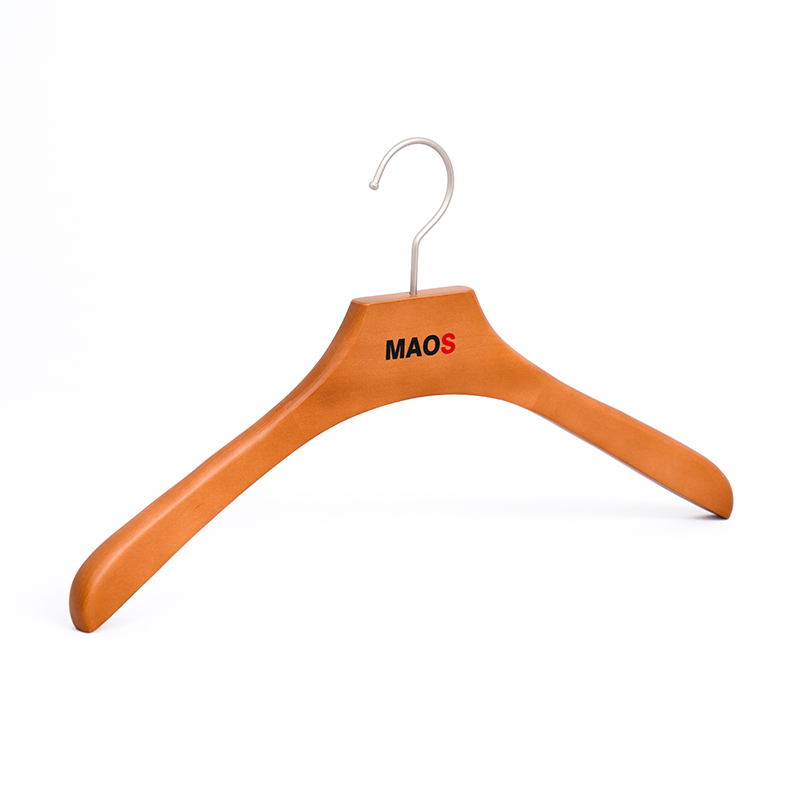
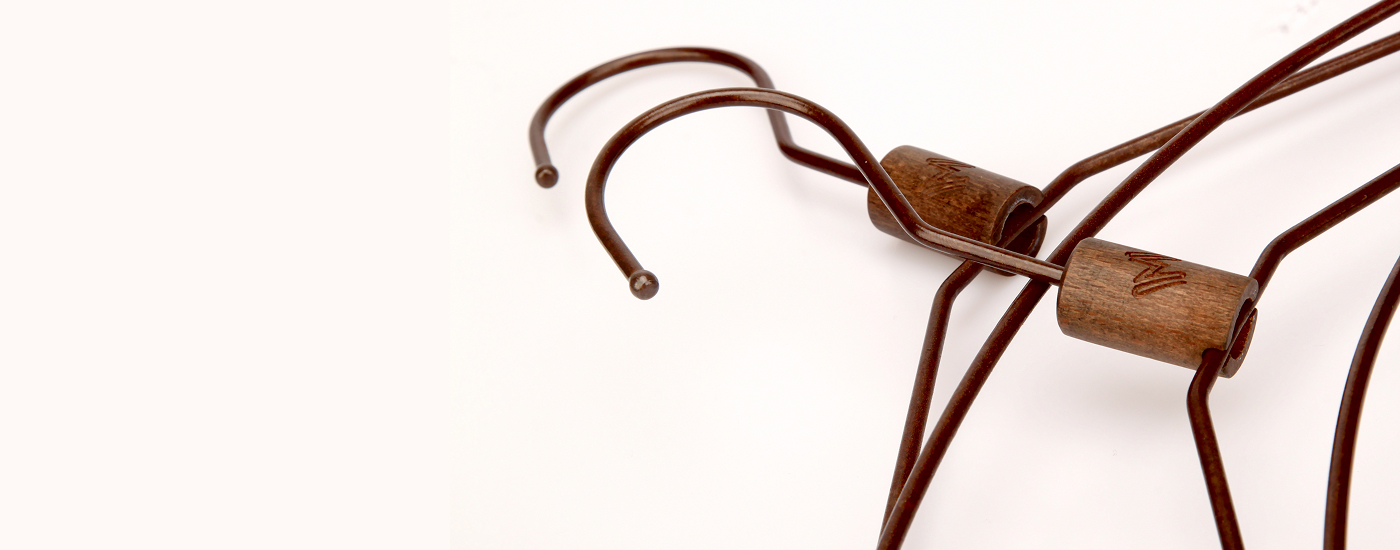
If you are looking for the best way to use an aluminium cloth hanger for shirts, the goal is usually simple: keep shirts in shape, save closet space, prevent shoulder marks, and make daily use easier. Many buyers search this topic because they are not only buying a hanger, they are trying to solve real problems such as shirt slipping, bent collars, weak hanging strength, rust, and poor wardrobe organization. This guide explains exactly how to use an aluminium cloth hanger for shirts, what tools you need, what mistakes to avoid, and how to get the best long-term value from your purchase. If you need durable and practical hanging solutions, Mao's offers reliable products designed for everyday shirt storage, and you can also view the product image here: //www.maoshangers.com/storage/storage/watermark/f_imgs/20260206/7673d7c950998c7a42cb12c62f1232bb.jpg
Why People Search for How To Use Aluminium Hanger For Shirts
What the top Google blog posts usually focus on
When users search this topic on Google, the top blog posts usually focus on practical usage, product benefits, and storage advice. They often explain how to hang shirts properly, how to avoid wrinkles, and why aluminium hangers are better than plastic or wire alternatives for certain needs. The best-performing posts also tend to cover buying guidance, because readers want to know whether an aluminium hanger is suitable for formal shirts, office wear, or long-term closet organization.
The real pain points of the purchasing group
The purchasing group typically wants a hanger that solves daily storage problems rather than just looking good. Their main pain points usually include:
- Shirts slipping off the hanger and falling to the floor
- Shoulder bumps or stretching after hanging for long periods
- Rust or poor durability in humid environments
- Closets that look messy because the hangers are bulky or inconsistent
- Hangers that are too weak for heavier shirts or layered garments
- Difficulty organizing shirts by type, color, or usage frequency
What content they want to see first
Users usually want direct answers first, not theory. They want to see how to choose the right hanger, how to place the shirt on it correctly, how to store it without damage, and how to keep the hanger working well over time. That means step-by-step instructions, tool lists, and practical warnings are more useful than general product descriptions.
Choose the Right Aluminium Hanger for Shirt Storage
Check the hanger shape before you buy
Not every hanger works equally well for shirts. The best aluminium cloth hanger for shirts should have smooth edges, a balanced shoulder shape, and a width that matches the size of the shirt. A good shape helps the shirt keep its natural line and reduces deformation over time.
Look for the features that matter most
Before using an aluminium hanger, make sure it has the right structure for shirt storage. Important features include:
- Rounded shoulder ends to reduce marks
- Anti-slip design for lightweight or silky shirts
- Strong load-bearing capacity for daily use
- Corrosion resistance for long-term storage
- Lightweight build for easy handling
Match the hanger to the shirt type
Different shirt fabrics behave differently. Cotton shirts, business shirts, dress shirts, and blended shirts all need support, but the level of grip and structure may vary. If the shirt is delicate, choose a hanger with smoother contact points. If the shirt is heavier, choose a stronger aluminium hanger that does not bend easily.
Prepare the Tools Before Hanging Shirts
List of required tools
You do not need many tools, but a simple setup makes the process easier and more effective. Prepare the following:
- Aluminium cloth hanger
- Clean, dry shirt
- Closet rod or hanging rack
- Laundry brush or lint remover
- Optional: garment steamer for removing wrinkles before hanging
- Optional: measuring tape if you want to organize by spacing
Make sure the shirt is ready first
Always check the shirt before hanging it. If it is wet, heavily wrinkled, or dirty, the hanger will not solve the problem. Clean and dry the shirt first, then hang it in a way that preserves its shape.
Set up enough closet space
Even a high-quality aluminium cloth hanger works better when the closet is not overcrowded. Shirts need a little breathing room so they do not wrinkle against each other. A crowded closet can make even the best hanger less effective.
Hang a Shirt on an Aluminium Hanger Step by Step
Step 1: Check the shirt collar and shoulders
Before hanging, hold the shirt by the top and inspect the collar, shoulders, and sleeves. Smooth out any major folds with your hands. This first step helps reduce deep wrinkles that can become harder to remove later.
Step 2: Open the shirt fully
Unbutton the top buttons if needed and spread the shirt naturally. Make sure the front panels are aligned. If the shirt was folded before storage, flatten the fabric gently so it sits correctly on the hanger.
Step 3: Place the hanger at the center of the shirt
Position the aluminium hanger so the hook is upright and the shoulder ends are level. Centering the hanger is important because uneven placement can pull the shirt to one side and cause distortion.
Step 4: Slide the shirt onto both sides evenly
Start by placing one shoulder of the shirt onto one side of the hanger, then guide the other shoulder onto the opposite side. Move slowly to keep the fabric aligned. The shirt should sit naturally on the hanger without stretching.
Step 5: Adjust the collar and shoulder line
After the shirt is on the hanger, check that the collar lies flat and the shoulder seams follow the hanger shape. If the shirt is bunched up near the neck or pulled too tightly at the shoulders, lift it off and reposition it.
Step 6: Button the shirt if needed
For formal or wrinkle-prone shirts, buttoning the top one or two buttons can help the shirt keep its shape while hanging. This also reduces the chance of the front panels sliding apart.
Step 7: Hang the shirt in an open closet area
Place the hanger on the rod with enough space on both sides. Avoid squeezing shirts together. A properly hung shirt should fall straight and hang freely, which helps air circulate and reduces wrinkling.
Step 8: Recheck after a few minutes
Once the shirt is hanging, check it again after a short period. Fabric can settle slightly, especially if the shirt was recently ironed or steamed. A quick recheck ensures the shirt remains smooth and properly positioned.
Keep Shirts Looking Neat After Hanging
Use spacing to reduce wrinkles
One of the simplest ways to protect shirts is to keep enough distance between hangers. Shirts that rub against each other can wrinkle quickly, especially in small closets. Proper spacing helps the shirt keep a cleaner appearance for longer.
Group shirts by frequency of use
Organizing shirts by workwear, casual wear, and special occasions can save time each morning. An aluminium cloth hanger works especially well when you want a tidy, consistent closet layout. It makes it easier to find the shirt you need without disturbing the rest of the wardrobe.
Use the hanger consistently for each shirt type
Using the same hanger style for similar shirts creates a cleaner look and helps your wardrobe stay uniform. Consistency is helpful if you manage a retail display, hotel wardrobe, or personal closet. It also makes it easier to compare shirt condition over time.
Avoid Common Mistakes When Using Aluminium Hanger For Shirts
Do not hang wet shirts immediately
Wet shirts should not be placed directly on a hanger unless the product is specifically designed for drying. Hanging wet fabric in a closed closet can create odor, moisture buildup, and possible fabric damage. Let the shirt dry properly first.
Do not overload the hanger
Although aluminium is strong, each hanger has a limit. Avoid hanging multiple shirts on one hanger or adding heavy items that may bend the shape. Overloading can reduce durability and affect shirt appearance.
Do not use damaged or bent hangers
If the hanger is bent, sharp, or uneven, it can create marks on the shirt and make storage less effective. Replace damaged hangers early to protect your clothing.
Do not ignore fabric sensitivity
Some shirts are more delicate than others. Thin or premium fabrics need smoother contact points and careful handling. Always choose a hanger that matches the fabric weight and structure.
Compare Aluminium Hanger Benefits for Shirt Users
Why aluminium is better for durability
Compared with weak wire or low-grade plastic hangers, aluminium offers better long-term strength and a more stable form. This makes it suitable for repeated daily use, especially in active households or commercial storage settings.
Why it helps with closet organization
An aluminium cloth hanger usually has a clean and modern appearance. It supports a neat wardrobe layout and reduces visual clutter. If the goal is to make the closet look organized and professional, this hanger type is a strong choice.
Why it can improve shirt care
A well-shaped aluminium hanger helps shirts hold their structure, which can reduce the need for frequent re-ironing. For busy users, that means easier maintenance and better presentation with less effort.
How to Maintain Your Aluminium Cloth Hanger
Clean the hanger regularly
Wipe the hanger with a soft cloth to remove dust and any residue from clothing or the closet environment. Regular cleaning helps preserve the finish and keeps the hanger looking professional.
Inspect for wear and bending
Check the hanger periodically for damage. Look at the hook, shoulder edges, and body structure. Replacing worn hangers in time prevents shirt damage and keeps your storage system reliable.
Store hangers in a dry area
Although aluminium is generally resistant to corrosion, it is still a good practice to keep hangers in a dry environment. This helps maintain appearance and performance over the long term.
When to Choose Mao's Aluminium Hanger Solutions
For daily shirt storage needs
If you need a dependable hanger for everyday shirts, Mao's offers practical options designed for regular use. This is useful for homes, retail displays, and workplaces that need consistent garment care.
For organized and professional wardrobes
When the goal is a clean, uniform closet, a reliable aluminium cloth hanger can make a visible difference. Mao's products help create a more structured look while supporting shirt shape and ease of use.
For buyers who want long-term value
Purchasing a hanger is often about avoiding repeated replacement costs. Durable aluminium hangers can deliver better value over time because they combine strength, usability, and a neat appearance.
Quick Summary for Daily Shirt Hanging
Use the correct hanger
Choose a hanger that matches the shirt size, fabric, and storage environment.
Hang the shirt step by step
Prepare the shirt, center the hanger, place both shoulders evenly, adjust the collar, and then store it with enough space around it.
Avoid common errors
Do not hang wet shirts, do not overload the hanger, and do not use damaged products.
Maintain the hanger well
Keep it clean, dry, and in good shape so it continues to protect your shirts for a long time.
With the right method, an aluminium cloth hanger can do more than hold a shirt. It can help preserve shape, reduce wrinkles, improve organization, and support a better clothing care routine. For buyers who want a dependable and practical solution, Mao's provides a smart option for everyday shirt storage, and the product image can be found here again: //www.maoshangers.com/storage/storage/watermark/f_imgs/20260206/7673d7c950998c7a42cb12c62f1232bb.jpg