How To Use Aluminium Hanger For Suits
Sep. 17, 2026
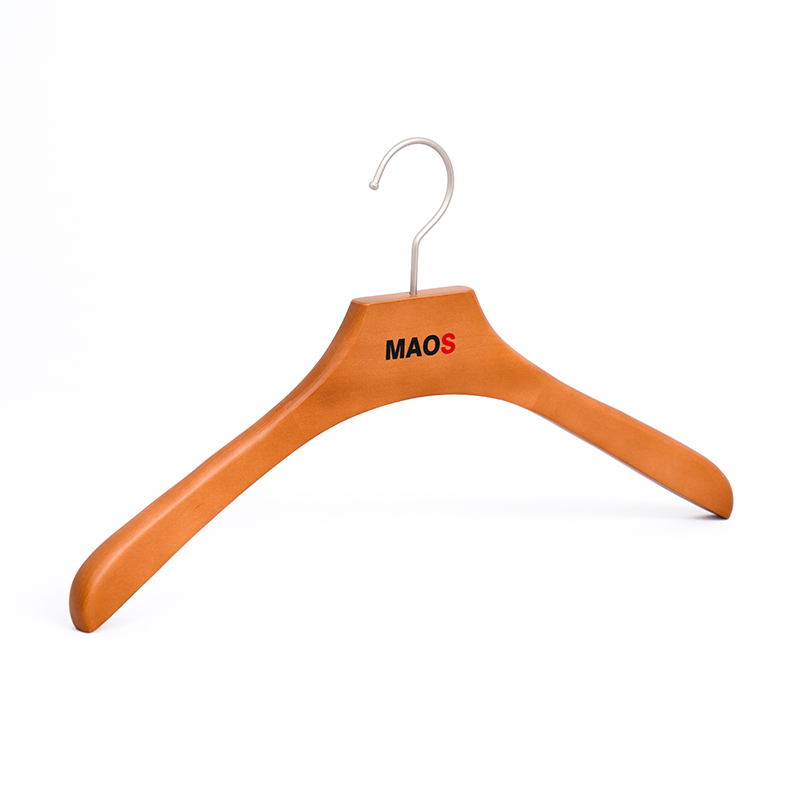
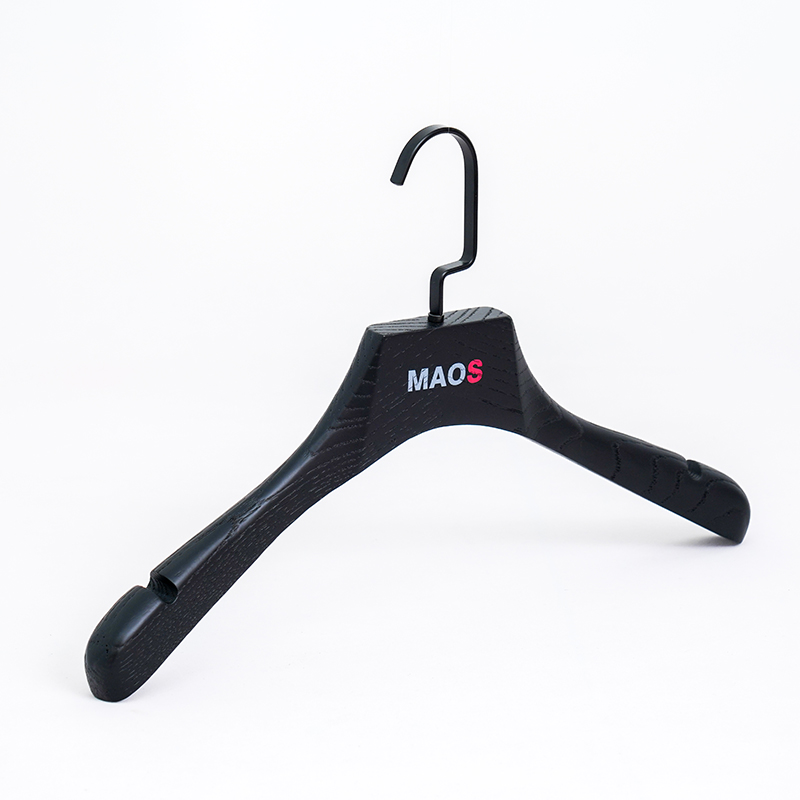
If you want a simple, durable, and professional way to store formalwear, an aluminium cloth hanger is one of the best choices for suits, jackets, blazers, and trousers. Many buyers search this topic because they want to know how to use the hanger correctly, how to avoid shoulder marks, how to keep the suit in shape, and how to make their wardrobe look more organized. This guide explains the right way to use an aluminium hanger for suits, the tools you need, the most common mistakes to avoid, and the practical benefits for daily garment care. Mao's also recommends this solution for households, hotels, garment shops, and fashion storage needs: aluminium cloth hanger.
Why People Search for How To Use Aluminium Hanger For Suits
They want to protect suit shape and reduce creases
One of the most common reasons people search this topic is that they want their suits to keep a clean, tailored shape. A suit is not just any piece of clothing. It has structure in the shoulders, collar, sleeves, and trousers, so poor hanging can quickly create wrinkles, sagging, or distorted lines. Buyers want a hanger that supports the garment without leaving pressure marks, and aluminium hangers are often chosen because they are firm, stable, and long-lasting.
They want a hanger that lasts longer than plastic or wood in some use cases
Purchasing groups often compare aluminium hangers with plastic and wood. They want to know whether aluminium offers better durability, less breakage, and better value over time. In many cases, the answer is yes, especially when the hanger is used in wardrobes with frequent access, hotels, retail display, or laundry storage. People looking for practical information want to understand how to use it correctly so the product performs as expected.
They want easier wardrobe organization for formalwear
Another major search intent is organization. Users want to know how to arrange suits, jackets, and trousers neatly so they can find outfits quickly and keep the wardrobe visually clean. The search query often comes from people who are building a more efficient closet system and need a hanger style that is slim, strong, and suitable for repeated use.
What You Need Before Hanging a Suit on an Aluminium Hanger
Required tools and preparation items
Before you begin, prepare a few basic items so the hanging process is smooth and the suit stays in good condition.
- 1. Aluminium cloth hanger
- 2. Clean suit jacket or blazer
- 3. Suit trousers or matching pants
- 4. Lint roller or soft brush
- 5. Garment steamer or iron, if the suit needs light wrinkle removal
- 6. Closet space with enough room between garments
- 7. Dry, clean storage area to prevent dust and moisture problems
Choose the right hanger shape for suits
Not every hanger is suitable for formalwear. A suit hanger should have a broad shoulder design or a shape that supports the jacket properly. If the hanger is too thin, it may create dents at the shoulder seams. If it is too narrow, the jacket may slide out of position. The main goal is to keep the suit naturally supported from the inside out.
Check the suit condition before storage
Before placing the suit on the hanger, inspect it carefully. Remove visible dust, empty pockets, and smooth out minor folds. If the suit was worn for several hours, let it air out briefly before hanging it away. This helps prevent odor retention and moisture buildup inside the wardrobe.
How To Use Aluminium Hanger For Suits Step by Step
Step 1: Prepare the suit jacket and trousers
Start by laying the suit jacket and trousers on a clean, flat surface. Check for wrinkles, loose threads, lint, or small items left in the pockets. Shake the jacket lightly to help the fabric relax. If the suit has been worn, let it rest for a short period so any trapped body heat or moisture can escape before storage.
Step 2: Open the wardrobe and place the hanger in a stable position
Take the aluminium cloth hanger and place it on a stable closet rod. Make sure the rod is strong enough to carry the garment without bending. The hanger should hang freely and not touch other clothes too closely. Proper spacing helps keep the suit in natural shape and improves air circulation.
Step 3: Hang the jacket by the shoulder structure
Carefully place the jacket onto the hanger so that both shoulders rest evenly on the hanger frame. The collar should sit near the top center, and the weight of the jacket should be balanced on both sides. Do not force the jacket onto the hanger or pull one shoulder too far out. The purpose is to preserve the jacket's original tailoring and prevent deformation.
Step 4: Smooth the sleeves and front panels
Once the jacket is on the hanger, use your hands to gently smooth the sleeves downward. Align the front panels so they hang straight without twisting. This reduces unnecessary folds and helps the suit maintain a crisp appearance. If the jacket has lapels, make sure they lie naturally and do not bunch up under the collar.
Step 5: Hang the trousers correctly
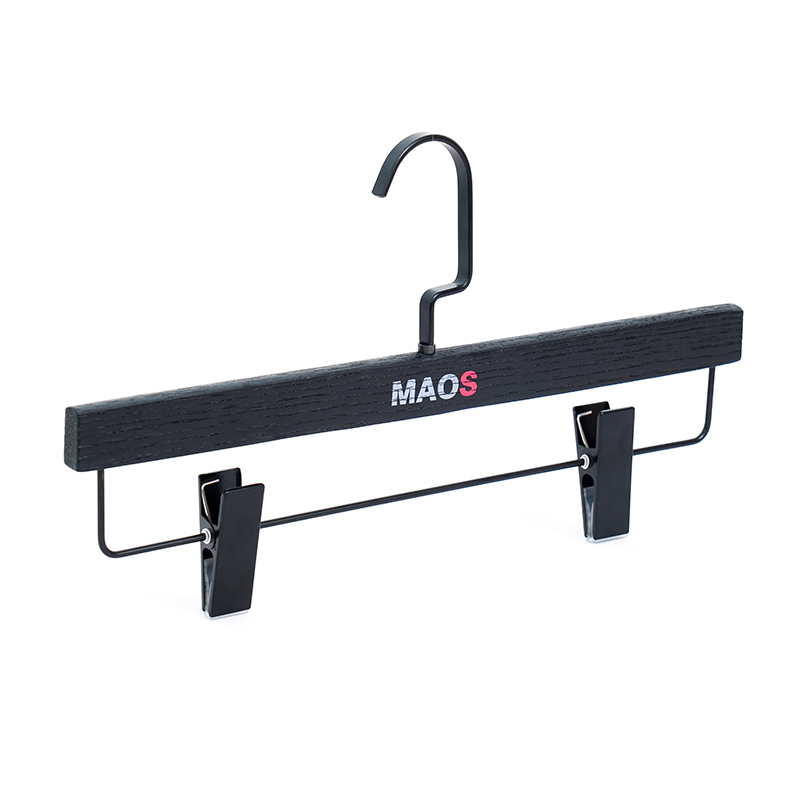
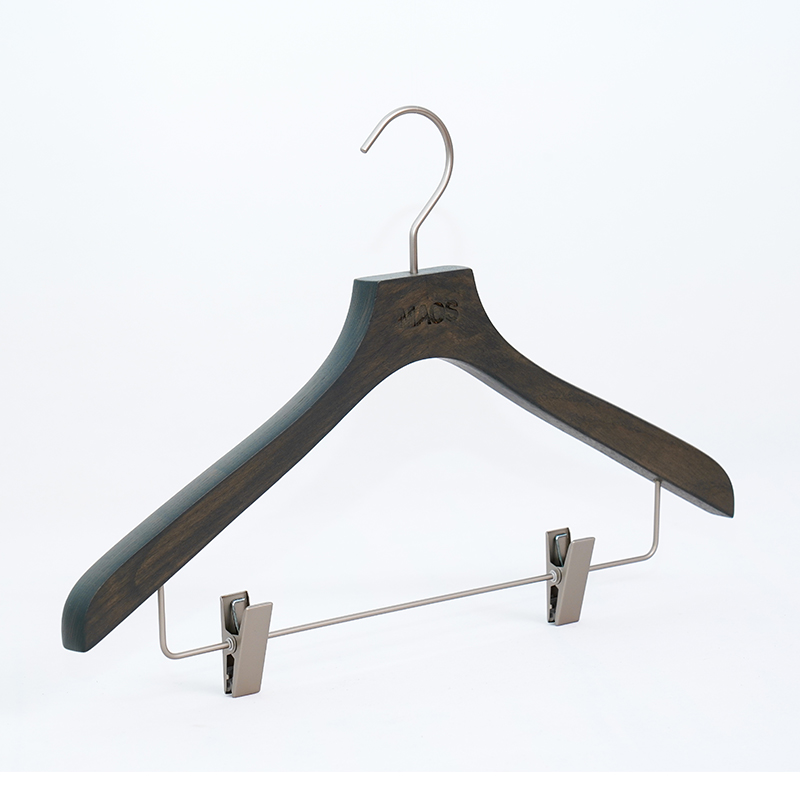
After the jacket is secure, hang the trousers in a clean, crease-friendly way. You can fold them once along the center crease and place them over the lower bar or drape them so the leg lines remain straight. If your aluminium hanger design includes a trouser bar or clip area, make sure the pants are secured gently, not clamped too tightly.
Step 6: Ensure everything is balanced and not overcrowded
Check the full hanging setup before closing the wardrobe. The jacket should not lean to one side, and the trousers should not pull the hanger downward unevenly. Leave enough space around the suit so the fabric can breathe. Overcrowding is a major cause of wrinkles and collar distortion, even when using a high-quality hanger.
Step 7: Store the suit in the right environment
Place the suit in a dry, cool, and clean storage area. Avoid areas with direct sunlight, excessive humidity, or heat sources. Aluminium hangers perform best in organized wardrobes where the garments stay protected from dust and moisture. Good storage conditions are just as important as the hanger itself.
How To Use Aluminium Hanger For Suits in Daily Wardrobe Management
Use separate hangers for jackets and trousers when needed
For daily organization, some users prefer one hanger for the jacket and another for the trousers. This can make the wardrobe easier to scan and reduce pressure on one single hanger point. It is especially useful if the suit is worn often or if the trousers and jacket are stored in different sections of the closet.
Keep suit rotation organized by frequency of use
If you own multiple suits, arrange them based on how often you wear them. Daily work suits should be placed in the most accessible position, while occasion suits can be stored farther away. Aluminium hangers help create a clean visual layout, which makes dressing faster and more efficient.
Use the hanger for temporary airing after wear
One practical use is to hang the suit for a short airing period after wearing it. This allows odor, moisture, and fabric tension to settle before long-term storage. It is a simple habit, but it helps protect the suit from premature wear and keeps the wardrobe fresher.
Common Mistakes To Avoid When Using an Aluminium Cloth Hanger for Suits
Do not use the wrong hanger width
A hanger that is too narrow or too wide can affect the suit's shoulder line. The shoulder area is one of the most important parts of a jacket, so the hanger width should support the garment in a natural shape. Using the wrong width is one of the fastest ways to damage the look of a suit.
Do not overload the hanger
Some users try to hang too many garments on one hanger. This creates uneven pressure, stretches the fabric, and makes the wardrobe messy. The aluminium cloth hanger should be used to support one suit set or a carefully managed garment combination, not a heavy cluster of clothes.
Do not hang wet or damp suits directly into closed storage
If a suit is damp from rain, sweat, or cleaning, do not place it immediately into a closed wardrobe. Let it dry fully in a ventilated area first. Storing damp garments can lead to odor, fabric damage, and even mold issues in the long run.
Do not clamp trousers too tightly
If your hanger uses clips, avoid over-tightening them. Strong pressure can leave marks, especially on fine suit fabric. The goal is secure support, not compression. Gentle fastening is enough to keep the trousers in place while preserving their appearance.
Do not crowd the closet
Even the best hanger cannot fully protect a suit if the closet is overcrowded. When clothing is packed too tightly, fabric rubs against fabric, collars bend, and wrinkles form more easily. Proper spacing is a key part of suit care and hanger use.
What Buyers Care About Most When Choosing Aluminium Hangers for Suits
Durability and long-term value
Purchasing groups usually want a hanger that can handle repeated daily use without bending, cracking, or losing shape. Aluminium is attractive because it is sturdy and often outlasts lower-cost alternatives. Buyers want confidence that the hanger can support suits for a long time.
Appearance and wardrobe presentation
Many users care about how the wardrobe looks. Aluminium hangers often create a neat, uniform presentation that looks cleaner than mixed plastic hangers. This is especially important for retail stores, hotel closets, and premium home wardrobes.
Space-saving design
A slim hanger profile helps maximize storage space while keeping garments orderly. This is an important factor for people with limited closet space who still need to store formalwear without damaging its shape.
Ease of use and daily convenience
Users want a hanger that is easy to place, remove, and reposition. A simple hanging process saves time and makes suit care feel effortless. Convenience matters because people are more likely to use a storage system consistently when it is easy to manage.
How Mao's Aluminium Cloth Hanger Helps Improve Suit Storage
Designed for practical daily garment care
Mao's focuses on making storage easier for users who need a reliable solution for suits and formal clothing. The aluminium cloth hanger supports daily use, helps maintain shape, and fits well into home wardrobes, retail spaces, and hospitality storage systems.
Suitable for different storage and display needs
Whether the goal is home organization, boutique display, or hotel closet arrangement, the right hanger should provide stable support and a clean look. Mao's hanger options are designed to help users store garments efficiently while maintaining a neat appearance.
Useful for buyers seeking stable and professional garment storage
For purchasing teams, the key question is usually not just how a hanger looks, but how it performs after repeated use. An aluminium cloth hanger offers a practical balance of strength, usability, and space efficiency, which makes it a strong choice for many suit storage settings.
Final Tips for Better Suit Care with Aluminium Hangers
Build a simple suit care routine
To get the best results, create a repeatable routine: wear the suit, air it out, brush it clean, and hang it correctly on the aluminium hanger. Small habits create long-term improvements in garment appearance and durability.
Check your wardrobe conditions regularly
Even a good hanger works best in a suitable environment. Inspect the closet for moisture, dust, overcrowding, and poor ventilation. A clean storage space protects your suit and helps the hanger perform well.
Replace damaged or bent hangers early
If a hanger becomes bent or loses its balance, replace it quickly. A damaged hanger can cause more harm than it seems, especially when storing expensive suits. Regular checks keep your wardrobe system reliable.
Used correctly, an aluminium cloth hanger is a simple but effective tool for keeping suits in shape, reducing wrinkles, and organizing a wardrobe with a cleaner, more professional look. If you are looking for a dependable storage solution, Mao's offers practical options that support better garment care and long-term use.