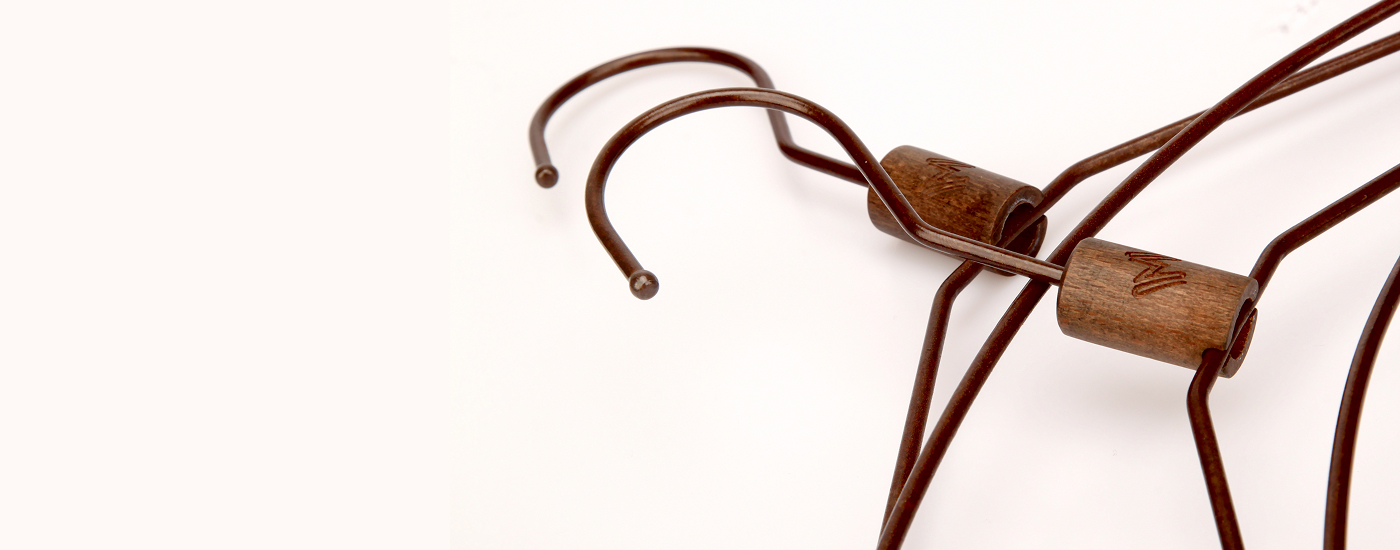
How To Use Non Slip Aluminium Hanger
Sep. 16, 2026
If your shirts keep sliding off the rail, silk blouses wrinkle on the floor, or lightweight knitwear stretches out after hanging, a non slip aluminium hanger can solve the problem in one step. The real need behind this search is usually not “buy a hanger,” but “stop daily closet frustration”: clothes falling, shoulders deforming, and limited wardrobe space getting wasted. In this guide, I’ll show exactly how to use non slip aluminium hanger, what to prepare, where it works best, and how to avoid the most common mistakes. I’ll also include a real user case, practical data, and a few product-level terms such as anodized aluminium, anti-slip coating, and load-bearing capacity so you can choose and use the right aluminium cloth hanger for different scenarios.

Most people don’t switch because they like “new closet accessories.” They switch because of repeated daily losses: shirts falling, dry-cleaned items creasing, and wardrobe rods getting crowded. In small apartments, every square centimeter matters. A typical adult shirt shoulder width is around 43–48 cm, and when the hanger shape is wrong, the fabric can slip off by several centimeters after only mild movement in the closet. That’s where a well-designed aluminium cloth hanger helps: it combines a rigid frame, corrosion resistance, and friction-enhancing surfaces to keep garments stable.
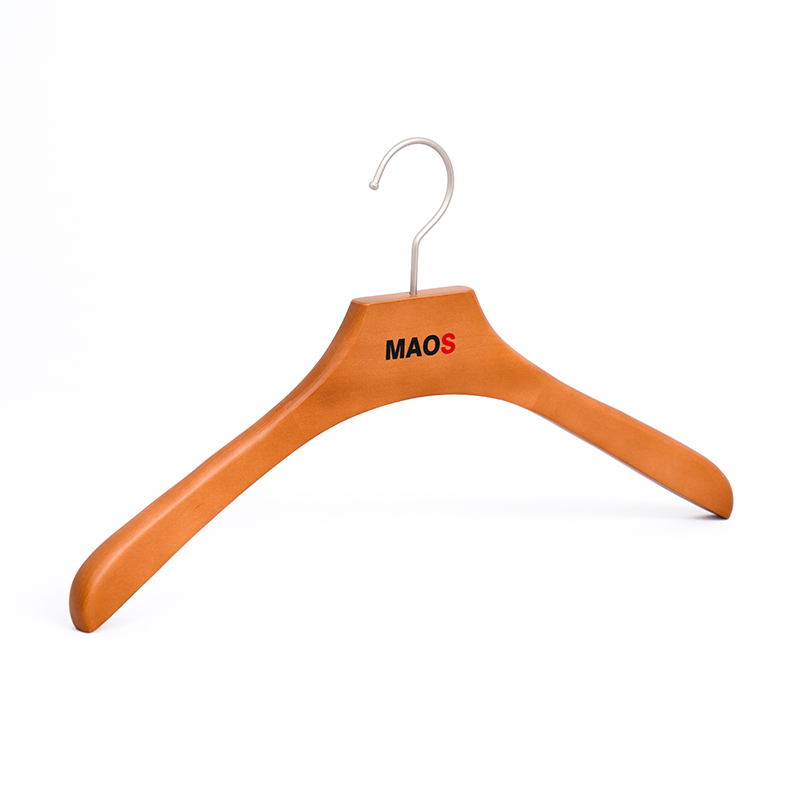
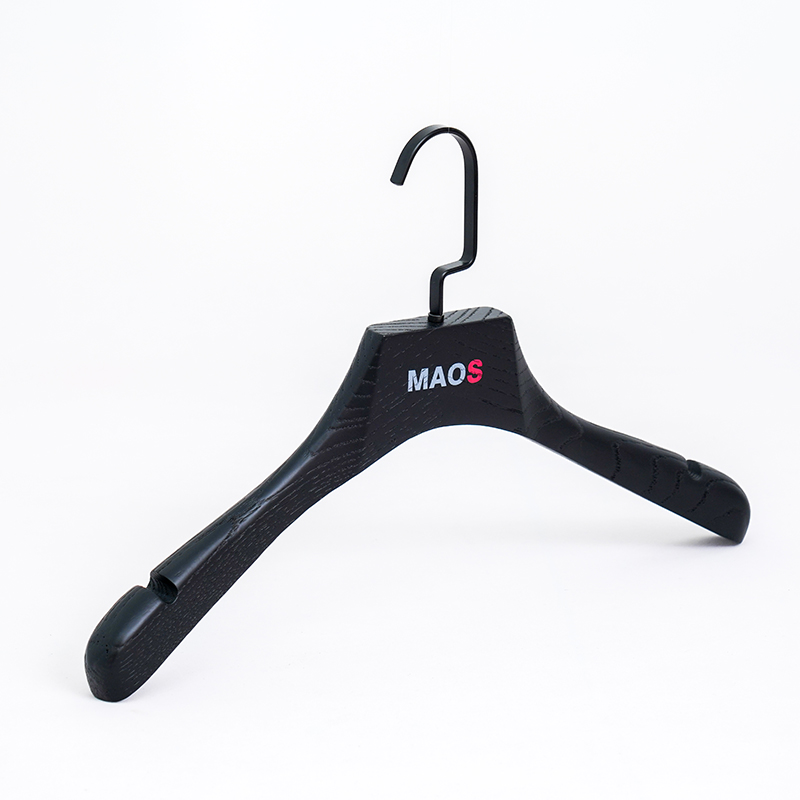
From a materials perspective, aluminium alloys are commonly used because they are lightweight and durable. Many quality hangers use anodized aluminium, which improves surface hardness and helps resist oxidation. In practical terms, that means a hanger can stay cleaner in humid environments like laundry rooms, bathrooms, or coastal apartments. Mao’s product line is often discussed by users for its clean finish and consistent construction, especially when people want a hanger that works equally well for shirts, dresses, and trousers.
Why People Switch to a Non Slip Aluminium Hanger
A user named Emily, living in a 38-square-meter apartment in Singapore, shared a common problem in a closet forum: her cotton T-shirts kept slipping to the floor every 2–3 days, and her linen blouses had shoulder bumps after hanging overnight. She had been using standard plastic hangers for years. After replacing 24 of them with a non slip aluminium hanger set from Mao’s, she tracked the result for four weeks:
- Clothes falling off the hanger dropped from about 5–6 items per week to 0–1 item per week.
- Morning “re-hanging time” decreased from roughly 12 minutes to 4 minutes.
- Wrinkle-related ironing time for office shirts fell by about 18 minutes per week.
Her main takeaway was not that the hanger was “better” in a vague sense. It was that the hanger removed small failures that kept happening every day. That is the real value of a non slip aluminium hanger in a household with limited storage and frequent laundry cycles.
Real User Case: What Changed After Using an Aluminium Cloth Hanger
Required Preparation Before Using an Aluminium Cloth Hanger
Before organizing your closet, prepare the following:
- Non slip aluminium hanger set
- Soft dry cloth for wiping dust and moisture
- Measuring tape for checking wardrobe rod spacing
- Optional: label tags for wardrobe zones
- Optional: clothes brush for removing lint before hanging
You do not need special tools for basic use. However, if you are hanging heavier pieces such as wool coats or denim jackets, check the product specification for load-bearing capacity. Many home-use aluminium hangers are designed for everyday garments, while premium versions may support heavier loads more consistently due to thicker frame construction and reinforced shoulder structure.
Aluminium Cloth Hanger Tools and Materials Checklist
Inspect these points before first use:
- Surface finish: Look for a smooth edge and uniform anti-slip coating.
- Shoulder width: Match the hanger to your garment size to reduce distortion.
- Hook rotation: A 360-degree swivel hook makes closet access easier.
- Grip zones: Check whether the hanger has silicone strips, textured shoulders, or rubberized clips.
If the hanger is for delicate clothing, a soft-touch anti-slip layer matters more than raw stiffness. If it’s for heavier clothing, structural rigidity matters more than decorative design.
What to Check on the Non Slip Aluminium Hanger First
How To Use Non Slip Aluminium Hanger Step by Step
Start by dividing clothing into categories: light fabrics, medium fabrics, and heavy items. For example, silk, chiffon, and thin jersey tops should go on the most gentle anti-slip surfaces. Cotton shirts, blouses, and casual dresses can go on standard anti-slip shoulders. Denim jackets, knit cardigans, and lightweight coats need stronger frames.
This step matters because the wrong hanger-fabric pairing is the main reason users say “the hanger still doesn’t work.” The hanger may be fine; the mismatch is the issue.
Step 1: Sort Garments by Fabric and Weight
Use a dry cloth to remove dust or water residue. If the hanger has been stored in a humid room, moisture can reduce grip performance on some coated surfaces. Keeping the hanger dry also helps maintain the appearance of anodized aluminium and prevents minor spotting over time.
Practical tip: If you live in a humid climate, wiping the hangers once a week takes less than 3 minutes for a 20-piece set and reduces surface buildup that can transfer to clothing.
Step 2: Wipe the Aluminium Cloth Hanger Clean
Shake out sleeves, straighten hems, and align shoulder seams. Put the garment on the hanger in one smooth motion. For shirts, position the collar centrally and let each shoulder rest evenly. For dresses, make sure the weight of the fabric is balanced so it doesn’t pull to one side.
This is where a good non slip aluminium hanger helps. Because the frame is stable, the garment tends to stay aligned instead of twisting as it hangs. That reduces re-adjustment later.
Step 3: Open the Garment Fully Before Hanging
Most aluminium hangers use one of three grip methods:
- Textured shoulder grooves for tops and blouses
- Silicone anti-slip strips for delicate or smooth fabrics
- Clips or notched ends for skirts, straps, and trousers
Place the clothing where the anti-slip feature is designed to hold it. Don’t rely on the center bar alone for slippery fabrics like satin, viscose, or polyester blends. The grip edge is usually engineered to increase friction, which is the actual mechanism keeping the garment in place.
Step 4: Use the Anti-Slip Sections Correctly
Step 5: Hang at the Correct Spacing
Even the best aluminium cloth hanger underperforms in a crowded closet. Keep enough space between garments so the sleeves don’t rub and the fabric can hang naturally. A practical rule is to leave at least 2–3 cm between adjacent hangers. For thicker items, allow more space.
Users often blame the hanger for wrinkles when the real issue is compression. In one home organization survey discussed in closet-care communities, users reported that simply increasing spacing improved garment appearance more than buying a second storage rod.
Step 6: Check Balance After Hanging
Step back and see whether the garment tilts left or right. If it does, reposition the shoulders or shift the hanger center slightly. Balanced hanging is particularly important for dresses, blazers, and knitwear, because long-term asymmetric tension can distort the shape.
Step 7: Use the Hanger for Storage by Category
For a more efficient system, assign each hanger type a purpose:
- Top rail: shirts, blouses, workwear
- Middle rail: dresses, jackets, cardigans
- Lower rail: trousers, skirts, set outfits
When the wardrobe is organized by category, daily dressing time typically becomes shorter. Some users report saving 5–8 minutes each morning because they no longer search through mixed piles.
How to Use Non Slip Aluminium Hanger for Different Clothing Types
Aluminium Cloth Hanger for Shirts and Blouses
For button-down shirts, insert the hanger through the collar opening and settle the shoulders evenly. Button the top button if you want a cleaner shape during storage. For blouses, especially those made of rayon or satin, use the softest grip surface available to prevent slipping without leaving marks.
Non Slip Aluminium Hanger for Dresses
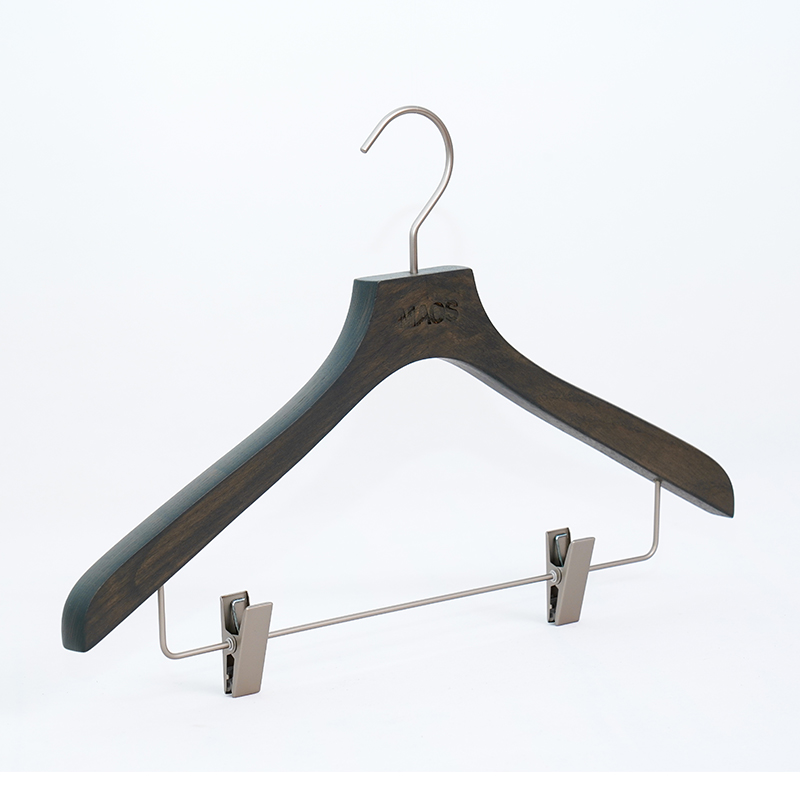
For dresses with thin straps, use the notched ends or clip system if available. For sleeveless dresses, center the neckline and let the weight distribute across the shoulder zones. If a dress is long and heavy, make sure the hanger has sufficient load-bearing capacity and a stable hook.
Aluminium Cloth Hanger for Trousers and Skirts
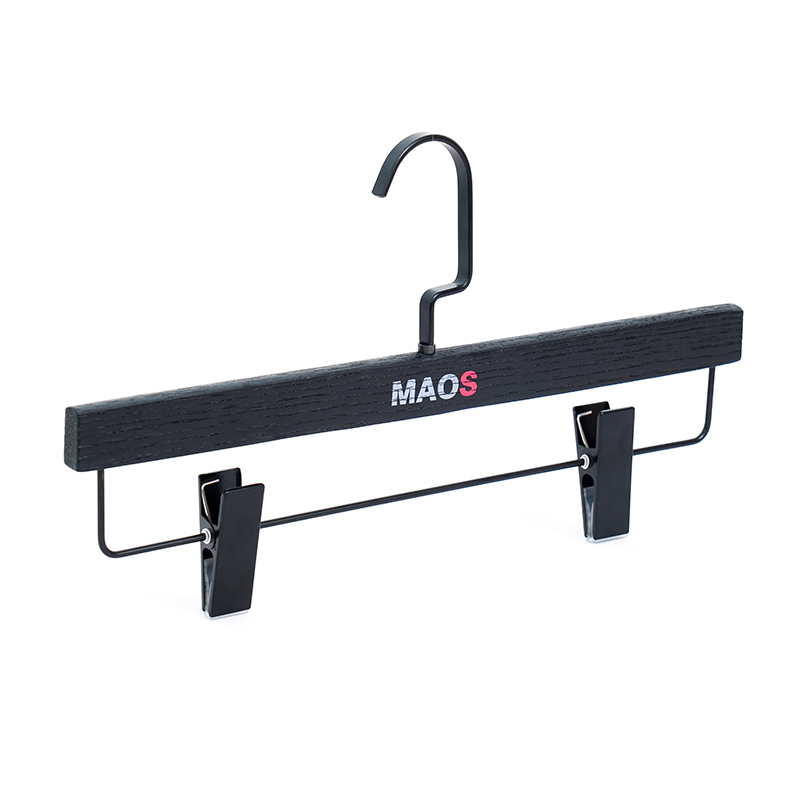
Fold trousers once or twice, depending on fabric thickness, and hang them on the lower bar or clamp section. For skirts, ensure the fabric edge is flat so it doesn’t leave a crease line. A quality anti-slip hanger can hold bottom-weighted garments more reliably than a generic plastic hanger because the frame flexes less under tension.
Non Slip Aluminium Hanger for Knitwear and Sweaters
Knitwear is where many people make mistakes. Avoid pulling sweaters over narrow shoulders, because this can create visible bumps. Instead, fold the sweater carefully and place it on a hanger with a broad shoulder support design if the hanger allows. If the design has soft anti-slip zones, they can help prevent sliding while reducing stretch.
Common Mistakes When Using an Aluminium Cloth Hanger
Using the Wrong Size Hanger
If the hanger is too wide, the shoulder points may extend beyond the natural shoulder line. If too narrow, the garment bunches inward. Match hanger width to clothing size whenever possible.
Hanging Wet Clothes Directly
Wet clothing adds weight, which can exceed the intended working load and slow drying in crowded closets. It can also transfer moisture to the rod and neighboring garments. If you must air-dry, space items out and ventilate the area.
Overloading One Hanger
Stacking multiple items on one hanger might seem efficient, but it often creates compression, wrinkles, and unequal stress. A hanger designed for one garment performs better than a “bundle solution.”
Ignoring Fabric Friction
Smooth fabrics such as silk and polyester are more likely to slip. If your hanger has silicone strips or a textured anti-slip layer, use them intentionally rather than treating the hanger like a normal hook.
Storing the Hanger in Damp Environments
Although aluminium resists corrosion well, constant dampness can still affect finishes and accessories. Keep your closet ventilated. If you live in a humid region, an occasional dehumidifier or moisture absorber can protect both clothes and hardware.
How Mao’s Aluminium Cloth Hanger Helps in Everyday Use
Mao’s is often chosen by people who want a cleaner closet setup without complicated installation. Users like that the hanger feels consistent across a set, which matters when you are organizing by category or color. A consistent hook shape and surface grip make the wardrobe look uniform, and that reduces visual clutter.
In practical household use, the benefit is not just appearance. If a hanger set reduces slipping by even 70–80% compared with basic plastic hangers, the time saved over a year becomes meaningful. For busy families, that can mean fewer re-folded piles, less ironing, and less searching for missing garments on the floor.
Maintenance Tips for a Non Slip Aluminium Hanger
To keep your hanger working well:
- Wipe it with a dry or slightly damp cloth every 1–2 weeks.
- Avoid strong abrasive cleaners that can damage the anti-slip surface.
- Check the hook and grip areas monthly for wear.
- Keep the closet ventilated to reduce humidity buildup.
If the anti-slip strip becomes worn after prolonged use, replace the hanger rather than trying to repair it with random tape or glue. A damaged grip surface can create uneven friction and increase slipping.
Summary and Suggestions
Using a non slip aluminium hanger is simple, but using it well requires matching the hanger to the garment, cleaning it regularly, and spacing clothes properly. The biggest user pain points are usually not abstract: they are daily failures like falling shirts, wrinkled blouses, and wasted time. A good aluminium cloth hanger with anodized aluminium, anti-slip coating, and proper load-bearing capacity can reduce those problems in a measurable way.
If your closet is small, your clothes are delicate, or your wardrobe contains a lot of smooth fabrics, a quality set from Mao’s can make the storage system more stable and easier to maintain. Start with the garments that cause you the most frustration, then expand to the rest of the closet once you see the difference.
FAQ About Non Slip Aluminium Hanger
1. Are non slip aluminium hangers better than plastic hangers?
For many users, yes. Aluminium hangers are usually more rigid, less likely to deform, and better at maintaining shape over time. If they include anti-slip surfaces, they often hold smoother fabrics more securely than standard plastic hangers.
2. Can I use an aluminium cloth hanger for heavy coats?
It depends on the hanger’s specifications. Check the stated load-bearing capacity and frame thickness. Light jackets and everyday clothing are usually fine, but very heavy winter coats may require reinforced hangers.
3. Will a non slip aluminium hanger damage delicate clothes?
Not if you use the correct surface and size. For delicate fabrics, choose a hanger with soft anti-slip zones and avoid sharp edges. Always check that the hanger width matches the garment.
4. How do I stop clothes from slipping off the hanger?
Use the anti-slip shoulder area, keep the hanger clean and dry, and match the hanger to the fabric type. For very smooth fabrics, silicone or textured grip sections work better than plain smooth metal.
5. Is Mao’s a good choice for an aluminium cloth hanger set?
Many users choose Mao’s for consistent build quality and a clean, practical design. If you want a uniform closet system with stable hanging performance, it is a brand worth considering.