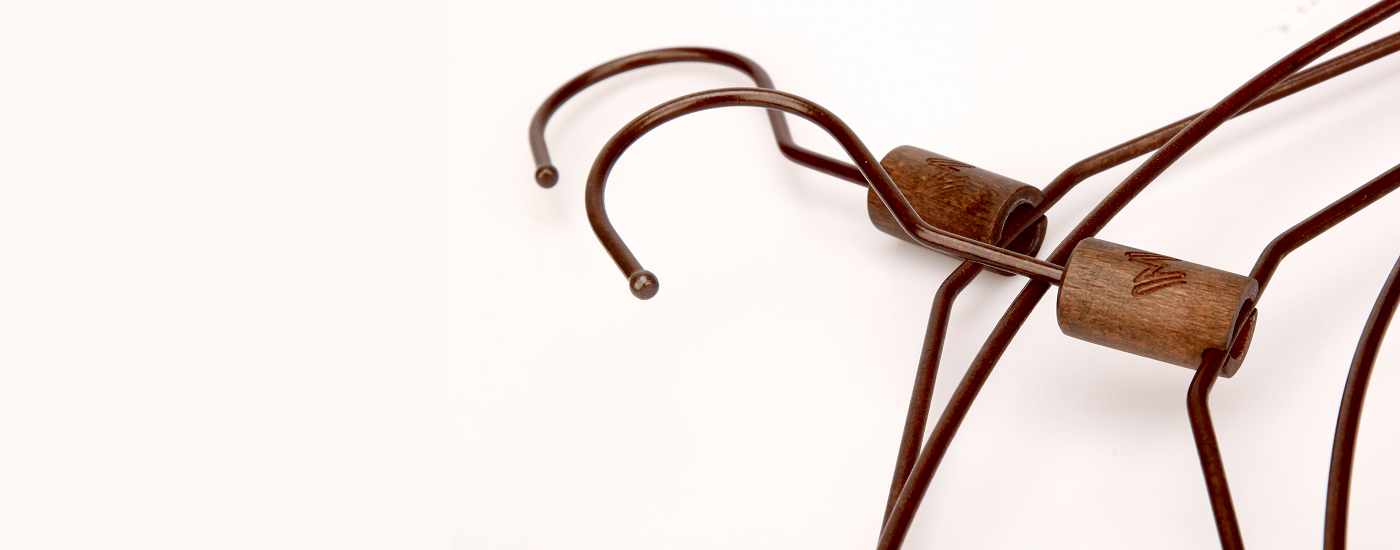
Tips For Bulk Buying Aluminium Hangers
Nov. 12, 2026
When I buy aluminium hangers in large quantities, I compare specifications, supplier reliability, minimum order quantity, landed cost, samples, quality controls, and delivery terms before approving production. The right process helps businesses control unit costs while maintaining consistent dimensions, finishes, load performance, and packaging across every shipment.
- Define the clothing types, storage environment, and required hanger styles.
- Compare aluminium thickness, dimensions, hook construction, finish, and non-slip performance.
- Request samples and supplier quality documents before confirming a production order.
- Calculate landed cost instead of judging the purchase by unit price alone.
- Negotiate MOQ, staggered delivery, packaging, customization, payment terms, and replacement procedures.
- Approve a written inspection standard before mass production begins.
Key Takeaways
- Aluminium hangers combine low weight, corrosion resistance, and repeatable presentation for commercial garment storage.
- Landed cost includes unit price, packaging, freight, customs, storage, inspection, and replacement allowances.
- Samples should confirm thickness, dimensions, hook strength, surface finish, clips, and non-slip performance.
- Supplier due diligence should cover factory capacity, inspection records, defect tolerances, lead times, and consistency.
- Retailers, hotels, laundries, and factories need different shapes, coatings, load capacities, and packaging formats.
What Are Aluminium Hangers?
An aluminium hanger is a garment hanger made primarily from formed aluminium wire, tubing, strip, or cast components. Aluminium is lightweight compared with many steel constructions, and it naturally forms a protective oxide layer that helps resist corrosion in ordinary indoor conditions. Depending on the design, an aluminium cloth hanger may include shoulder notches, trouser bars, clips, rubber or silicone grips, colored coatings, or a branded surface treatment.
I usually separate aluminium hangers into three purchasing categories: basic storage hangers, retail display hangers, and customized commercial hangers. Basic models suit warehouses and back-of-house wardrobes, while retail models place greater emphasis on width, shape, finish, and visual consistency. Customized versions may add clips, logos, special colors, protective packaging, or dimensions matched to a brand’s garment range.
!
Tips For Bulk Buying Aluminium Hangers
1. Match the Hanger Specification to the Application
I start with the garment categories rather than the supplier’s catalog. Shirts, jackets, trousers, dresses, uniforms, lingerie, and heavy outerwear place different demands on shoulder width, bar design, clips, and load capacity. A 40-centimeter hanger may suit smaller garments, while adult jackets and coats may require a wider profile to prevent shoulder distortion.
For retail displays, I check whether the hanger creates a consistent line across a rack and whether its finish matches the store environment. For hotels, I consider wardrobe dimensions, guest handling, and the need for clips or trouser bars. Laundries and garment factories generally need repeatable dimensions, smooth contact surfaces, and packaging that prevents tangling during transportation.
| Application | Useful specification priorities | Common design options |
|---|---|---|
| Retail clothing stores | Consistent width, finish, display shape, branding | Colored coating, logo, shoulder notches |
| Hotels | Smooth handling, wardrobe fit, durability | Trouser bar, clips, anti-theft features |
| Laundries and dry cleaners | Corrosion resistance, easy handling, low damage risk | Open shoulder shape, protective tips |
| Garment factories | Dimensional consistency, stacking, repeat supply | Standardized profiles, bulk cartons |
| Coastal or humid locations | Corrosion resistance and surface protection | Anodized or coated finish, sealed packaging |
2. Compare Aluminium Hangers With Plastic Hangers
When I evaluate aluminium hangers vs plastic hangers, I compare the complete operating requirement instead of selecting only by initial price. Aluminium often provides a slimmer visual profile and a metal appearance that suits premium retail, hospitality, and branded wardrobe programs. Plastic may offer lower unit pricing and a wider range of molded shapes, but it can be more vulnerable to cracking, deformation, or color variation depending on the resin and environment.
Aluminium is not automatically the best choice for every business. Plastic can be practical when a company needs very low-cost, lightweight hangers in large uniform sizes, while aluminium can be preferable when appearance, recyclability, corrosion resistance, and long service life are more important. I also check whether the aluminium design has exposed edges, because poorly finished edges can damage delicate fabrics or create handling problems.
| Factor | Aluminium hangers | Plastic hangers |
|---|---|---|
| Weight | Usually light, depending on profile and accessories | Often light, depending on resin and design |
| Durability | Good when thickness, joints, and finish are controlled | Varies by resin, wall thickness, and molding quality |
| Appearance | Metal finish supports premium and industrial displays | Broad color and shape options |
| Corrosion | Aluminium resists ordinary atmospheric corrosion; coatings add protection | Does not rust, but can degrade under heat or ultraviolet exposure |
| Recyclability | Aluminium has established recycling value | Recycling depends on polymer type and local systems |
| Best fit | Retail, hotels, commercial wardrobes, premium storage | Cost-sensitive programs and molded specialty shapes |
3. Inspect Material Thickness and Load Performance
Material thickness is one of the most important quality indicators in a wholesale order. A supplier should provide the stated wire diameter, tube wall thickness, strip gauge, or profile dimensions for the selected model. I compare these figures with the approved sample and record the permitted tolerance before production, because a small dimensional change can affect stiffness, appearance, and packing density.
Load performance should be tested with garments that represent the actual use case. A shirt hanger does not need the same capacity as a hanger for winter coats or wet garments in a laundry. I ask for a controlled load test or internal test record and define acceptance criteria such as permanent deformation, joint movement, hook opening, and clip slippage after the specified load is applied.
4. Check the Hook, Joints, Finish, and Non-Slip Areas
The hook is a frequent failure point in low-cost hangers, so I inspect its diameter, connection method, rotation, opening, and alignment. The hook should remain attached when the hanger is lifted, rotated, and placed on a rail repeatedly. If the hook is welded, crimped, or mechanically joined, I ask how the supplier checks the connection during production.
Surface finish also affects both appearance and garment safety. I look for scratches, sharp edges, uneven anodizing, color variation, coating bubbles, exposed metal, and contamination. For non-slip models, I test whether rubber, silicone, foam, or textured coating retains its grip without leaving residue on fabric; a non-slip feature that transfers color or flakes during use creates a larger operating problem than a smooth hanger.
5. Calculate Bulk Aluminium Hanger Pricing as Landed Cost
Bulk aluminium hanger pricing is shaped by more than the quoted piece price. The final cost can include the hanger, clips or bars, coating or anodizing, logo application, inner packing, cartons, pallets, inspection, freight, customs duties, warehouse receiving, and replacement units. I place these items in a cost sheet before comparing suppliers, because a lower factory price may be offset by heavier packaging or higher shipping volume.
A useful budgetary example is to compare three order scenarios rather than one headline quote. A basic unbranded hanger might be quoted at approximately $0.80–$1.80 per unit, a coated or non-slip model at $1.20–$3.00, and a customized retail model at $2.00–$5.00 or more, depending on metal quantity, accessories, packaging, and order size. These figures are planning ranges rather than fixed market prices, so I request a written quotation with Incoterms, carton dimensions, gross weight, production lead time, and all tooling or setup charges.
6. Select a Wholesale Supplier Through Due Diligence
For wholesale aluminium hangers, I request company information, factory photographs or video, product drawings, sample policies, quality-control records, production capacity, export experience, and references relevant to my industry. I also check whether the supplier manufactures the product or mainly trades it, because production control, customization, and repeat-order consistency can differ significantly.
Mao’s, for example, states that it was established in 1993 and operates five factories with nearly 400 employees. Its product range includes aluminium, metal, wood, plastic, fabric, PVC-coated, and foam-wrapped hangers, and its customization process includes a design brief, engineering drawings, sample making, sample approval, and mass production. When assessing any supplier, I use these types of details as starting points, then verify the specific factory, model, inspection process, and contractual terms for my order.
7. Approve Samples Before Mass Production
I never approve a large order from photographs alone. The sample should be checked against the technical drawing for overall length, width, hook height, wire or tube dimensions, clip position, bar clearance, coating color, and packaging protection. I also hang representative garments to check shoulder support, slipping, creasing, clip marks, and contact with nearby hangers.
For customized products, I approve a signed sample or controlled reference piece. The purchase order should identify the approved finish, logo size, logo location, color code, accessories, carton quantity, and acceptable defect limits. If the supplier changes material, coating, tooling, or subcontractors after approval, I require written notice and a replacement sample before mass production.
8. Negotiate MOQ, Delivery, and Packaging Terms
The minimum order quantity for wholesale aluminium hangers varies by supplier, model, finish, and customization. Standard designs may be available in lower quantities, while special colors, logos, clips, or tooling often require a larger MOQ. I ask for the MOQ at each configuration level and request a price break schedule, such as 1,000, 5,000, 10,000, and 50,000 pieces, rather than negotiating from a single quantity.
Staggered delivery can reduce storage pressure and improve cash flow when the supplier accepts partial shipments. I also discuss carton strength, inner separators, moisture protection, palletization, barcode labels, mixed-model cartons, and spare units for transit damage. Payment terms should define the deposit, balance trigger, inspection rights, documents required for shipment, and the process for defective or short-delivered goods.
How to Choose the Right Aluminium Hangers for Bulk Orders
I use a simple decision framework based on garment type, environment, presentation needs, and replacement risk. Retail stores usually prioritize consistent dimensions, finish, branding, and visual alignment, while hotels prioritize wardrobe fit, guest handling, and resistance to repeated use. Laundries and dry cleaners need smooth surfaces, corrosion resistance, and fast handling, whereas garment factories often prioritize standardized dimensions, stacking efficiency, and uninterrupted repeat supply.
For humid or coastal environments, I ask for the alloy or material description, surface treatment, corrosion-control method, and packaging specification. Aluminium is corrosion resistant in many ordinary conditions, but it is not immune to every chemical, salt exposure, cleaning agent, or galvanic reaction. The supplier should explain the expected environment and any limitations instead of using an unqualified “rustproof” claim.
Environmental and Long-Term Material Value
Aluminium can provide long-term material value because it is durable, lightweight, and widely recyclable. Its lower weight may reduce handling effort and, depending on packaging and shipment design, may influence freight cost. However, I assess sustainability across the product life cycle, including primary aluminium content, recycled content, coatings, mixed materials, packaging, service life, and end-of-life separation.
I also compare replacement rates rather than focusing only on purchase price. A hanger that costs more but remains straight, retains its finish, and avoids garment damage may reduce the number of replacements over several years. To measure this properly, I track damaged units, missing units, finish failures, and garment complaints by location, then use those figures when reviewing repeat-order pricing.
Bulk Buying Checklist
Before placing an order, I confirm the following items in writing:
- Product drawing with dimensions, material description, thickness, and tolerances.
- Approved sample for every finish, size, clip, bar, or logo variation.
- Load test method and acceptance result for the intended garment category.
- Hook attachment method, surface smoothness, non-slip material, and edge treatment.
- Quantity per carton, carton dimensions, gross weight, pallet details, and labels.
- MOQ, unit pricing, tooling charges, sample charges, and repeat-order pricing.
- Production lead time, inspection date, shipping method, and delivery schedule.
- Defect classification, inspection standard, replacement policy, and claims period.
- Payment terms, shipping terms, customs responsibilities, and required documents.
- Environmental information, including recyclable components and packaging materials.
Final Thoughts
Tips For Bulk Buying Aluminium Hangers come down to specification control, supplier verification, landed-cost analysis, and realistic order planning. I recommend defining the application first, comparing aluminium with plastic based on service requirements, testing samples with real garments, and documenting every approved feature before production. This approach is especially useful for retailers, hotels, laundries, dry cleaners, warehouses, and garment factories that need consistent commercial wardrobe organization.
The best supplier is not simply the one offering the lowest unit price. I look for clear drawings, repeatable production, documented inspections, practical packaging, responsive communication, and terms that protect the buyer when defects or delays occur. With a written checklist and a total-cost model, businesses can choose affordable aluminium hangers in bulk without sacrificing load performance, finish consistency, or long-term material value.