Tips For Durable Aluminium Clothes Hanger Selection
Oct. 30, 2026
Durable aluminium clothes hanger selection starts with three checks: confirm the aluminium alloy and material thickness, inspect the surface finish and edge quality, and match the hanger’s tested load capacity to the garment being stored. I also recommend checking the hanger shape, width, connection points, corrosion resistance, packaging, warranty, and replacement cost before placing a household or commercial order.
!
When I evaluate an aluminium cloth hanger, I do not judge durability by appearance alone. Aluminium is light, naturally resistant to atmospheric corrosion, and suitable for modern wardrobe systems, but thin sections can bend under concentrated loads and poorly finished edges can damage fabric. The right choice depends on garment weight, hanger geometry, storage humidity, expected service life, order volume, and whether the hanger is intended for a home, hotel, laundry, retailer, or uniform program.
Key Takeaways
- Aluminium hangers require alloy, thickness, joint, and load testing checks before purchase.
- Wider shoulder support reduces garment distortion, especially for suits, coats, and structured jackets.
- Anodized or sealed finishes improve resistance in humid wardrobes, laundries, and hospitality environments.
- Aluminium weighs less than steel but requires careful design to limit bending under heavy garments.
- Supplier comparisons should include samples, minimum order quantities, customization, warranty, and replacement cost.
What You Need Before Starting
Before comparing products, I collect five details: the heaviest garment, the intended storage location, the required hanger width, the expected quantity, and the preferred finish. A small closet may need slim aluminium hangers measuring approximately 38–42 centimeters wide, while adult jackets and suits commonly require about 43–46 centimeters for adequate shoulder support. Children’s garments, shirts, trousers, coats, and commercial uniforms should not all be assigned the same hanger profile.
For commercial buyers, I also prepare a written specification. It should state the aluminium grade or alloy, tube or wire diameter, wall thickness where applicable, hook dimensions, finish, color tolerance, load-test method, packaging requirements, logo placement, and acceptable defect rate. Mao’s provides aluminium, metal, wooden, plastic, fabric, and coated hanger categories, so a buyer can compare material options and request a product configuration based on the intended use rather than selecting from appearance alone.
Tips For Durable Aluminium Clothes Hanger Selection: Key Features to Check
1. Start with aluminium hanger load capacity
I begin with the garment load because it determines the required cross-section and construction. Lightweight shirts and blouses may place less than 1 kilogram on a hanger, while wool coats, tailored suits, uniforms, and leather garments can create substantially higher static loads, especially when stored for months. Buyers should request a documented working load and test load instead of relying on terms such as “heavy duty.”
A practical specification should distinguish between working load and failure load. For example, a supplier may test a sample with a specified mass for a fixed duration, then inspect permanent deformation, hook opening, weld separation, and coating damage. I would not treat a hanger as suitable for a 5-kilogram garment merely because it survived a brief manual pull; long-duration loading and repeated use can produce different results.
The aluminium hanger’s thickness also matters. A larger tube diameter can improve resistance to bending, while a thicker wall can increase stiffness at connection points. Wire hangers should be evaluated by wire diameter, bend radius, hook transition, and the number of contact points supporting the shoulder section.
2. Match shape and width to the garment
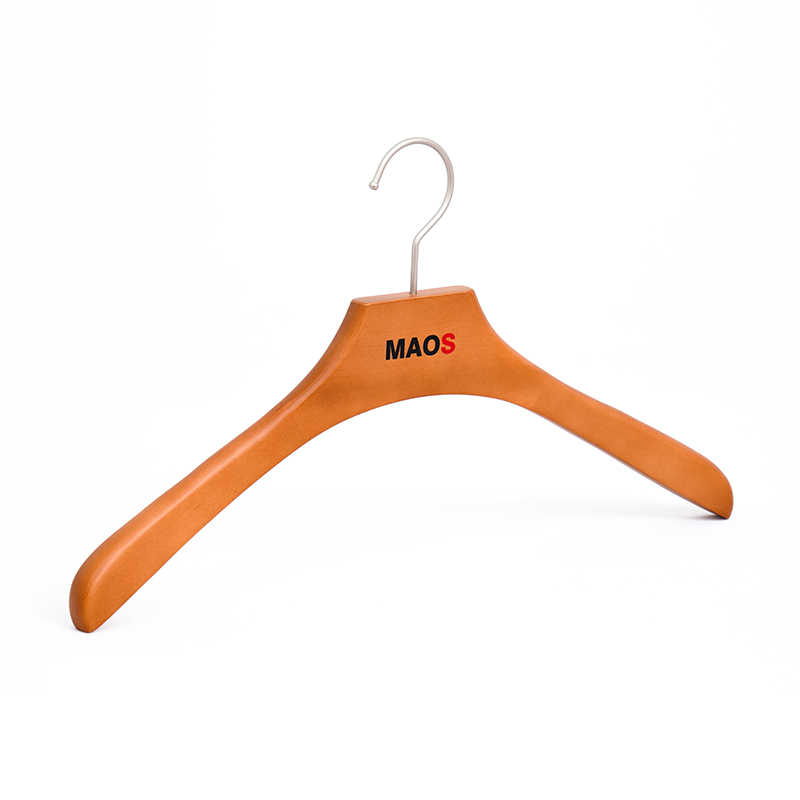
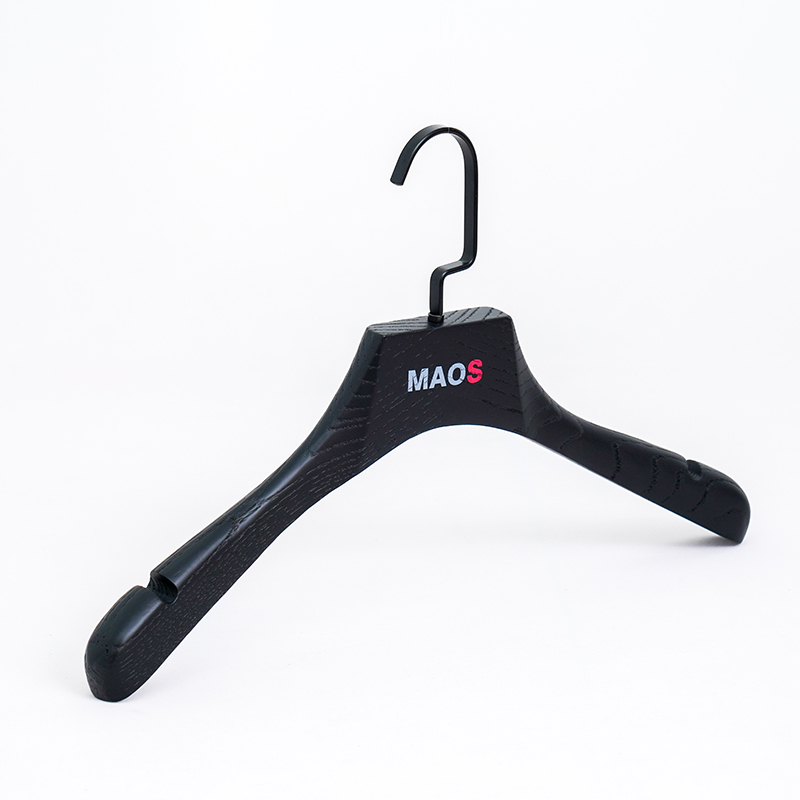
Hanger geometry controls how evenly weight is transferred from the garment to the wardrobe rail. Narrow shoulders can create pressure points and may cause jackets or coats to lose their shape, while excessively wide hangers can stretch smaller garments. For structured clothing, I look for shaped shoulders, a smooth transition from the neck to the arm area, and a width that supports the garment without extending beyond its seams.
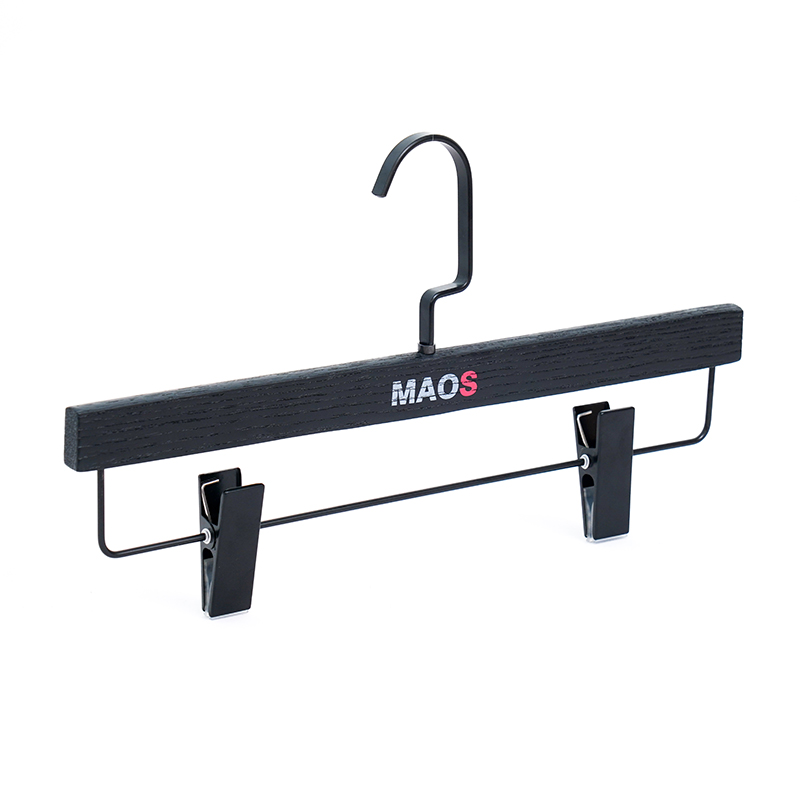
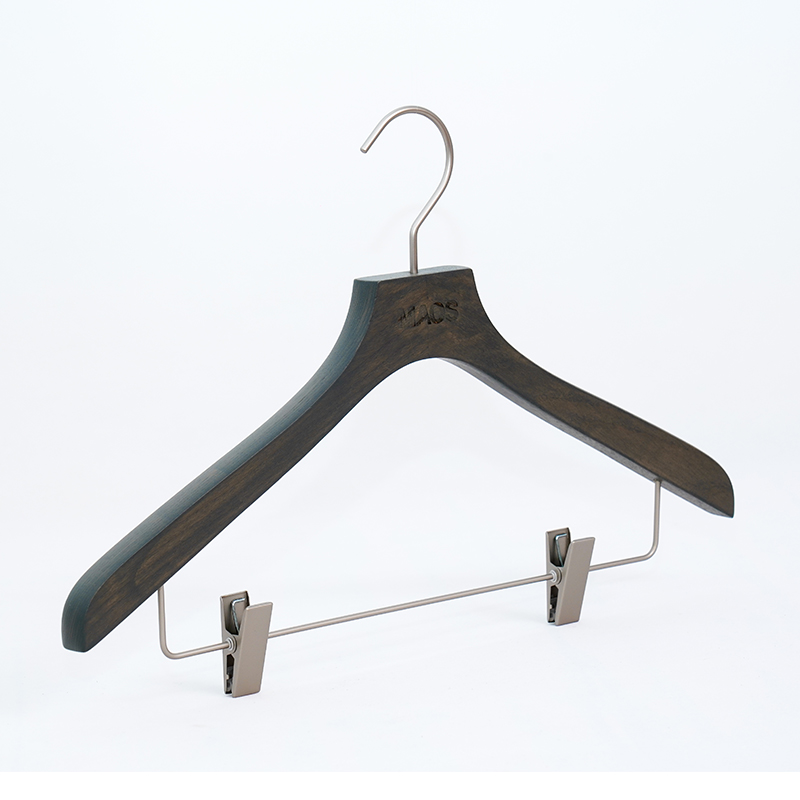
A straight bar can work for trousers, skirts, and some lightweight items, but it may not provide enough shoulder support for tailored clothing. Clips can increase function, although the clip force and contact surface should be checked to prevent marks or fabric compression. Non-slip coatings, rubber inserts, foam, or textured surfaces can improve garment retention, but every added material should be tested for color transfer, adhesion, and long-term cracking.
3. Inspect construction quality and stress points
The most important areas are the hook connection, shoulder bends, welded or joined sections, trouser bar, clips, and any logo plate. I inspect whether the hook is centered, whether the frame returns to its original shape after moderate loading, and whether the joints show visible gaps, sharp burrs, discoloration, or incomplete finishing. A hanger can have a polished appearance while still having a weak connection hidden beneath the finish.
For large purchases, I recommend a sample approval process with documented measurements. Measure hanger width, wire or tube diameter, wall thickness, hook opening, total weight, and coating thickness where relevant. Then repeat the measurements across several samples to identify production variation before approving mass production.
4. Choose corrosion-resistant aluminium clothes hangers for the environment
Aluminium does not behave like untreated carbon steel, but it is not immune to surface damage or environmental staining. Humidity, salt exposure, detergents, sweat, and contact with dissimilar metals can affect appearance and surface performance over time. For bathrooms, coastal homes, laundries, spas, hotels, and garment-care facilities, I prefer a sealed, anodized, powder-coated, or otherwise specified finish with defined inspection requirements.
Anodized aluminium clothes hangers can offer a harder surface and consistent color when the anodizing process is controlled. However, the buyer should still ask about coating thickness, adhesion, color tolerance, edge coverage, and resistance to rubbing. A finish that looks uniform on a sample may reveal weak coverage at bends, hooks, drilled holes, or welded areas if production control is inadequate.
5. Check smooth edges and fabric contact surfaces
Every surface that touches clothing should be free from burrs, sharp corners, exposed wire ends, and rough welds. I run a clean fabric test across the shoulders, hook transition, bar, and clips to identify snagging risks. For delicate garments such as silk, satin, knitwear, and fine wool, a smooth aluminium frame alone may not be enough; padded or coated contact zones may be more suitable.
The finish should also resist flaking and transfer. A dark coating that rubs onto light clothing is a practical failure even if the frame remains structurally intact. I therefore ask for abrasion checks, contact tests, or sample-use feedback before approving a finish for retail or hospitality applications.
Step-by-Step Selection Method
Step 1: Classify the garments
I divide garments into four groups: light shirts and blouses, medium-weight trousers and dresses, structured jackets and suits, and heavy coats or uniforms. Each group requires a different combination of width, shoulder contour, bar design, and load capacity. This classification prevents buyers from using a slim decorative hanger for a garment that needs broad structural support.
For heavy coats and suits, I prioritize a wider shoulder profile, reinforced hook area, firm frame, and a working-load specification supported by testing. For delicate clothing, I give greater weight to smooth edges, non-slip contact surfaces, clip design, and the absence of pressure points.
Step 2: Compare aluminium with other hanger materials
Aluminium is lighter than steel and generally easier to handle in large wardrobes. Steel can provide higher stiffness at a similar profile but may weigh more and requires stronger corrosion protection where moisture is present. Wood offers a rigid, broad shoulder form and a traditional appearance, although it can occupy more space and may require closer control of surface finish and moisture exposure.
Plastic hangers are usually economical and lightweight, but thin designs can deform under heavy garments, while brittle formulations may crack in cold or high-stress conditions. Wire hangers use little material and occupy minimal space, but their narrow profile can create shoulder marks and their bends may deform under repeated loading. Velvet hangers provide strong friction and slim storage, but the surface can wear, collect lint, or become unsuitable for wet environments.
| Material | Main strength | Main limitation | Suitable applications |
|---|---|---|---|
| Aluminium | Low weight, corrosion resistance, modern appearance | Can bend if thin or poorly supported | Shirts, suits, retail, hotels, humid wardrobes |
| Steel | High stiffness and load potential | Higher weight; coating is important | Heavy coats, uniforms, industrial storage |
| Wood | Rigid shoulder support and premium visual form | Bulkier and moisture-sensitive if unfinished | Suits, coats, retail displays |
| Plastic | Low unit cost and broad design range | May deform or crack depending on formulation | Everyday garments, volume storage |
| Wire | Minimal material and compact profile | Limited shoulder support and bending resistance | Temporary use, laundries, lightweight items |
| Velvet | High friction and slim profile | Surface wear and lint retention | Blouses, dresses, small closets |
Step 3: Evaluate the storage environment
A dry bedroom has different requirements from a commercial laundry or coastal hotel. In humid conditions, I specify corrosion-resistant aluminium clothes hangers, sealed finishes, smooth drainage-friendly geometry, and packaging that prevents trapped moisture during transport. I also check whether detergents, disinfectants, steam, or salt air will contact the hanger regularly.
Temperature changes can affect coatings, adhesives, and plastic components attached to aluminium frames. If the hanger includes clips, rubber tips, foam, or non-slip inserts, I request information about their operating range and resistance to repeated handling. Environmental suitability is not limited to the aluminium itself; every attached component must remain functional.
Step 4: Request supplier evidence
A supplier should be able to provide a sample, dimensional drawing, material description, packaging specification, and test information. For commercial programs, I ask about minimum order quantities, sample charges, tooling costs, logo methods, color matching, lead time, inspection stages, and replacement procedures. Mao’s describes a production process that includes design briefs, engineering drawings, sample making, sample approval, and mass production, which aligns with the staged approval process I prefer for customized orders.
I also compare the supplier’s ability to manufacture multiple hanger types. A company producing aluminium, steel, wood, plastic, fabric, and coated hangers may be useful when a hotel, retailer, or laundry needs different products for guest rooms, uniforms, suits, trousers, and display areas. The decision should still be based on measurable specifications and approved samples rather than supplier range alone.
How Do You Choose Durable Aluminium Clothes Hangers?
To choose durable aluminium clothes hangers, I first match the hanger’s tested working load and width to the heaviest garment, then verify alloy or material specification, tube or wire thickness, joint construction, surface finish, and edge smoothness. I next test a production sample with representative clothing and inspect it after repeated loading. For commercial orders, I add minimum order quantity, customization limits, packaging, warranty terms, quality inspection, and replacement cost to the comparison.
A simple decision matrix can make the process faster:
| Buyer priority | Recommended specification |
|---|---|
| Small closet and light garments | Slim profile, 38–42 cm width, smooth finish, low unit weight |
| Suits and jackets | 43–46 cm shaped shoulders, reinforced hook, tested working load |
| Heavy coats | Larger section, broad shoulder support, higher tested load, stable base |
| Humid climate | Anodized or sealed finish, corrosion inspection, non-corrosive accessories |
| Hotel or laundry use | Repeatable dimensions, easy cleaning, bulk packaging, replacement availability |
| Retail display | Consistent finish, logo customization, approved color standard, visual uniformity |
Are Aluminium Hangers Durable, and Do They Bend or Rust?
Aluminium hangers can provide long service when their section size, joints, finish, and load rating match the application. They are less likely to develop the red rust associated with untreated carbon steel, but surface oxidation, staining, coating damage, and galvanic effects can still occur in harsh environments. Thin aluminium wire or tubing can bend if overloaded, repeatedly flexed, or supported at a poorly designed joint.
The practical answer is to judge the complete product rather than the material name. A thick, well-finished aluminium frame can outperform a poorly designed steel or plastic hanger, while an ultra-thin aluminium hanger may be unsuitable for coats. Buyers should request deformation limits, load duration, sample inspection records, and clear guidance on the intended garment category.
Lifecycle Value and Total Cost of Ownership
The lowest purchase price is not always the lowest operating cost. I calculate total cost of ownership by adding the unit price, shipping, packaging, customization, storage, expected replacement rate, damaged-garment risk, and labor required to remove failed hangers. A hanger costing 30 percent more but lasting twice as long may reduce annual replacement spending, especially in hotels, retail stores, and laundries.
I also consider recyclability and material separation. Aluminium has a strong recycling advantage when the frame is easy to separate from coatings, foam, rubber, or mixed-material accessories. A supplier’s warranty, replacement policy, quality-control process, and ability to reproduce the same design can affect lifecycle value as much as the initial quotation.
For Mao’s, the available company information describes an operation established in 1993, with five factories, nearly 400 employees, and production covering several hanger categories. Those details may be relevant to buyers seeking customized or multi-material programs, but I would still verify current specifications, sample performance, order quantities, and commercial terms for the exact aluminium design under consideration.
Final Thoughts
The most reliable Tips For Durable Aluminium Clothes Hanger Selection are to verify material quality, aluminium hanger load capacity, thickness, shape, width, joint construction, surface finish, edge smoothness, and intended environment before ordering. Aluminium is a useful choice when low weight, corrosion resistance, clean appearance, and long-term wardrobe organization matter, but it must be engineered for the garment load rather than selected by appearance alone.
For a household purchase, begin with garment classification and hanger width, then inspect a sample for bending, snagging, coating transfer, and shoulder support. For hotels, laundries, retailers, and small businesses, request a full supplier checklist covering alloy, tube or wire thickness, anodizing, load testing, minimum order quantities, customization, warranty, packaging, and replacement terms. This process gives me a clearer basis for comparing aluminium with steel, wood, plastic, wire, and velvet alternatives while controlling lifecycle cost and garment risk.