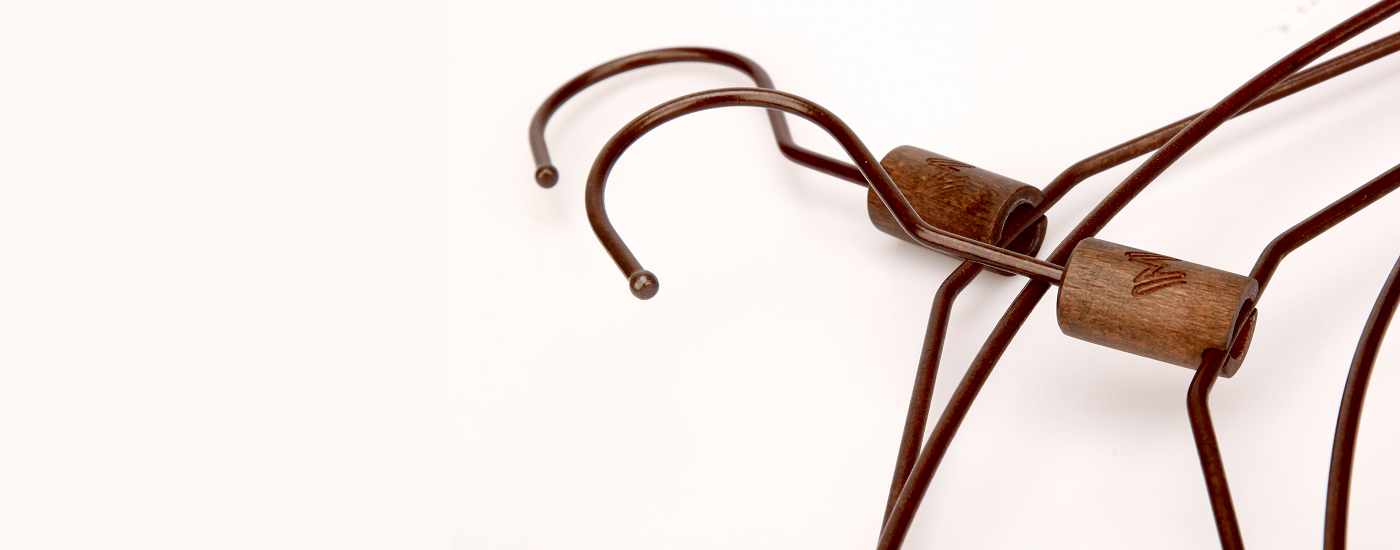
Tips For Laundry Business Aluminium Hangers
Nov. 10, 2026
Tips For Laundry Business Aluminium Hangers begin with matching the hanger to the garment, workload, and handling process. I recommend assessing garment categories, hanger width, load requirements, corrosion exposure, storage space, and replacement rates before placing a bulk order. A suitable aluminium hanger system can improve commercial laundry garment organization, reduce slipping and deformation, and make customer orders easier to identify. It can also create problems if the wire is too thin, the hook is poorly formed, or the finish transfers residue to clothing.
In this guide, I explain how to implement aluminium hangers in dry cleaners, wash-and-fold services, hotels, laundromats, uniform rental operations, and garment factories. I also compare aluminium with steel, plastic, galvanized, PVC-coated, and powder-coated alternatives. The goal is to give you a practical purchasing and operating method rather than a generic product description.
Key Takeaways
- Match hanger width and structure to garment shoulders, fabric weight, and daily handling volume.
- Check alloy, wire or tube thickness, hook construction, notches, finish, and load-test records before purchasing.
- Use aluminium for corrosion-sensitive workflows, but compare bending risk and lifecycle cost against steel.
- Separate clean, active, damaged, and replacement stock to improve hanger inventory management.
- Request samples, batch specifications, packaging details, and repeat-supply terms before approving bulk clothing hangers.
What You Need Before Starting
Before introducing an aluminium cloth hanger system, I would collect five types of operating data: garment count, garment categories, peak daily volume, average storage time, and current hanger loss or damage. I would also measure the rails, carts, racks, delivery vehicles, and storage shelves where the hangers will be used. These details determine whether a 38-centimeter, 42-centimeter, or 45-centimeter hanger is appropriate and whether the hook shape will fit existing equipment.
Prepare a simple garment profile for shirts, jackets, trousers, dresses, uniforms, coats, and delicate items. Record the approximate weight of each category when dry and when temporarily damp during processing. This helps prevent a light hanger from being assigned to a heavy suit jacket or a narrow hanger from distorting a broad shoulder line.
I also recommend creating a basic purchasing file that includes supplier specifications, approved samples, carton quantities, replacement terms, inspection results, and reorder dates. Mao's offers several hanger categories, including aluminium, metal, PVC-coated metal, foam-wrapped metal, plastic, fabric, and wooden models, so a business can compare materials according to the garment process instead of treating every order as a single hanger type.
A Practical Aluminium Hanger Implementation Plan
1. Map the Laundry Workflow Before Choosing a Hanger
First, follow one garment from intake through cleaning, finishing, inspection, storage, and collection or delivery. Identify where garments are most often placed on hangers, removed, transferred between rails, or packed into vehicles. In a dry-cleaning shop, the hanger must support tagging, pressing, protective covering, and customer pickup. In a hotel laundry, the priority may be rapid sorting and repeated movement between large carts and storage rails.
For wash-and-fold operations, hanging may be limited to shirts, uniforms, dresses, and premium garments. For uniform rental companies, the hanger may remain with the garment through repeated issue-and-return cycles, making hook strength, finish durability, and batch consistency more important. Garment factories may require hangers for inspection and display rather than long-term customer storage.
Create separate hanger zones for incoming garments, garments awaiting cleaning, finished garments, customer orders, and damaged stock. This arrangement supports commercial laundry garment organization because staff can identify the status of an order from its location and label rather than moving every garment repeatedly.
2. Match the Hanger to Garment Type and Width
The right hanger size should support the garment shoulders without pushing them outward or allowing them to collapse inward. I generally treat width as a starting specification, then confirm the fit with physical samples. Narrow shirts, children’s garments, and lightweight blouses may require smaller profiles, while jackets, coats, uniforms, and structured suits need wider shoulder support.
A hanger with a trouser bar or clips may be suitable for suits, uniforms, and coordinated orders. Notches can help retain straps, but their edges must be smooth and accurately formed. For delicate fabrics, I would avoid sharp corners, rough welds, exposed burrs, and aggressive clips that can mark silk, satin, fine knits, or polished synthetic materials.
| Business type | Typical priority | Hanger characteristics to evaluate |
|---|---|---|
| Dry cleaner | Shape retention and order presentation | Wide shoulder support, smooth finish, trouser bar, secure hook |
| Wash-and-fold service | Speed and simple sorting | Light-to-medium structure, consistent size, easy rail loading |
| Uniform rental company | Repeated handling and return cycles | Strong hook, tested load capacity, durable surface, batch consistency |
| Hotel laundry | High-volume movement | Cart compatibility, stack efficiency, corrosion resistance, clear identification |
| Laundromat | Flexible garment handling | Mixed sizes, practical cost, easy replacement, non-slip options |
| Garment factory | Inspection and presentation | Accurate dimensions, stable shape, clean finish, customization options |
3. Check Aluminium Specifications Before Approving Samples
Aluminium is light and naturally resistant to many common forms of corrosion, but not every aluminium hanger has the same strength. I would request the alloy designation, wire or tube diameter, wall thickness if tubing is used, hook construction, weld method, surface finish, and declared load-testing procedure. A supplier should be able to explain whether the product is made from solid wire, formed tube, flat strip, or a mixed construction.
The hook deserves special attention because it receives repeated pulling and twisting during rail loading. Check whether the hook is formed from one continuous piece, welded to the body, or attached through another connection. Inspect the hook opening, neck transition, weld area, and rotational stability. A hanger that looks straight in a sample may still fail during use if the hook neck is weak or the connection varies between batches.
The surface should be free from burrs, loose coating, sharp edges, oil residue, and discoloration that could transfer to clothing. For non-slip aluminium hangers, ask what material is used on the shoulder line, bar, or clips and whether it remains stable after cleaning chemicals, heat, and repeated contact with garment coverings.
4. Compare Aluminium with Steel and Other Hanger Materials
Aluminium is usually lighter than steel, which can reduce rail and cart weight during repeated movement. The trade-off is that aluminium can bend more easily if the cross-section is too small or if staff overload the hanger. Steel generally provides greater stiffness at comparable dimensions, but untreated steel may rust in humid laundry environments and may increase handling weight.
Plastic hangers resist moisture and can be economical for selected garments, but their performance depends on polymer type, thickness, temperature exposure, and design. Galvanized steel offers a protective zinc layer, while PVC-coated and powder-coated hangers add a surface barrier that can improve garment contact and reduce direct metal exposure. These coatings can wear, crack, or separate if the product is repeatedly bent or exposed to unsuitable chemicals.
| Factor | Aluminium | Steel | Plastic | Galvanized or coated metal |
|---|---|---|---|---|
| Weight | Generally low | Generally higher | Low to medium | Medium to high |
| Bending risk | Depends strongly on thickness and shape | Usually lower at comparable dimensions | Can deform under heat or load | Depends on core metal and coating |
| Corrosion concern | Usually moderate to low, but finish matters | Higher when unprotected | Does not rust, but may age or crack | Protection depends on coating condition |
| Garment safety | Good with smooth forming and finish | Good if burr-free and protected | Good when edges are rounded | Good when coating remains intact |
| Lifecycle cost | Depends on durability and replacement rate | May last longer under heavy loads | Often economical for light use | Can balance protection and stiffness |
5. Verify the Supplier and Plan Inventory
When I evaluate bulk clothing hangers for businesses, I request a written quotation that separates product price, customization, packaging, inspection, shipping terms, and replacement policy. The quotation should state the exact hanger dimensions, material, finish, carton quantity, sample status, minimum order quantity, production schedule, and acceptable tolerance. I would also ask how the supplier handles repeat orders when the same dimensions and finish must be maintained six or twelve months later.
A useful supplier quotation template includes these fields:
- Product name and drawing number
- Alloy or material specification
- Wire diameter, tube diameter, or wall thickness
- Overall width, height, hook opening, and bar position
- Surface treatment and color reference
- Load-test method and test result
- Packaging quantity and carton dimensions
- Sample approval date and batch inspection process
- Minimum order quantity and reorder quantity
- Production lead time and replacement terms
- Custom logo, label, clip, or anti-slip accessory options
Mao's describes an integrated design, production, and sales operation and lists aluminium hangers alongside metal, PVC-coated, foam-wrapped, plastic, fabric, and wooden products. For a buyer, the practical value of this product range is the ability to compare materials under one purchasing process. I would still approve a physical sample and define measurable acceptance criteria before committing to a recurring order.
How to Store and Manage Aluminium Hangers
Storage should prevent bending, contamination, and unnecessary handling. I recommend using vertical racks or clearly divided horizontal shelves instead of placing loose hangers in deep cartons where staff must pull from the bottom. Store unused hangers in a dry, clean area away from bleach, concentrated detergents, acids, and standing water. Keep cartons off the floor to reduce moisture exposure and packaging damage.
Separate hangers by size, type, and condition. A simple four-zone system can include available stock, issued stock, quarantine stock, and recyclable or disposable stock. Count each zone at a fixed interval, such as weekly for small laundries or daily for high-volume operations. A reorder point can be calculated from average weekly use, supplier lead time, and a defined safety quantity.
For a small laundry business, I would begin with a measured quantity based on the number of garments hung at peak capacity rather than buying an arbitrary number. Add allowances for garments in transit, damaged hangers, seasonal demand, and delayed returns. If 800 garments are normally hung and 10 percent are in movement or replacement rotation, the operating quantity would need to exceed 800 by approximately 80 hangers before considering additional seasonal stock.
How to Prevent Slipping, Bending, and Garment Damage
Slipping is usually caused by a mismatch between garment material and hanger contact design. Use notches, clips, trouser bars, rubberized accessories, or PVC-coated contact areas when the garment requires extra retention. Staff should place the garment evenly across both shoulders and avoid hanging wet or unusually heavy items on a model intended for lightweight clothing.
Bending often results from overloading, side pressure in crowded rails, or repeated twisting during transfer. Set a practical load limit for each hanger type and train staff not to force a garment onto a smaller profile. Supervisors should remove any hanger that is visibly twisted, has a stretched hook, shows a cracked coating, or has a sharp edge.
Garment damage prevention also depends on rail density. When garments are packed too closely, staff pull several hangers at once, creating pressure on hooks and shoulder frames. Leave enough working space for inspection and order retrieval, especially for jackets, dresses, and garments with protective covers.
Cleaning and Maintenance Routine
Aluminium hangers should be inspected and cleaned according to the chemicals used in the facility. For routine cleaning, I would use a soft cloth and a mild, compatible detergent, followed by clean-water wiping and complete drying. Avoid leaving concentrated chlorine, strong alkaline products, acidic cleaners, or solvent residues on the surface unless the supplier has confirmed compatibility.
A maintenance checklist can include hook alignment, weld or joint condition, wire or tube deformation, surface finish, burrs, notches, clips, non-slip sections, and identification labels. Record rejected quantities by batch so that recurring failures can be traced to a supplier, a handling stage, or a chemical exposure issue. This turns maintenance from an informal visual check into a measurable part of hanger inventory management.
For high-volume operations, perform a sample inspection at the start of each shift and a fuller count at the end of the week. The inspection frequency should increase when the hanger is used for heavy uniforms, coats, or repeated rental cycles. Any batch with inconsistent dimensions or abnormal bending should be isolated until the cause is confirmed.
!
Are Aluminium Hangers Better Than Plastic Hangers for Commercial Laundry Use?
Neither material is automatically better for every laundry business. Aluminium is a practical choice when low weight, metal stability, corrosion resistance, and a clean professional appearance are important. Plastic may be more suitable for basic garment sorting, humid storage, or operations that need a lower initial unit cost and do not place heavy loads on the hanger.
I would choose aluminium for jackets, uniforms, customer-facing garment pickup, and workflows requiring repeated rail movement when the specification provides adequate stiffness. I would consider plastic for lightweight shirts, temporary sorting, and facilities where moisture exposure is constant but garment presentation is less important. The correct decision should compare purchase price, replacement rate, garment damage, staff handling time, and disposal or recycling requirements over the expected service period.
Final Operating Checklist
Before placing an order, confirm the garment categories, hanger width, load requirements, rail dimensions, storage method, and peak inventory level. Then verify the alloy or material, wire or tube thickness, hook construction, notches, surface finish, non-slip components, packaging, inspection standards, and repeat-supply terms. Approve a sample under actual laundry conditions instead of judging the hanger only by appearance.
After installation, label storage zones, train staff on load limits, record damaged units, and review inventory at a fixed interval. Compare aluminium with steel, plastic, galvanized, PVC-coated, and powder-coated options when the workflow changes or when replacement costs increase. This process gives me a clearer basis for selecting aluminium hangers for dry cleaning businesses, hotels, laundromats, uniform services, and garment factories.
Conclusion
Tips For Laundry Business Aluminium Hangers are most useful when they are applied as an operating system rather than a single product purchase. I recommend starting with workflow mapping, then matching hanger width and structure to each garment category, checking measurable aluminium specifications, validating supplier documents, and planning storage and replacement quantities. This sequence reduces bending, slipping, garment damage, and avoidable purchasing errors.
For a small laundry, a mixed hanger system may control costs by reserving aluminium models for customer-facing, structured, or frequently moved garments. For a high-volume operation, the focus should shift toward load testing, batch consistency, corrosion resistance, supplier continuity, and documented inspection. By applying these Tips For Laundry Business Aluminium Hangers, I can select the appropriate aluminium cloth hanger, maintain it correctly, and calculate its real value through durability, handling efficiency, garment protection, and total lifecycle cost.