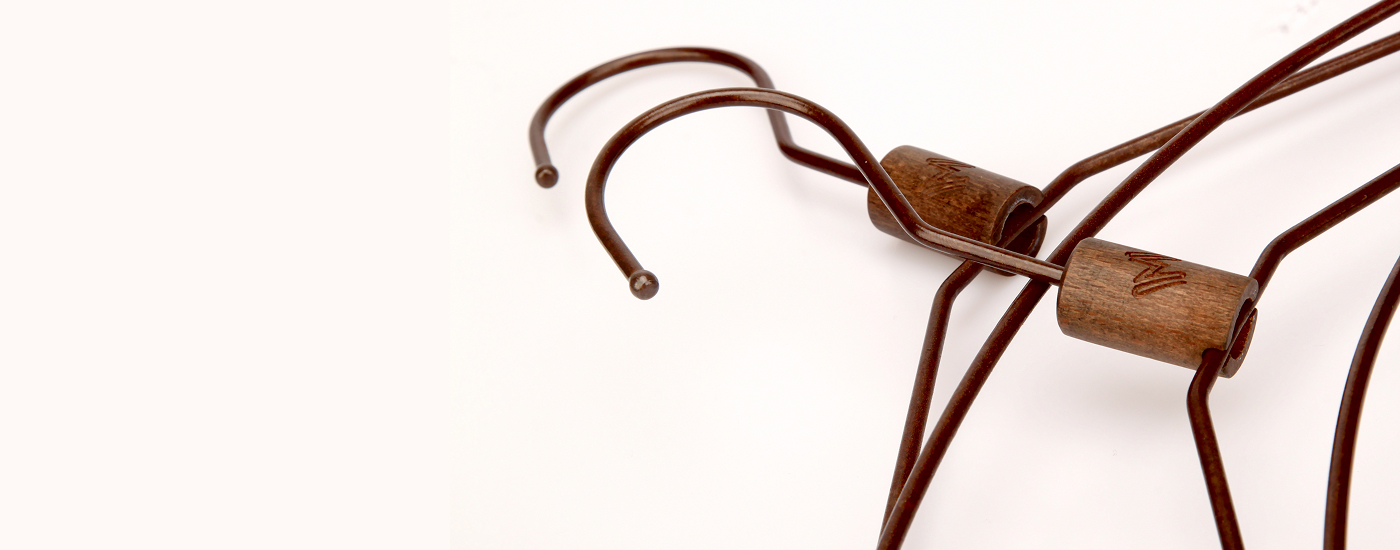
What Are Aluminium Hangers Used For
Sep. 14, 2026
If you are asking What Are Aluminium Hangers Used For, the simple answer is: they are lightweight, corrosion-resistant hanging components used to support, organize, display, or dry garments and textile products in commercial and industrial settings. In business, this matters because the right hanger system can improve product presentation, reduce damage, save storage space, and increase operational efficiency. For apparel brands, laundries, hotels, and garment factories, an aluminium cloth hanger offers a durable, reusable, and precision-made solution that supports daily workflow and long-term cost control.
What Are Aluminium Hangers Used For in Daily and Industrial Applications?
Aluminium hangers are used anywhere a strong but lightweight hanging solution is needed. Unlike basic plastic alternatives, aluminium offers better structural stability, higher load-bearing performance, and resistance to rust in humid environments. This is why What Are Aluminium Hangers Used For is not just a style question—it is a practical sourcing and operations question.
Common uses include:
- Hanging shirts, coats, uniforms, and suits in retail and wardrobe systems
- Drying garments in laundry and textile processing lines
- Displaying apparel in showrooms and merchandising spaces
- Organizing finished goods in warehouses and garment factories
- Supporting specialty textiles during packing, transport, or inspection
For B2B buyers, an aluminium cloth hanger can also support standardized storage, reduce product deformation, and improve the appearance of a collection before delivery.
Why the Industry Shifted Toward Aluminium
To understand What Are Aluminium Hangers Used For, it helps to look at the industry background. Hangers began as simple utility tools, but as garment supply chains became more global and quality-driven, manufacturers needed components that could handle repeated use, moisture, and high-volume handling.
Aluminium became popular because it combines:
- Low weight for easier handling
- Excellent corrosion resistance
- Good recyclability for sustainability programs
- Compatibility with precision forming and surface finishing
In modern manufacturing, suppliers like Mao's use controlled production methods to achieve tight tolerances, often with precision up to 0.01mm in key forming dimensions. This level of accuracy helps ensure consistency in batch production, especially when clients require uniformity across thousands of units.
What Are Aluminium Hangers Used For in Real Business Operations?
The practical value of an aluminium cloth hanger becomes clearer when you look at how it affects everyday operations.
1. Apparel presentation
Retail stores and fashion brands use aluminium hangers to create a clean, premium display. A well-finished hanger helps garments keep their shape and improves shelf or rack appearance.
2. Laundry and hospitality
Hotels, dry-cleaning services, and commercial laundries need hangers that withstand humidity and repeated cycles. Aluminium performs well in wet or steam-heavy environments.
3. Manufacturing and quality inspection
Factories use hangers during finishing, sorting, and packing. The hanger supports workflow efficiency and helps prevent creasing or misalignment before shipping.
4. Storage and logistics
In warehousing, a durable hanger system helps organize inventory, reduce mix-ups, and simplify order fulfillment.
Here, What Are Aluminium Hangers Used For becomes a question of process optimization. A better hanger can reduce rework, improve product handling, and support a more professional supply chain.
Key Technical Advantages of Aluminium Cloth Hanger Products
A high-quality aluminium cloth hanger is not just a metal substitute. It is an engineered product with measurable performance benefits.
| Feature | Business Value | Typical Quality Control |
|---|---|---|
| Lightweight structure | Easier handling and lower labor fatigue | Weight consistency checks |
| Corrosion resistance | Better performance in humid environments | Salt spray testing |
| Dimensional accuracy | Stable fit and uniform appearance | Precision to 0.01mm |
| Surface finish | Better presentation and reduced scratching | Visual and coating inspection |
| Recyclability | Supports sustainability goals | Material traceability |
For buyers comparing suppliers, What Are Aluminium Hangers Used For should also include a quality assurance lens. Reputable manufacturers often apply 100% inspection on appearance, weld points, and surface defects to help ensure consistency before shipment.
Common Misconceptions About Aluminium Hangers
Many buyers assume all hangers are basically the same. That is one of the biggest errors in procurement.
Misconception 1: “Aluminium hangers are only for clothing display”
Not true. They are also used in laundry operations, storage systems, packing lines, and industrial garment handling.
Misconception 2: “Aluminium is too soft for daily use”
In reality, properly designed aluminium hangers can deliver strong performance when alloy selection, thickness, and forming process are controlled correctly.
Misconception 3: “Any hanger will do if the price is lower”
Low-cost alternatives may bend, scratch garments, or fail in humid conditions. Over time, this increases replacement cost and operational inefficiency.
Misconception 4: “All suppliers offer the same quality”
This is false. Manufacturing standards vary widely. Professional suppliers will reference testing systems such as ASTM, DIN, or comparable internal QC protocols to validate consistency, finish, and mechanical performance.
So when people ask What Are Aluminium Hangers Used For, the real answer includes both function and quality control.
How Mao’s Supports Reliable Aluminium Cloth Hanger Supply
As a specialist manufacturer, Mao's focuses on production stability, material consistency, and export-ready quality management. For buyers, that means less risk and better repeatability.
Typical supply advantages include:
-
Precision manufacturing
- Controlled forming and finishing
- Tight dimensional management up to 0.01mm where required
-
Inspection process
- 100% inspection for visible defects and key quality points
- Batch-level verification for consistency
-
Standards-based testing
- Material and performance validation aligned with ASTM or DIN requirements where applicable
-
Fast communication
- Many B2B projects require a 24-hour response to sampling, quotation, or production questions
This is why businesses searching What Are Aluminium Hangers Used For often end up looking for not only the product, but also a dependable factory partner.
Examples of Aluminium Hanger Use in the Market
To make the use case more concrete, here are a few real-world scenarios.
Example 1: Fashion retail chain
A mid-size apparel brand switched from plastic hangers to an aluminium cloth hanger for premium shirt displays. The result was improved product presentation and fewer hanger breakages during store replenishment.
Example 2: Commercial laundry service
A laundry operator in a humid coastal region needed a hanger that would not rust or deform. Aluminium hangers reduced replacement frequency and improved workflow around sorting and delivery.
Example 3: Garment export warehouse
A factory exporting formalwear used aluminium hangers during packing and final inspection. Because the hangers maintained shape and resisted bending, garments arrived with fewer creases and less handling damage.
These examples show that What Are Aluminium Hangers Used For is best answered through actual business outcomes: less damage, better presentation, and more efficient operations.
How to Choose the Right Aluminium Cloth Hanger
If you are sourcing an aluminium cloth hanger, focus on the following points:
- Alloy grade and material thickness
- Load-bearing requirement
- Surface treatment and finish
- Hook design and compatibility with rail systems
- Corrosion resistance for the working environment
- Inspection standards and production consistency
A reliable supplier should be able to explain these details clearly and provide traceable quality data. If they cannot, that is a warning sign.
What Are Aluminium Hangers Used For in Sustainable Operations?
Sustainability is now a major procurement factor. Aluminium hangers can support circular material use because aluminium is recyclable and durable. That means fewer replacements and less waste over time.
For businesses building ESG-friendly operations, the aluminium cloth hanger is a practical step toward reducing disposable plastic use while maintaining performance.
Final Thoughts on What Are Aluminium Hangers Used For
In simple terms, What Are Aluminium Hangers Used For comes down to reliable hanging, organizing, displaying, and drying of garments in both commercial and industrial settings. Their value is not only in appearance, but also in durability, corrosion resistance, precision, and operational efficiency. When sourced from an experienced manufacturer like Mao's, an aluminium cloth hanger can support better quality control, lower maintenance cost, and more professional product handling.
If you are evaluating hanger options for retail, laundry, storage, or garment production, now is the right time to compare specifications, testing standards, and supplier capability more carefully. For businesses that need consistent performance, aluminium remains a smart and practical choice.
What Are Aluminium Hangers Used For is ultimately a sourcing decision, a quality decision, and a business efficiency decision.