What Are the Best Coat Hangers for Jumpers?
Apr. 13, 2026
Finding the right coat hangers for jumpers is more important than many people realize. Jumpers, sweaters, and knitwear are often made from soft, flexible fabrics that can easily stretch out of shape if they are stored incorrectly. Using the wrong hanger can lead to permanent shoulder bumps, fabric distortion, or sagging.
This is why choosing the best coat hangers for jumpers is essential for maintaining the quality and lifespan of your clothing. Whether you have premium wool sweaters, cashmere knits, or everyday cotton jumpers, proper storage makes a significant difference.
In this article, we will explore the best hanger types, materials, and design features to look for. We will also share practical wardrobe organization tips and answer common questions to help you protect your knitwear.
Why Choosing the Right Coat Hangers for Jumpers Matters
Not all hangers are created equal. Many standard plastic or wire hangers are designed for shirts and coats, not delicate knitwear. When it comes to coat hangers for jumpers, the main concern is preventing deformation.
Here are the key problems caused by using the wrong hanger:
- Shoulder bumps caused by narrow hanger edges
- Stretching due to gravity pulling the fabric down
- Loss of shape in wool or cashmere fibers
- Wrinkles and uneven draping
Good coat hangers for jumpers distribute weight evenly and support the garment’s natural shape. This helps maintain both appearance and fabric integrity over time.
Best Types of Coat Hangers for Jumpers
When choosing the best coat hangers for jumpers, material and design are the two most important factors. Let’s look at the most effective options.
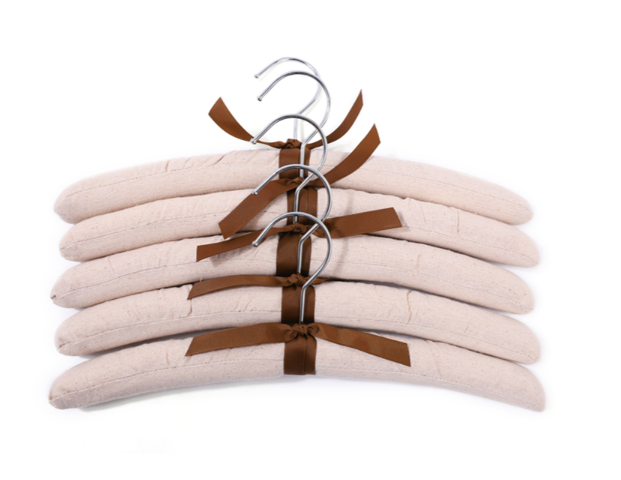
1. Padded Coat Hangers for Jumpers
Padded hangers are one of the best choices for delicate knitwear. They are usually covered with fabric and filled with soft padding.
Benefits:
- Prevent shoulder marks
- Gentle on wool and cashmere
- Ideal for luxury knitwear
These are widely recommended as premium coat hangers for jumpers.
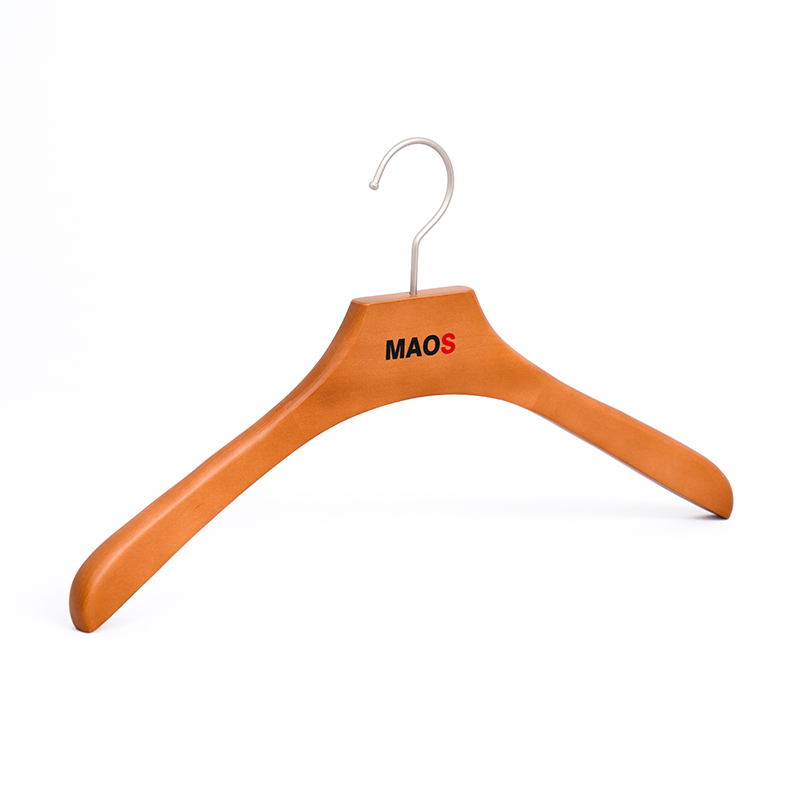
2. Wooden Coat Hangers for Jumpers
Wooden hangers are durable and provide strong support. However, not all wooden hangers are suitable for knitwear.
Look for:
- Wide shoulder design
- Smooth, polished finish
- Non-slip coating or bar
Wooden coat hangers for jumpers are ideal for heavier sweaters.
3. Velvet Coat Hangers for Jumpers
Velvet hangers are thin, lightweight, and non-slip. They are popular for maximizing closet space.
Advantages:
- Prevent garments from sliding off
- Space-saving design
- Soft surface reduces fabric damage
They are a practical option for everyday coat hangers for jumpers.
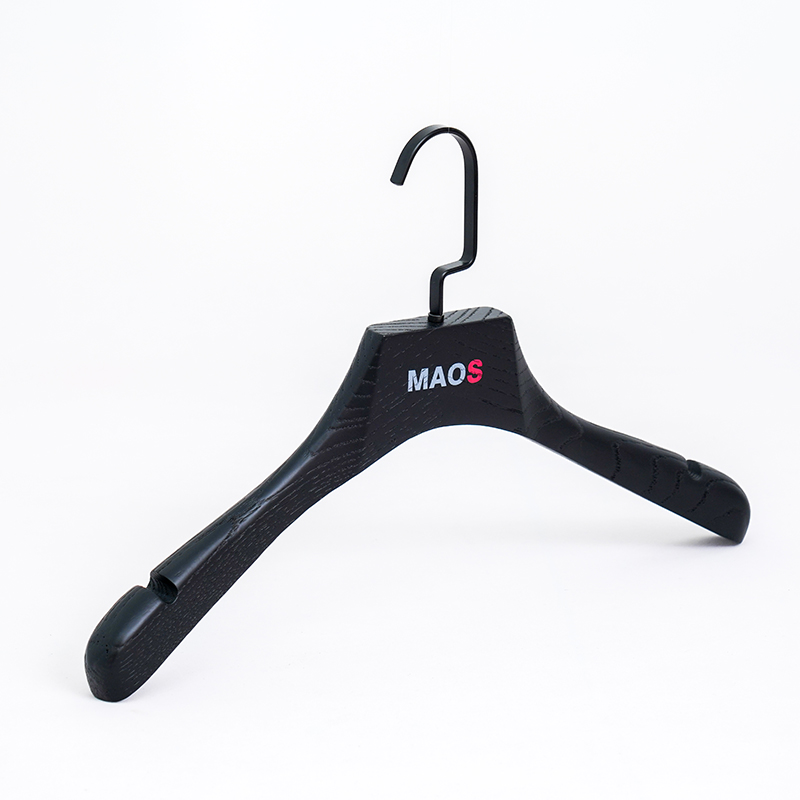
4. Wide Shoulder Hangers
Wide shoulder hangers are specifically designed to support heavier knitwear.
Why they work:
- Distribute weight evenly
- Maintain shoulder structure
- Reduce stretching at the top seam
For people with bulky winter sweaters, this type of coat hangers for jumpers is highly recommended.
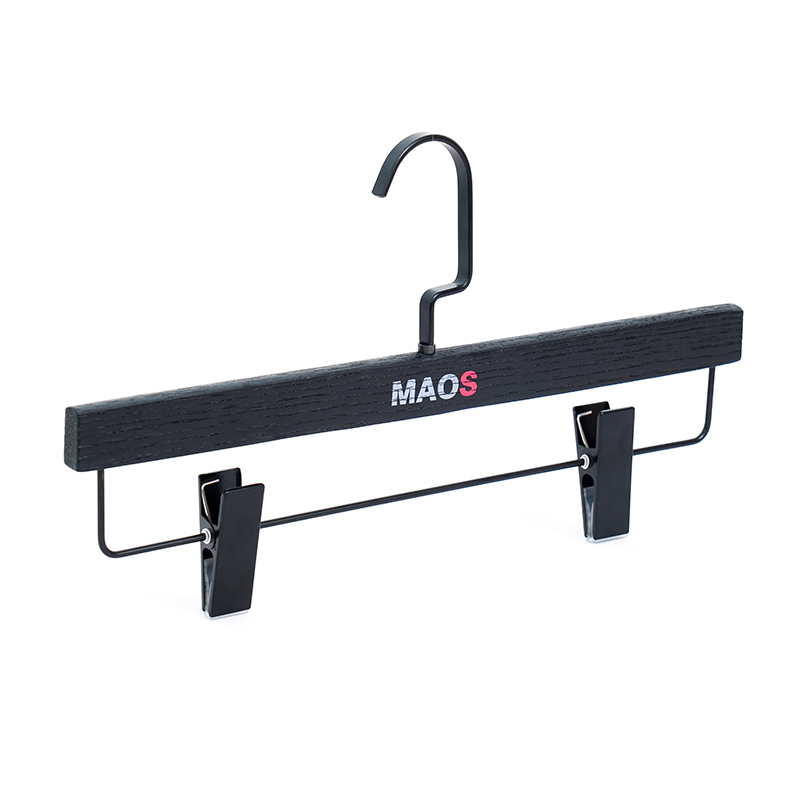
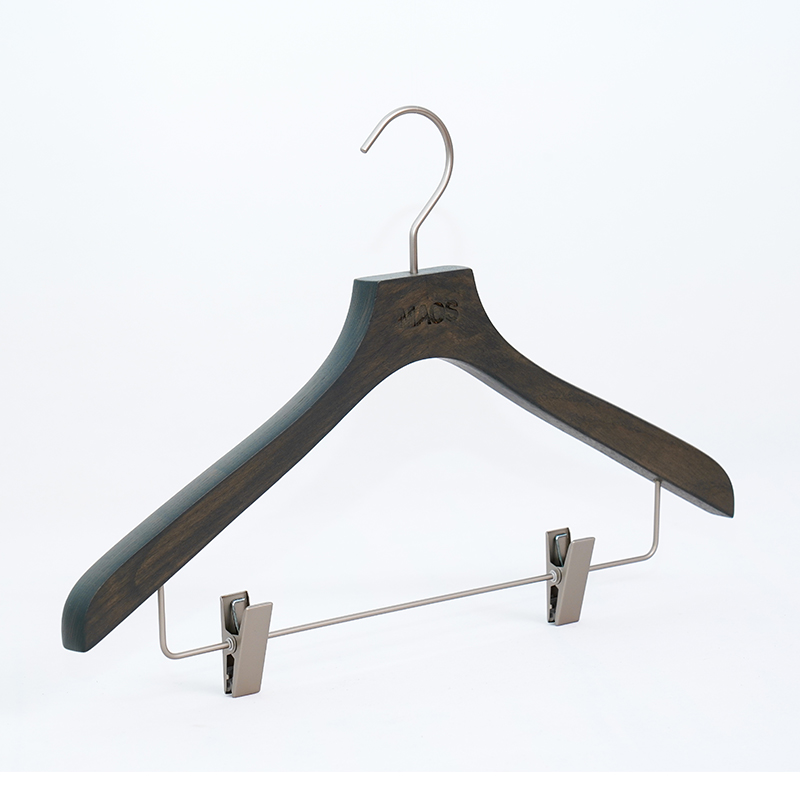
5. Clip Hangers (for Folding Method)
While not traditional hangers, clip systems allow jumpers to be folded and hung from the waist instead of the shoulders.
Benefits:
- Eliminates shoulder stress
- Ideal for heavy knitwear
- Works well for long-term storage
This method is often used in professional wardrobe storage systems.
How to Choose the Best Coat Hangers for Jumpers
When selecting coat hangers for jumpers, consider the following factors:
1. Fabric Type
Different materials require different support:
- Cashmere: padded or velvet hangers
- Wool: wide wooden hangers
- Cotton: velvet or plastic wide hangers
2. Hanger Width
The hanger should match or exceed the shoulder width of the jumper. Narrow hangers are the main cause of deformation.
3. Weight Distribution
Good coat hangers for jumpers distribute weight evenly across the shoulders instead of concentrating it in one point.
4. Non-Slip Surface
A non-slip coating prevents garments from sliding, especially lightweight knits.
Common Mistakes When Using Coat Hangers for Jumpers
Many people unknowingly damage their clothing by using the wrong storage methods.
Mistake 1: Using Thin Wire Hangers
Wire hangers create sharp pressure points that distort knitwear.
Mistake 2: Hanging Heavy Knitwear for Long Periods
Even the best coat hangers for jumpers cannot fully prevent stretching if garments are hung for too long.
Mistake 3: Overcrowding the Closet
Too many garments in one space can compress and deform sweaters.
Mistake 4: Ignoring Fabric Weight
Heavy sweaters require stronger support than lightweight tops.
Alternative Storage Methods for Jumpers
Sometimes, even the best coat hangers for jumpers are not enough for long-term storage. Folding can be a better option.
Shelf Folding Method
- Fold jumpers neatly
- Store flat on shelves
- Stack lightweight items on top
Drawer Storage
- Use drawer dividers
- Keep stacks low to avoid pressure damage
Hybrid Method
Some users combine folding and hanging depending on season and fabric type.
Organizing Your Wardrobe with Coat Hangers for Jumpers
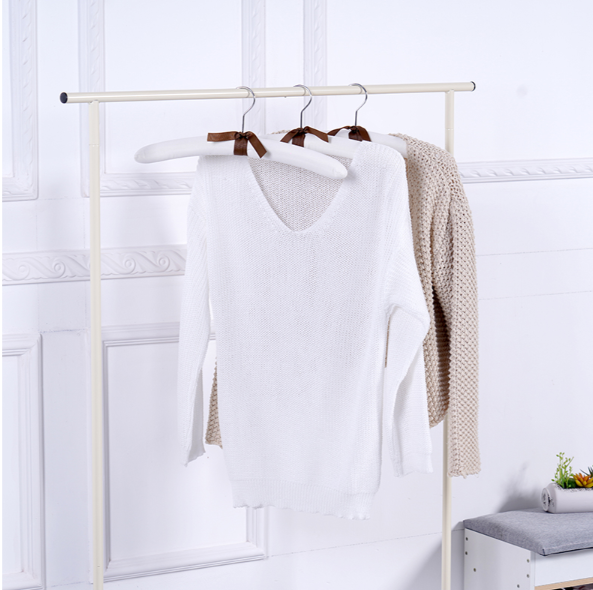
Good wardrobe organization improves clothing lifespan and saves space.
Here are some tips:
- Group knitwear by thickness
- Use consistent hanger types
- Rotate seasonal clothing
- Leave space between garments
High-quality coat hangers for jumpers can make your wardrobe look cleaner and more professional.
Brands like Mao's offer a range of durable hanger solutions that can help maintain wardrobe structure while keeping clothing in good condition.
Environmental and Material Considerations
Sustainable wardrobe choices are becoming more important. Many modern coat hangers for jumpers are now made from eco-friendly materials.
Options include:
- Recycled plastic hangers
- Sustainably sourced wood
- Biodegradable fabric coverings
Choosing durable hangers also reduces waste because they last longer and require fewer replacements.
The brand Mao's also focuses on producing long-lasting hanger designs that reduce unnecessary plastic consumption.
Conclusion
Choosing the right coat hangers for jumpers is essential for protecting your knitwear, maintaining garment shape, and improving wardrobe organization. From padded hangers to wooden and velvet options, each type offers unique benefits depending on your clothing needs.
The key is to match the hanger type with the fabric weight and structure of your jumper. Avoid thin wire hangers and always prioritize support and width.
By investing in high-quality coat hangers for jumpers, you can extend the life of your clothing and keep your wardrobe looking neat and organized.

FAQs
1. What type of hangers are best for sweaters?
The best type of hangers for sweaters are those that provide wide, even support to prevent stretching and shoulder bumps. Padded hangers, wide wooden hangers, and velvet non-slip hangers are generally the top choices. These coat hangers for jumpers help distribute the weight of the fabric more evenly, especially for heavier knits like wool and cashmere. For delicate sweaters, padded hangers are ideal, while thicker sweaters benefit more from sturdy wooden designs. Using the right hanger type ensures your sweaters keep their original shape for a longer time.
2. What's the best way to hang sweaters?
The best way to hang sweaters is to avoid placing all the weight on the shoulder area. One effective method is to fold the sweater in half lengthwise and drape it over a hanger bar instead of using the shoulder hooks. Another option is to use specially designed coat hangers for jumpers with wide or padded shoulders that reduce pressure points. For heavier sweaters, it is often better to store them folded on shelves to avoid stretching. Proper hanging techniques can significantly extend the life of knitwear and maintain its structure.
3. What clothes should not be hung on hangers?
Certain types of clothing should not be hung on standard hangers because they can easily lose shape or stretch. These include heavy sweaters, knit jumpers, cashmere garments, and delicate fabrics like silk or fine wool. Using unsuitable coat hangers for jumpers or thin wire hangers can cause permanent shoulder deformation. Additionally, stretchy items such as T-shirts or jersey dresses may also sag if hung for long periods. In general, anything heavy, soft, or elastic is better folded and stored flat rather than hung to preserve its original fit and quality.