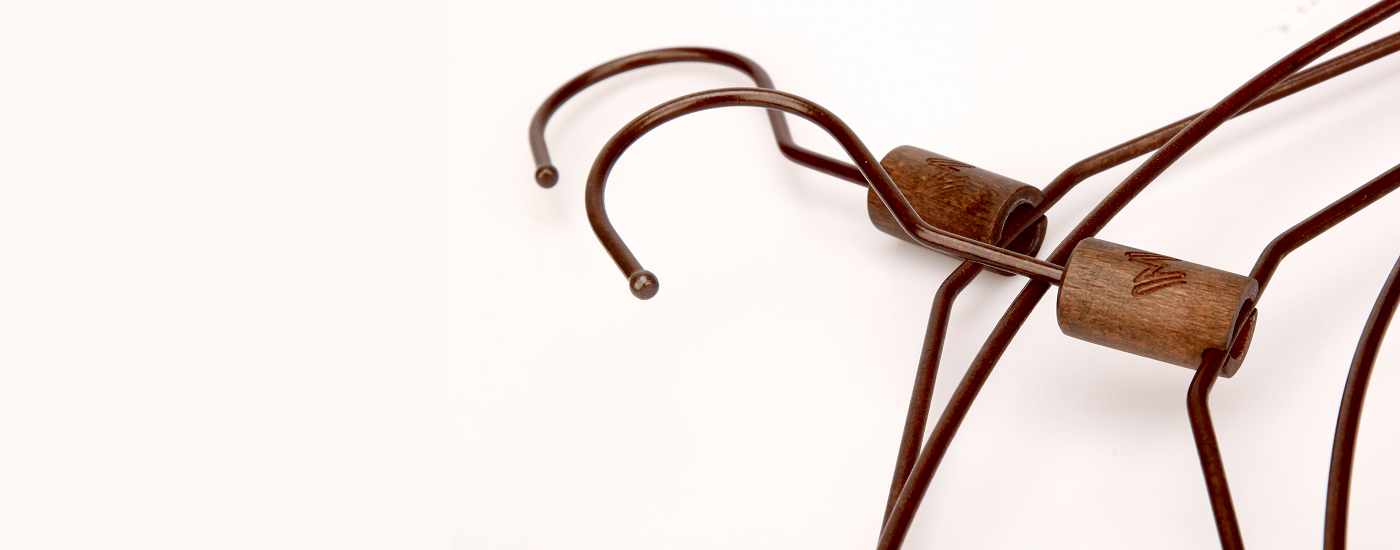
What Is A Fabric Covered Clothes Hanger
Nov. 02, 2026
A fabric covered clothes hanger is a clothes hanger with a wire, plastic, wood, or composite frame wrapped in fabric, padding, or both. The covering softens contact points, increases friction, and helps reduce slipping, shoulder marks, and pressure on delicate garments. Unlike a flocked hanger, which usually has a sprayed or bonded velvet-like synthetic surface, a fabric-covered hanger uses a textile layer that may be sewn, wrapped, quilted, or secured around the frame.
I use the term Fabric Covered Hangers for several related designs, including padded fabric hangers, cloth-covered clothes hangers, and foam-wrapped hangers with a textile finish. Their performance depends on more than appearance: hanger width, shoulder shape, padding thickness, surface grip, hook design, fabric type, and garment weight all affect storage safety. In this guide, I explain how these hangers work, where they are useful, how to make a simple cover, and when another hanger material may be more practical.
!
What Is a Fabric Covered Clothes Hanger and How Does It Work?
A fabric-covered hanger starts with a shaped support frame. The frame may be made from metal wire, molded plastic, wood, or a combination of materials, while the outer layer may contain cotton, polyester, satin, felt, linen, velvet-like fabric, foam, or quilted textile. The cover changes the contact between the garment and the hanger by adding softness and surface friction.
When clothing rests on a bare wire or smooth plastic hanger, the fabric may slide toward the center or fall from the shoulders. A fabric layer creates more resistance, while padding spreads pressure over a wider area. This helps explain how to prevent clothes from slipping off hangers, especially when storing silk, satin, viscose, lightweight knits, or garments with wide necklines.
The hanger does not prevent every type of damage. A narrow hanger can still stretch the shoulder area, thick padding can distort a garment’s drape, and a rough or poorly finished cover can snag loose fibers. I therefore treat the covering as one part of a storage system rather than a substitute for correct sizing and garment support.
Fabric-Covered, Padded, and Flocked Hangers Compared
The terms are often used interchangeably in online shopping, but they describe different construction methods. A fabric-covered hanger generally has a textile layer attached to the frame, while a padded hanger includes foam, batting, or another cushioning material beneath the outer surface. A flocked hanger normally has short synthetic fibers bonded to a rigid frame, creating a suede-like finish without a sewn textile cover.
| Hanger type | Main surface | Typical benefit | Main limitation |
|---|---|---|---|
| Fabric-covered hanger | Sewn, wrapped, or secured textile | Soft contact and decorative finish | May absorb moisture and odors |
| Padded fabric hanger | Textile over foam or batting | Better cushioning and shoulder protection | Takes more closet space |
| Flocked hanger | Bonded velvet-like fibers | Strong grip and slim profile | Surface may shed, wear, or snag some textiles |
| Plastic hanger | Smooth molded plastic | Low cost and easy cleaning | Lower grip on slippery garments |
| Wooden hanger | Finished wood, often with shaped shoulders | Firm support for structured clothing | Heavier and less suitable for very delicate fabrics |
| Wire hanger | Bare or coated metal wire | Compact and inexpensive | Can create sharp pressure points and shoulder distortion |
Why Use a Fabric Covered Clothes Hanger?
I recommend a padded hanger for delicate clothing when the garment needs softer shoulder support, more friction, or a broader contact area than a thin plastic or wire hanger provides. Blouses, dresses, lingerie, vintage garments, bridalwear, and lightweight knitwear can benefit when the hanger matches the garment’s shoulder width and weight. The covering is especially useful for clothing that slips from smooth surfaces during everyday closet use.
The first function is reducing garment slippage. Fabric, foam, and textured surfaces hold clothing more securely than polished plastic or bare metal, although the exact grip varies by textile and finish. A shallow notch, shoulder ridge, or adjustable strap holder can add support for camisoles, dresses, and wide-neck tops.
The second function is softening contact points. Padding spreads force across the shoulder line and reduces the chance of a narrow frame leaving a visible ridge. This does not replace folding for heavy knitwear, because prolonged hanging can still cause stretching at the shoulders or lengthwise distortion.
The third function is protecting garment shape. A hanger with rounded shoulders can preserve the natural drape of a blouse or jacket better than a straight wire frame. For vintage clothing and bridalwear, I look for a shape that supports the garment without forcing seams, lace, beading, or structured panels into a new position.
Which Garments Suit Fabric Covered Hangers?
Fabric-covered hangers are most useful for light and medium-weight garments that need friction and cushioning. Common examples include silk blouses, satin dresses, camisoles, slips, lightweight jackets, children’s clothing, vintage garments, and wedding apparel. For each item, I check the shoulder width, neckline, fabric sensitivity, and total weight before selecting a hanger.
For delicate textiles, a smooth but slightly grippy cover is safer than a coarse surface. Silk and satin can slide from low-friction hangers, but they may also catch on exposed threads, rough seams, or unfinished edges. Bridal gowns and embellished garments often require wide, padded supports with reinforced construction, while a simple cloth-covered wire hanger may be inadequate for their weight.
Baby clothes and small garments need proportionally smaller hangers. Using an adult-sized hanger can pull the shoulder seams outward, leave unsupported fabric hanging at the sides, or stretch a narrow neckline. For small closets, slim fabric-covered or flocked hangers save space, but I would avoid excessive padding if closet capacity is the primary concern.
How to Choose a Fabric Covered Clothes Hanger
I evaluate a hanger across five practical factors: material, width, padding, grip, and garment compatibility. A hanger should support the garment at its strongest structural points without creating pressure marks or forcing the fabric out of shape. The correct choice is therefore based on the clothing rather than on the hanger’s appearance alone.
| Selection factor | What I check | Suitable application |
|---|---|---|
| Material | Smoothness, fiber type, and finish | Silk, satin, cotton, wool, or synthetic garments |
| Width | Shoulder span compared with the garment | Blouses, children’s clothing, coats, and dresses |
| Padding | Thickness and resilience under pressure | Delicate fabrics and shoulder-sensitive garments |
| Grip | Ability to hold fabric without snagging | Slippery tops, wide necklines, and thin straps |
| Shape | Rounded or contoured shoulder profile | Structured jackets, vintage clothing, and bridalwear |
| Construction | Secure seams, hook attachment, and edge finishing | Frequent use or long-term storage |
To choose the width, I compare the hanger’s shoulder ends with the garment’s shoulder seams. If the hanger extends beyond the seams, it may create points that push into the fabric; if it is too narrow, the garment may sag inward. For jackets and coats, firm wood or reinforced composite construction usually provides better support than a soft, lightweight fabric frame.
Padding should recover after compression instead of remaining permanently flattened. Excessive padding can crowd a small closet and change the shape of garments with narrow shoulders. For silk, satin, and other smooth fabrics, I prefer a clean textile surface with no exposed adhesive, sharp stitching, loose threads, or rough hook openings.
How to Make a Fabric Covered Clothes Hanger
A handmade cover can be created from an existing hanger, paper pattern, fabric, batting or thin foam, thread, scissors, pins, and a sewing machine or hand-sewing needle. I recommend starting with a simple wire or slim plastic hanger so the cover can be shaped without adding excessive bulk. Wash and dry the fabric before cutting if shrinkage could affect the finished fit.
Prepare the Pattern
Place the hanger on paper and trace its outside shape, including the shoulder slopes and lower bar if the design will cover it. Add a seam allowance of approximately 6 to 12 millimeters around sewn edges, depending on fabric thickness and sewing accuracy. Mark the hook opening separately so the finished cover can pass around the hook without leaving an exposed, rough cut.
Cut two mirror-image fabric pieces for a flat cover, or create a long strip for a wrapped design. If adding batting or foam, cut it slightly smaller than the outer fabric so the edges do not become bulky. I use a thin, resilient layer for blouses and dresses, while heavier padding is reserved for garments that need additional shoulder cushioning.
Assemble and Finish the Cover
Sew the two fabric pieces with their right sides facing each other, leaving an opening around the hook and a turning gap along the lower edge. Trim bulky corners, turn the cover right side out, and insert the padding or hanger frame carefully. Close the opening with a ladder stitch, slip stitch, or a narrow machine seam that does not leave sharp edges.
For a wrapped cover, secure the starting point near the hook, overlap the fabric evenly, and maintain consistent tension across both shoulders. Do not stretch the textile so tightly that it compresses the padding or exposes the frame. Finish the end with hidden stitching, a covered button, or a narrow binding strip, and inspect every seam for loose threads before using the hanger.
A handmade cover should be tested with an inexpensive garment first. Check whether the fabric slides, catches, transfers dye, creates shoulder pressure, or retains moisture after several days. If the cover has a strong odor, visible shedding, or damp areas that do not dry fully, it should not be used for long-term garment storage.
Handmade Covers Versus Commercial Fabric Hangers
Handmade covers allow control over color, fabric composition, padding, and hanger size. They are useful for matching nursery clothing, creating coordinated bridal storage, or adapting a hanger to an unusual garment shape. Their main risks are uneven tension, weak seams, inaccurate dimensions, and materials that have not been tested for color transfer or long-term friction.
Commercially manufactured hangers usually provide more consistent dimensions, repeatable construction, and standardized hook attachment. When assessing a supplier, I ask about frame material, cover composition, padding thickness, size range, load support, seam finishing, and inspection procedures. Mao’s produces several hanger categories, including fabric hangers, foam-wrapped metal hangers, wooden hangers, plastic hangers, and metal designs, which makes it relevant when a buyer needs coordinated hanger types for different garment groups.
For commercial purchasing, I also consider sample approval, production consistency, packaging, and customization requirements. Mao’s describes a process that includes a design brief, engineering drawings, sample making, sample approval, and mass production. Those stages are useful for retailers, hotels, garment brands, and closet-organizing projects that need a defined specification rather than an untested decorative item.
Care, Hygiene, and Long-Term Storage
Fabric-covered hangers need more care than bare plastic or finished metal because the textile surface can collect dust, skin oils, lint, moisture, and odors. I inspect them during seasonal closet changes and remove any hanger that shows mildew, persistent dampness, dye transfer, exposed wire, or broken stitching. A damaged cover can mark clothing or create friction at the shoulder seams.
For routine cleaning, I follow the cover manufacturer’s instructions and avoid soaking a hanger unless the frame, padding, and adhesive are designed for water exposure. Surface vacuuming with a soft attachment, gentle brushing, or spot cleaning with a lightly damp cloth is often safer than full immersion. After cleaning, the hanger should dry completely in a ventilated area before returning to a closed wardrobe.
Moisture control matters in humid rooms and garment-storage areas. Do not press damp clothes against fabric-covered hangers, and leave enough space for air movement around densely packed garments. Fragrance sprays, oils, and cleaning chemicals can also transfer to textile surfaces, so I keep treated hangers away from sensitive fabrics until they are fully dry and odor-free.
Limitations to Consider
Fabric-covered hangers are not automatically better for every garment. Thick padding can reduce closet capacity, hold moisture, and make drying difficult after cleaning. A soft frame may also provide weak support for heavy coats, suits, denim, or beaded dresses unless it contains a reinforced internal structure.
Surface friction can create a second problem when the covering is rough, loosely woven, or poorly finished. Loose fibers may catch on lace, sequins, boucle yarns, or raised knits, while a sticky coating may leave residue or make garments difficult to remove. I prefer smooth, secure surfaces with covered edges and no exposed staples, adhesive, or metal points.
Shape and size remain critical even when the outer material is soft. A hanger that is too wide can stretch shoulder seams, while one that is too narrow can cause fabric to fold and crease inward. For long-term storage, I match the hanger profile to the garment and fold heavy knitwear instead of relying on a covered hanger to carry its full weight.
Fabric Covered Hanger Versus Plastic and Wooden Hangers
A non-slip clothes hanger is often selected for delicate or slippery clothing, but “non-slip” does not identify one specific construction. Fabric-covered, flocked, rubber-coated, and textured plastic hangers can all provide grip, yet their cleaning needs, surface feel, thickness, and garment compatibility differ. I compare the actual contact surface rather than relying only on the product label.
Plastic hangers are easy to wipe clean, lightweight, and generally inexpensive. They work well for everyday shirts, uniforms, children’s clothing, and garments that do not require extra cushioning, but smooth plastic may be less effective for satin or wide-neck garments. Wooden hangers offer firm, shaped support for jackets, suits, and coats, although they are heavier and may need a trouser bar or shoulder notches for specialized use.
Fabric-covered hangers sit between these options. They add softness and grip while retaining a relatively light structure, but they require more attention to hygiene, drying, and surface condition. My choice depends on whether the garment’s main need is cushioning, firm support, compact storage, easy cleaning, or resistance to slipping.
Final Thoughts
What Is A Fabric Covered Clothes Hanger? It is a hanger with a textile or padded outer layer that softens contact, increases friction, and helps protect garments from slipping and shoulder marks. Its best uses include blouses, dresses, vintage garments, bridalwear, silk, satin, and other clothing that benefits from gentle support, provided the hanger has the correct width, shape, padding, and surface finish.
I would choose a fabric-covered hanger after checking garment weight, shoulder dimensions, fabric sensitivity, closet humidity, and cleaning requirements. Use reinforced wood or composite hangers for heavy structured garments, slim flocked or fabric designs for space-limited closets, and padded supports for delicate clothing that needs cushioning. Whether handmade or commercially produced by a supplier such as Mao’s, the safest hanger is the one whose construction matches the garment instead of adding unnecessary bulk, friction, or moisture risk.