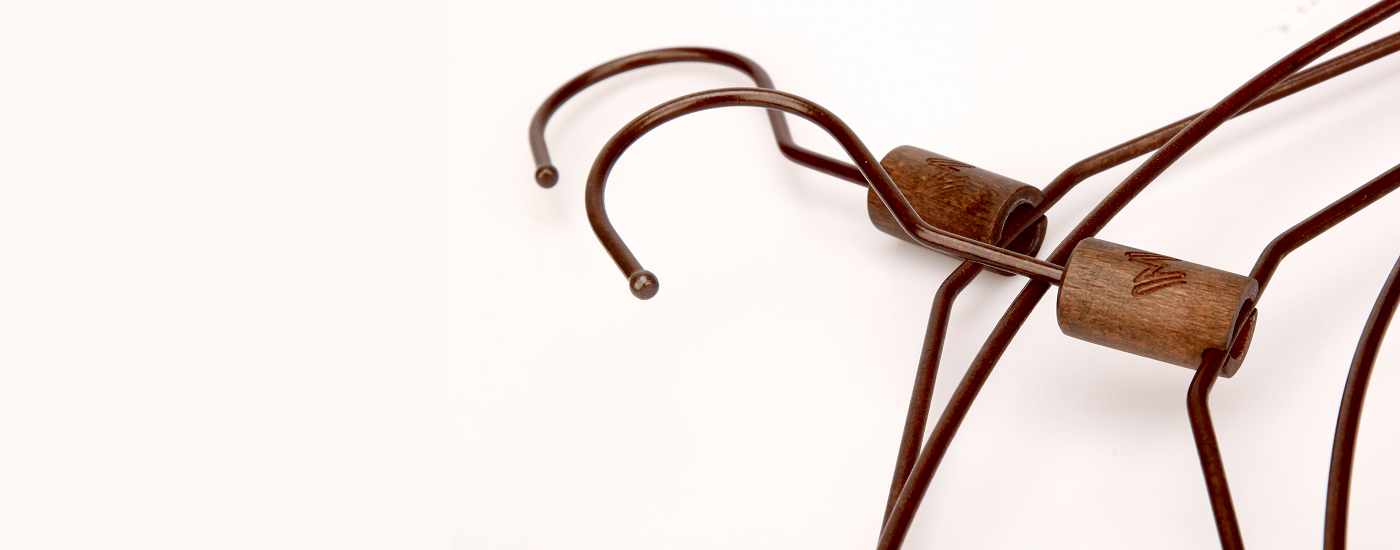
What Is Heavy Duty Aluminium Clothes Hanger
Nov. 05, 2026
A heavy duty aluminium clothes hanger is a thicker, stronger garment hanger made from aluminium alloy to support heavier clothing while remaining lighter than steel. It is designed for coats, suits, uniforms, workwear, and other garments that can bend or deform ordinary plastic hangers. Unlike a rolling clothes rack, an aluminium hanger holds one garment at a time and does not include wheels, shelves, or a freestanding frame. Typical designs use an aluminium tube or wire frame, a metal hook, protective coating, and optional non-slip surfaces for home, hotel, laundry, retail, and commercial use.
I use the term aluminium cloth hanger to describe the same product category, although “clothes hanger” is the more common wording in product specifications. The main reasons buyers select this type are load support, corrosion resistance, low material weight, compact storage, and a longer usable life than thin plastic alternatives. However, the actual capacity depends on tube diameter, wall thickness, alloy, joint construction, hook design, and the way the hanger is loaded.
!
What Is a Heavy Duty Aluminium Clothes Hanger?
A heavy duty aluminium clothes hanger is an individual garment-support product formed from aluminium alloy rather than molded plastic or solid wood. Aluminium has a lower density than steel, so a properly designed hanger can provide useful bending resistance without adding the same mass as a steel hanger. The frame normally includes two shoulder arms, a central neck, a hook, and sometimes a trouser bar, clips, shoulder grooves, or a textured coating.
The word “heavy duty” should not be treated as a universal capacity rating. In practical purchasing, I separate three figures: the manufacturer’s stated maximum, a laboratory or internal test result, and the safe everyday working load. A hanger advertised for 5–10 kilograms may perform differently when the load is concentrated at the trouser bar, placed on one shoulder, or suspended from a weak hook connection.
A hanger is also different from a heavy duty aluminium clothes rack. A hanger supports an individual garment, while a rack is a freestanding storage system that may include one or more hanging rods, shelves, hooks, wheels, and an anti-tip structure. Choosing between them depends on whether the problem is garment-by-garment organization or bulk storage for a wardrobe, laundry room, shop, hotel, or event operation.
How Aluminium Hanger Construction Affects Strength
The first technical factor is the aluminium profile. A larger outside diameter generally improves resistance to bending, but diameter alone does not determine performance. Wall thickness, alloy temper, cross-sectional shape, and unsupported span also affect stiffness, so a thin large tube may not outperform a smaller tube with a thicker wall and better joints.
For many commercial hanger designs, an outside diameter around 6–12 millimeters provides a practical balance between grip, appearance, and stiffness. Wire-style models may use smaller diameters, while tubular designs intended for coats or uniforms may use thicker sections. I would request the actual diameter, wall gauge, alloy designation, and test method before comparing two suppliers that both use the phrase “heavy duty.”
The second factor is the joint. A hanger can have a strong shoulder frame but still fail at the hook, neck, welded seam, crimp, or screw connection. For repeated commercial use, I check whether the hook is integrated into the frame, mechanically fastened, welded, or merely inserted into a plastic fitting.
Aluminium does not form the same type of red iron-oxide rust associated with ordinary carbon steel. It naturally develops a thin oxide layer that helps protect the surface, although salt, acidic cleaners, galvanic contact with dissimilar metals, and poor coatings can still cause staining or corrosion. Anodizing, powder coating, or another controlled finish can improve appearance and surface protection, but the finish should be evaluated at joints and cut edges as well as on the visible frame.
Benefits of Heavy Duty Aluminium Clothes Hangers
The main aluminium clothes hanger benefits come from the material’s weight-to-strength balance. Aluminium is lighter than steel, which helps staff move large quantities of hangers without adding unnecessary mass to wardrobes, display rails, or laundry carts. At the same time, a correctly sized profile can resist deformation better than thin plastic under repeated use.
Corrosion resistance is another reason aluminium is used in humid locations. Hotels, laundries, locker rooms, coastal properties, and garment-processing areas may expose hangers to moisture more frequently than a dry bedroom. Aluminium is not corrosion-proof, but a suitable alloy and finish can reduce maintenance compared with untreated steel.
The surface can also be adapted to the garment. A smooth anodized or coated finish reduces snagging risk when edges are properly rounded, while rubberized shoulders, grooves, or textured coatings can reduce slipping. The hanger width and shoulder contour are equally important because a narrow frame may create pressure points in suit jackets, structured coats, and uniforms.
For compact wardrobes, a slim aluminium frame can save rail space compared with a broad wooden hanger. A hanger with a 5–8 millimeter profile may occupy less horizontal space than a 15–25 millimeter wooden design, although the exact saving depends on garment thickness and shoulder shape. Space reduction should not come at the expense of garment support, especially for padded jackets or formalwear.
Are Heavy Duty Aluminium Clothes Hangers Suitable for Heavy Garments?
Heavy duty aluminium clothes hangers can suit coats, suits, uniforms, denim jackets, protective workwear, and layered garments when the frame and hook are correctly specified. For routine household use, I would treat approximately 3–5 kilograms per hanger as a cautious working range unless the supplier provides a verified higher rating. Winter coats, wet garments, or several items stacked on one hanger can exceed that range quickly.
The safest comparison uses both load and duration. A hanger may hold 8 kilograms for a short static test but experience permanent bending after repeated loading, impact, or long-term suspension. For hotels and retail stores, I would ask for a cyclic loading test, a deformation limit, and the recommended working load rather than relying only on a maximum breaking figure.
Garment protection also matters. Coats benefit from wider shoulders and a pronounced contour, while shirts may require a slimmer profile with shoulder notches. Trousers need a strong crossbar or clips with rounded contact points, and delicate fabrics require smooth edges, controlled pressure, and the absence of exposed burrs.
Heavy Duty Aluminium Clothes Hanger vs Plastic and Wooden Hangers
The difference between a heavy duty aluminium clothes hanger vs plastic hanger is mainly found in structure, temperature response, surface behavior, and long-term deformation. Thick plastic can be economical and light, but low-cost designs may whiten, crack, or bend under concentrated loads and repeated stress. Aluminium usually offers a more stable frame, although it can transfer pressure to fabric if the shoulders are too narrow or the edges are unfinished.
Compared with wooden hangers, aluminium hangers are generally lighter and thinner. Wood can provide a naturally broad shoulder contour and a substantial appearance for suits or hotel wardrobes, but it often occupies more rail space and may be affected by moisture or surface finish wear. Aluminium is more suitable when weight reduction, corrosion resistance, or compact storage has greater importance than a thick wooden profile.
| Factor | Aluminium hanger | Plastic hanger | Wooden hanger |
|---|---|---|---|
| Typical profile | About 6–12 mm for tubular designs | About 3–8 mm, depending on molding | About 15–25 mm across thicker sections |
| Weight | Low to moderate | Low | Moderate to high |
| Heavy garment support | Good when profile and joints are specified | Variable | Good, especially for broad shoulders |
| Moisture response | Generally resistant with suitable finish | Usually resistant but may crack | Requires controlled finish and dry storage |
| Space efficiency | High | High | Moderate |
| Best use | Coats, uniforms, suits, commercial wardrobes | Everyday light garments | Suits, jackets, premium wardrobe display |
Individual Hanger or Aluminium Clothes Rack?
An individual hanger is appropriate when each garment needs separate support on an existing wardrobe rail, retail display bar, hotel closet, or laundry trolley. It is easier to replace, label, color-code, and distribute by garment type. It also allows buyers to match shoulder width, hook height, trouser support, and surface treatment to specific clothing.
A heavy duty aluminium clothes rack is a different procurement category. Racks commonly include one or two hanging rods, shelves, side hooks, adjustable feet, or casters, with dimensions often ranging from about 900 to 1,800 millimeters in width and 1,500 to 2,000 millimeters in height. A rack may list a total capacity of 50–150 kilograms, but that figure must be divided across rods, shelves, connectors, and the floor surface.
Mobility features are useful in hotels, photography studios, retail stockrooms, and laundry operations. Locking casters help move a loaded rack and then prevent unwanted rolling, while fixed feet are often simpler for permanent wardrobe storage. For safety, I look for a wide base, cross-bracing, locking joints, a stated anti-tip method, and load instructions that distinguish evenly distributed loads from concentrated loads.
Drying racks should not be confused with garment racks. Drying racks prioritize airflow, folding sections, and resistance to damp clothing, while wardrobe racks prioritize hanging height, garment clearance, mobility, and storage density. A buyer choosing between the two should first identify whether the main task is drying, temporary staging, display, or long-term garment organization.
How to Choose a Heavy Duty Aluminium Clothes Hanger
I recommend checking the following specifications before placing an order:
- Frame diameter and wall thickness: Request both measurements instead of accepting “thickened aluminium” as a description.
- Stated working load: Separate the recommended everyday load from the maximum test or failure load.
- Shoulder width: Common adult widths are approximately 400–450 millimeters, while coats and suits may need a broader contour.
- Hook construction: Confirm hook diameter, opening size, rotation, weld quality, and compatibility with the hanging rail.
- Surface finish: Check anodizing, powder coating, rubber coating, or another treatment for moisture and snag resistance.
- Garment contact points: Look for rounded edges, shoulder grooves, clips, trouser bars, and non-slip areas.
- Packaging and inspection: Bulk buyers should confirm carton quantity, protective packaging, defect tolerance, and replacement policy.
For a small wardrobe or apartment, I would prioritize a slim frame, smooth finish, and a load rating suitable for coats and suits. For hotels, I would add hook security, repeatable dimensions, finish consistency, and the ability to reorder the same model. Retail stores may need brand colors, logo marking, precise shoulder contours, and a lower profile to increase the number of displayed garments per rail.
Pricing, Availability, and Procurement Considerations
Retail pricing varies by profile, finish, packaging, and quantity. A basic aluminium hanger may sell for approximately $2–$6 per unit in small packs, while coated, non-slip, clip-equipped, or customized designs may reach $5–$15 per unit. Heavy duty aluminium clothes racks commonly range from about $60 to more than $250, depending on dimensions, shelves, casters, frame construction, and total rated load.
Direct supplier quotations can be lower on a per-unit basis, but they may require minimum order quantities of roughly 100–1,000 pieces for standard items and higher quantities for custom tooling or special finishes. Laser marking, molded branding, custom colors, modified shoulder width, and retail packaging can add setup charges, sampling costs, and longer production schedules. I would compare the delivered cost rather than the factory unit price alone.
A procurement comparison should include product price, sample charges, tooling, inspection, packaging, freight, import costs, storage, replacement rate, and expected service life. For example, a $3 hanger that lasts three years may cost less per year than a $1 plastic hanger replaced every six months, even before labor and garment damage are considered.
Mao’s is one supplier example for buyers reviewing aluminium, metal, wooden, plastic, and fabric hanger options in the same sourcing process. The company presents hanger design, production, sales, customization, and international project support as part of its supplier offering. For a business order, I would still request a drawing, material specification, sample, test details, minimum order quantity, country of manufacture, packaging plan, and written quotation before comparing the proposal with retail or marketplace options.
How to Clean and Maintain Aluminium Hangers
For routine cleaning, I use a soft cloth, warm water, and a mild detergent, followed by complete drying. Abrasive powders, steel wool, strong acids, and chlorine-heavy cleaners can damage coatings or create visible marks on aluminium surfaces. If the hanger has rubberized or fabric-covered sections, I test the cleaner on a hidden area first.
Inspection is more important in commercial use than in a lightly used home wardrobe. I check for bent shoulders, sharp edges, loose hooks, coating failure, cracked clips, and deformation at the neck or trouser bar. Any hanger that no longer supports the garment symmetrically should be removed from service rather than straightened repeatedly.
Final Thoughts
What Is Heavy Duty Aluminium Clothes Hanger can be answered simply: it is a reinforced aluminium garment hanger designed to carry heavier clothing while remaining lighter and more corrosion-resistant than many steel or wooden alternatives. Its real performance depends on diameter, wall thickness, alloy, joint construction, surface finish, hook design, shoulder width, and the manufacturer’s tested working load.
I would choose aluminium hangers for coats, suits, uniforms, workwear, hotels, retail displays, laundries, and compact wardrobes when low weight and durable metal construction are important. I would choose a rolling aluminium rack instead when the requirement involves multiple garments, shelves, casters, adjustable rods, or bulk storage. Before buying, compare the safe everyday load, garment contact design, dimensions, finish, MOQ, customization terms, delivered cost, and expected replacement rate rather than relying on the phrase “heavy duty” alone.