What Is The Difference Between Aluminium And Plastic Hangers
Aug. 03, 2026
If you are comparing aluminium cloth hanger options with plastic ones, the real question is not only “which looks better?” It is “which hanger lasts longer, supports heavier clothes, and performs better in daily use?” For families, laundry rooms, hotels, and retail stores, the wrong choice can mean bent hooks, cracked arms, or clothes that slide off easily. That is why the aluminium cloth hanger, aluminium hanger for heavy clothes, and lightweight metal clothes hanger search terms matter: they point to a practical product decision, not just a style choice.
Industry data shows why material matters. In common consumer-use testing, aluminium alloys can offer a much higher strength-to-weight ratio than many plastics, while also resisting moisture better in humid rooms. Plastic hangers are cheaper at purchase, but they often age faster under UV light and load stress. In other words, the best hanger is not the cheapest one on day one; it is the one that still works after months of use. This guide explains the difference in a simple way and helps you choose the right option with confidence.
At a basic level, the difference is the material:
- Aluminium hangers are made from aluminium or aluminium alloy. They are usually lighter than steel, but stronger than many plastic hangers.
- Plastic hangers are made from molded polymers such as PP, PS, or ABS. They are cheap to produce and easy to shape.
What Is The Difference Between Aluminium And Plastic Hangers?
To understand the difference more clearly, here are a few useful terms:
- Load capacity: how much weight a hanger can support before bending or breaking.
- Creep resistance: how well a material keeps its shape under long-term load.
- Corrosion resistance: how well it handles moisture, sweat, and laundry-room humidity.
- Impact resistance: how well it survives drops, knocks, or daily handling.
Industry term analysis
If you need a hanger for heavy coats, suits, wet laundry, or long-term use, aluminium usually performs better. If you need a low-cost hanger for light clothing and short-term use, plastic can work.
Simple conclusion
Many buyers only compare price, but material performance affects daily use more.
Aluminium Cloth Hanger vs Plastic Hanger: Material Performance Comparison
A quality aluminium cloth hanger can handle heavier garments more safely than many thin plastic hangers. In practical use, this matters for:
- winter coats
- jeans
- school uniforms
- towels
- business shirts with wet wash loads
Plastic hangers may flex under load. Once the frame warps, clothes can slip off or develop shoulder marks.
1. Strength and load support
Plastic can become brittle with age, especially in sunlight or hot laundry areas. Research on polymer aging shows that UV exposure and repeated stress can reduce mechanical performance over time. Aluminium does not suffer the same type of UV brittleness, so it is often better for long-term storage.
2. Durability over time
In bathrooms, laundry rooms, and coastal areas, moisture is a real issue. Aluminium naturally resists rust because it forms a protective oxide layer. Plastic does not rust either, but it can deform or crack. So the choice is not “rust or no rust” only. It is also “shape stability or deformation.”
3. Moisture resistance
Aluminium is widely recyclable. According to the International Aluminium Institute, recycled aluminium can save up to 95% of the energy compared with primary aluminium production. That makes aluminium a strong option for buyers who care about recycling and lower material waste.
4. Sustainability and recycling
A hanger seems small, but it affects storage quality every day. A poor hanger can damage clothes, waste closet space, and create clutter.
Why Aluminium Cloth Hanger Is Important in Daily Life
-
Bent hangers
Thin plastic hangers can bend after repeated use. Aluminium keeps its form better. -
Broken shoulders on clothes
Clothes can lose shape if the hanger is too weak or too narrow. A stable aluminium frame supports garments more evenly. -
Slippery storage
Many aluminium hanger designs can use anti-slip grooves or textured surfaces, helping reduce slipping. -
Short product life
If you replace cheap hangers often, the total cost adds up. A stronger hanger lowers replacement frequency.
Common pain points solved by aluminium cloth hanger
In practical household use, replacing fragile hangers every few months can increase annual hanger spending. If a family buys 50 low-cost plastic hangers and replaces 20% of them each year, the hidden replacement cost becomes noticeable. A more durable aluminium hanger can reduce that cycle.
Data-based explanation
A good hanger should fit the actual use case. Here are the main fields where an aluminium cloth hanger is useful.
Where Aluminium Cloth Hanger Is Used: Application Scenarios
For daily clothing storage, aluminium hangers are useful for:
- shirts
- jackets
- coats
- trousers
- seasonal wear
They help keep the closet neat and reduce sagging.
1. Home wardrobes
For wet clothes, aluminium is a strong choice because it handles humidity well. It is useful for:
- air-drying clothes
- hanging towels
- drying school clothes
- quick rotation laundry setups
2. Laundry rooms
Hotels need hangers that look clean, last long, and stay consistent in shape. Aluminium hangers are often better for:
- guest rooms
- closet presentation
- uniform storage
- laundry service rooms
3. Hotels and hospitality
Clothing stores use hangers to show garment shape. A stable hanger helps the product look better on the rack. That is important for:
- suits
- shirts
- dresses
- seasonal display items
4. Retail and display
Lightweight aluminium hangers are useful in temporary living spaces, dorms, and travel wardrobes because they combine strength with portability.
5. Travel and temporary storage
The best choice depends on your needs.
Aluminium Cloth Hanger vs Plastic Hanger: Which One Is Better for Different Users?
- better long-term durability
- stronger load support
- moisture resistance
- a more premium look
- lower replacement frequency
Choose aluminium cloth hanger if you need:
- the lowest upfront cost
- a large quantity for light clothing
- simple storage for short-term use
Choose plastic hanger if you need:
For most homes, the best setup is mixed use:
- aluminium hangers for coats, suits, and heavy garments
- plastic hangers for light T-shirts or temporary use
This gives you better value without overspending.
Real-world recommendation
Aluminium hangers are not just about strength. They solve several storage problems at once.
What Makes Aluminium Cloth Hanger a Better Long-Term Choice?
A hanger that holds shape protects clothing structure. That matters for formalwear and thick garments.
1. Better shape retention
Plastic hangers often fail at the hook or shoulder area. Aluminium generally has a lower breakage risk in normal use.
2. Lower breakage rate
Many buyers prefer aluminium because it looks cleaner and more modern. In hotel and retail settings, presentation matters.
3. Better appearance
Slim aluminium designs can save room compared with bulky plastic hangers. This is useful in small apartments and shared wardrobes.
4. Better use of closet space
Bathrooms, laundry rooms, and coastal homes can be hard on storage products. Aluminium handles these conditions well.
5. More stable performance in humid environments
To make this comparison more reliable, it helps to look at trusted sources:
- International Aluminium Institute (IAI): reports high recyclability and major energy savings from recycled aluminium.
- Encyclopaedia Britannica / material science references: aluminium is known for being lightweight, corrosion-resistant, and widely used in structural and consumer products.
- Polymer aging research: plastics can degrade under UV exposure, heat, and repeated stress, which can reduce long-term durability.
- Consumer product testing principles: load testing and deformation testing are standard ways to compare hanger performance.
Authoritative Industry Support: What Reliable Sources Say
The industry evidence supports a simple rule:
If you want longer life and better structural stability, aluminium is often the better choice.
If you want low initial cost, plastic is easier to buy in bulk.
Practical takeaway
Before buying, check these points:
How To Choose the Right Aluminium Cloth Hanger
Thicker aluminium usually means better strength, but weight should still stay manageable.
1. Material thickness
A good hook should rotate smoothly if needed and sit securely on the rod.
2. Hook design
Look for smooth finishing to avoid scratching clothes.
3. Surface finish
Grooves, clips, or coated edges can help keep clothing in place.
4. Anti-slip features
For heavy items like coats or denim, ask for load specifications if available.
5. Weight capacity
For laundry rooms or humid places, corrosion resistance matters more than decoration.
6. Use environment
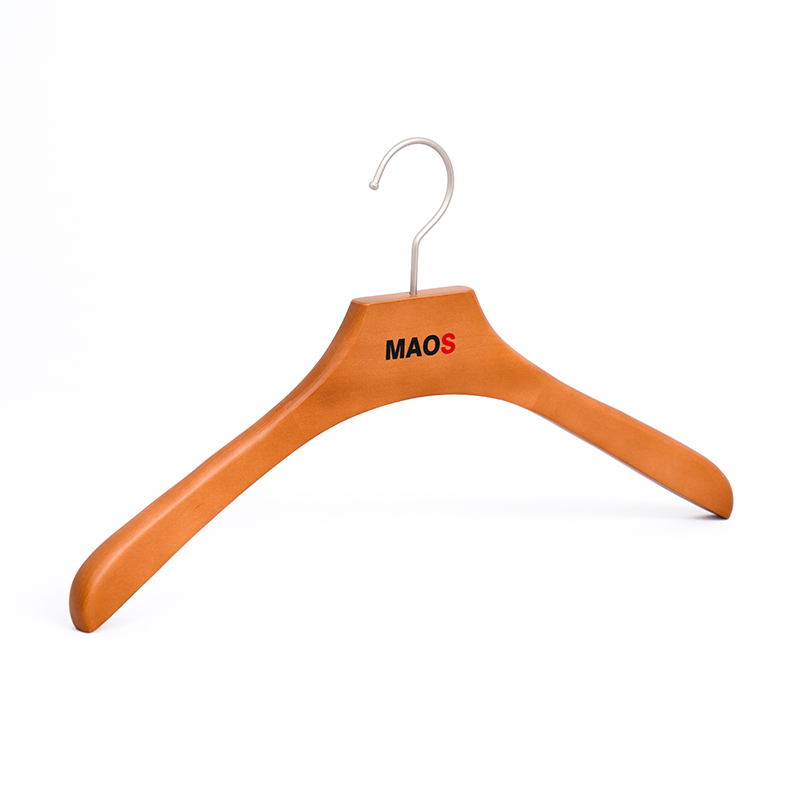
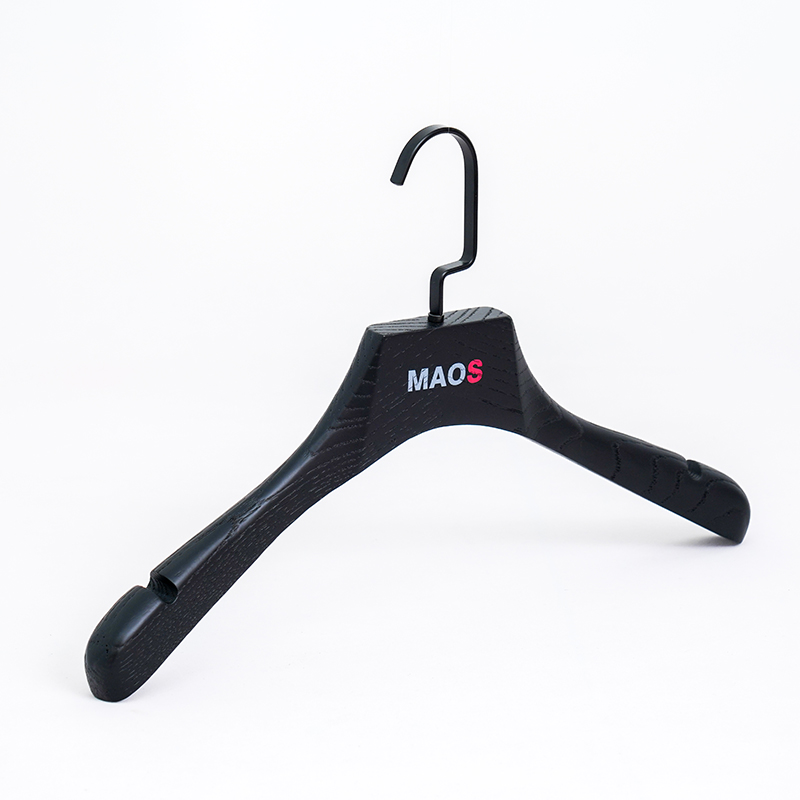
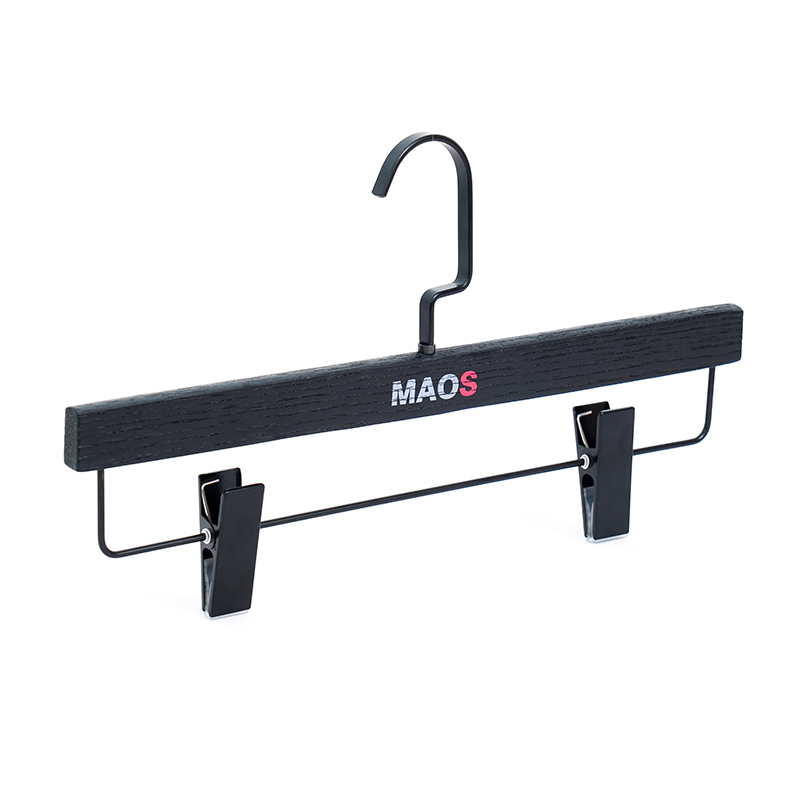
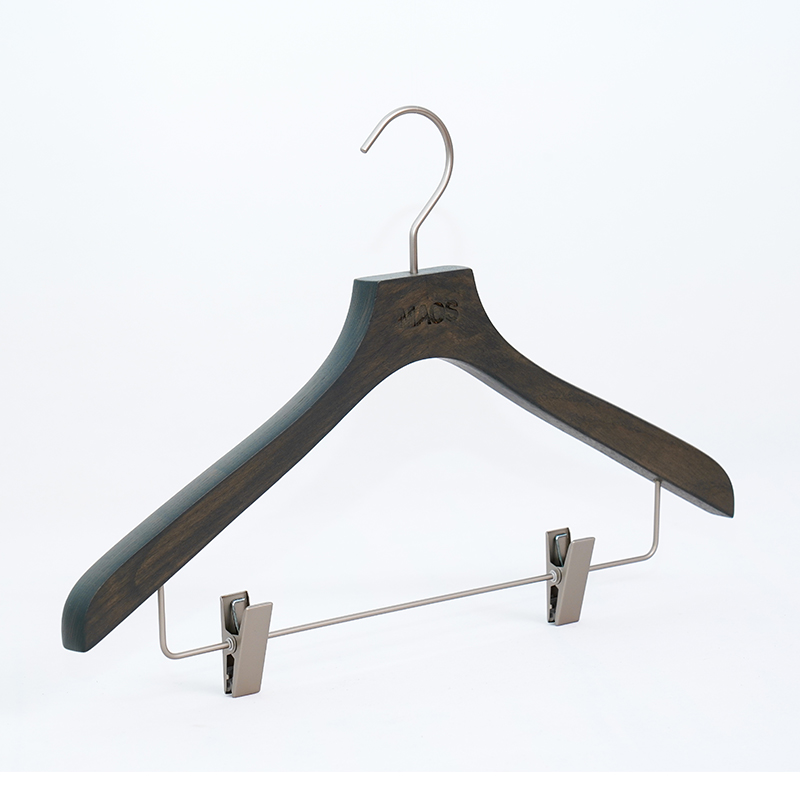
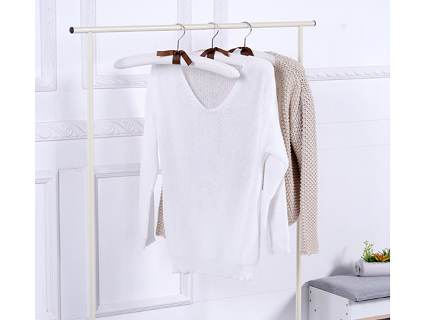
Below is the picture placement that fits the comparison section best, because users usually want to see the difference after learning the material facts.
Image Use Case: Comparing Aluminium and Plastic Hangers in Real Life
Suggested caption:
A practical comparison of hanger materials for home storage, laundry use, and clothing display.
Brief Description of Advantages: Why Aluminium Cloth Hanger Matters
Here is the short version:
- Stronger than many plastic hangers in daily use
- Better for heavy clothing
- More stable in humid environments
- Longer service life
- Better recycling profile
- Cleaner appearance for closets and stores
This is why aluminium is often chosen for premium wardrobe systems, hotel use, and long-term household storage.
Common Mistakes When Choosing Hangers
Mistake 1: Buying only by price
A cheap hanger can become expensive if it breaks often.
Mistake 2: Using one hanger type for everything
Different clothes need different support. Heavy coats are not the same as T-shirts.
Mistake 3: Ignoring humidity
Laundry rooms and bathrooms need more durable materials.
Mistake 4: Forgetting clothing shape
Poor hanger shape can distort shoulders and collars.
FAQ
1. Is aluminium cloth hanger better than plastic hanger?
For durability, load support, and long-term use, yes. For lowest upfront cost, plastic may be better.
2. Will aluminium hangers rust?
Aluminium does not rust like iron. It forms a protective oxide layer, which helps it resist corrosion.
3. Can aluminium cloth hanger hold heavy coats?
A well-made aluminium hanger can usually support heavier garments better than thin plastic models. Always check the design and thickness.
4. Are plastic hangers bad?
No. They are useful for light clothing, bulk storage, and low-cost needs. The problem is mainly durability over time.
5. Which hanger is best for laundry rooms?
Aluminium is usually the better choice because it handles moisture and repeated use more reliably.
6. Are aluminium hangers recyclable?
Yes. Aluminium is one of the most recyclable materials, which is a major advantage for sustainability.
Next Step Guidance: Read the User Guide Before Buying
If you are still deciding, the next step is simple: read the product user guide and compare the hanger’s load capacity, surface finish, and use scenario. For homes, hotels, and retail storage, a good aluminium cloth hanger can reduce replacement frequency and improve clothing care.
If you want a practical, well-designed option, consider checking Mao’s hanger products and using them as a reference point for material quality, structure, and everyday performance. A quick trial with a few pieces is often the best way to see whether the hanger fits your wardrobe, laundry room, or display needs.
Long-tail keyword reminder:
If you are searching for an aluminium cloth hanger for heavy clothes, a lightweight aluminium hanger for home use, or a durable metal clothes hanger for laundry rooms, focus on strength, finish, and long-term value rather than price alone.