What Is The Difference Between Aluminium And Steel Hangers
Aug. 06, 2026
If you are comparing an aluminium cloth hanger with a steel hanger, you are probably trying to solve one simple problem: which one lasts longer, resists rust better, and fits your space better. This question matters in daily laundry rooms, hotels, apartments, and retail displays. In real use, the wrong hanger can bend, rust, stain clothes, or create extra maintenance work. That is why many buyers now search for terms like aluminium cloth hanger for laundry room, lightweight aluminium garment hanger, and rust resistant clothes hanger before they buy.
In this article, we will explain the difference between aluminium and steel hangers in clear language, using product facts, material science, and real-world use cases. We will also help you understand where an aluminium cloth hanger makes more sense, where steel is still useful, and how to choose the right option for your home or business.
What Is the Difference Between Aluminium and Steel Hangers?
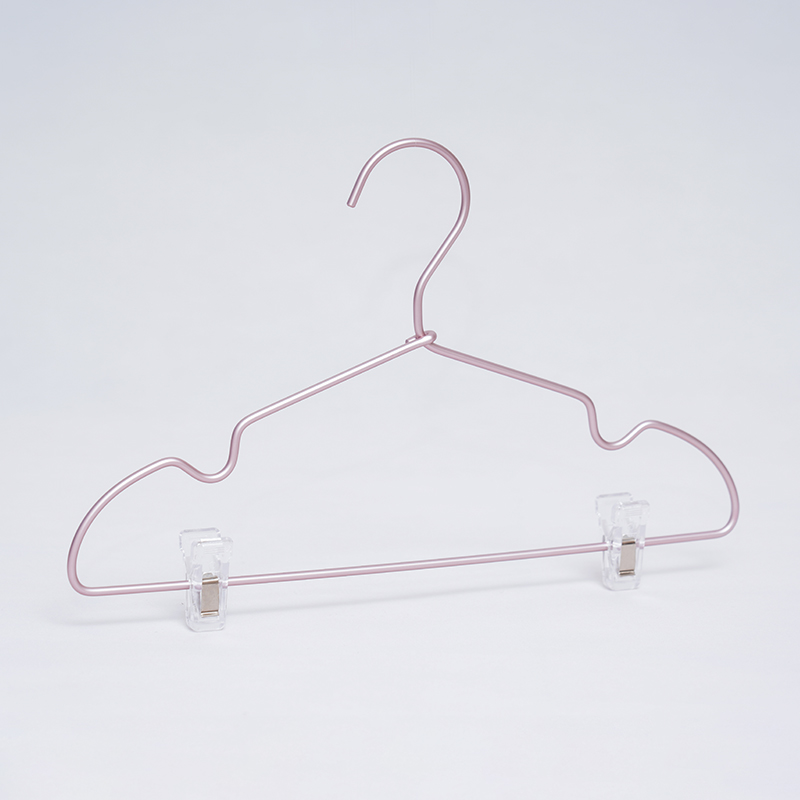
An aluminium cloth hanger is a hanger made from aluminium alloy or pure aluminium. It is known for being lightweight, rust-resistant, and easy to move.
A steel hanger is made from carbon steel or stainless steel. It is usually stronger in bending strength, but it can be heavier and, depending on the coating, may rust over time.
Simple definition
Here are the main material terms used in the industry:
- Aluminium alloy: A mix of aluminium with small amounts of other metals. This improves strength while keeping the weight low.
- Carbon steel: A strong metal commonly used in low-cost hanger frames, but it needs surface coating to resist rust.
- Stainless steel: A steel type with chromium content. The chromium helps form a passive oxide layer that slows corrosion.
- Corrosion resistance: The ability of a material to resist rust and chemical damage.
- Yield strength: The amount of stress a hanger can handle before it bends permanently.
- Surface coating: A protective layer such as powder coating, plating, or anodizing.
Industry term analysis
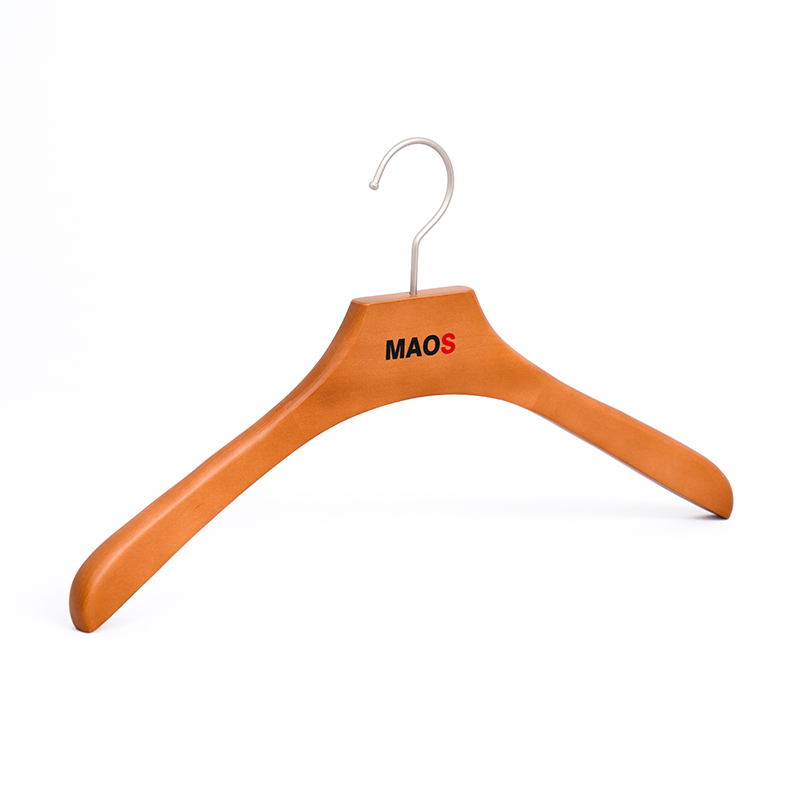
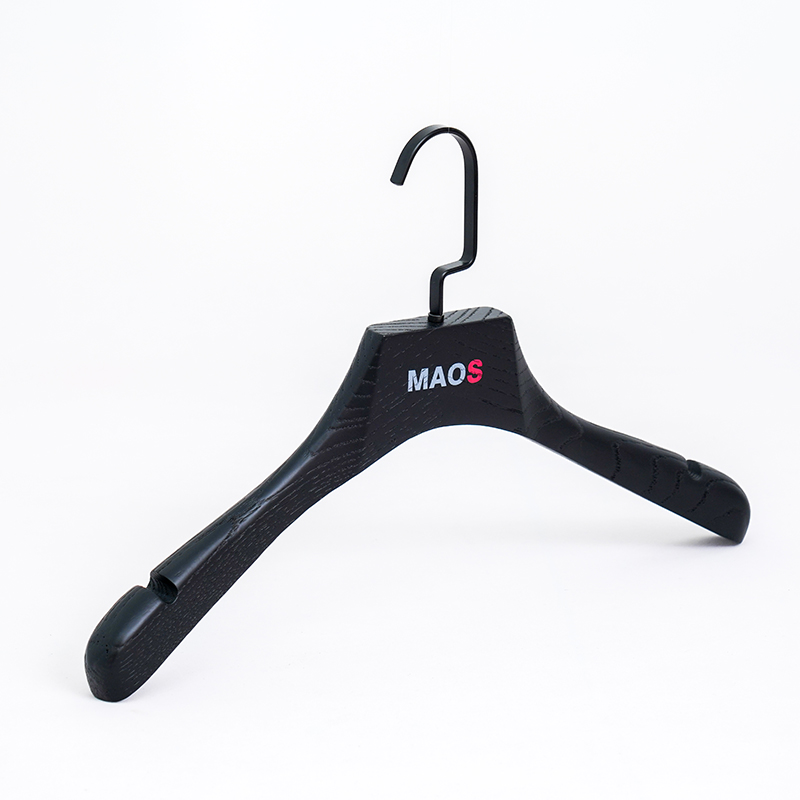
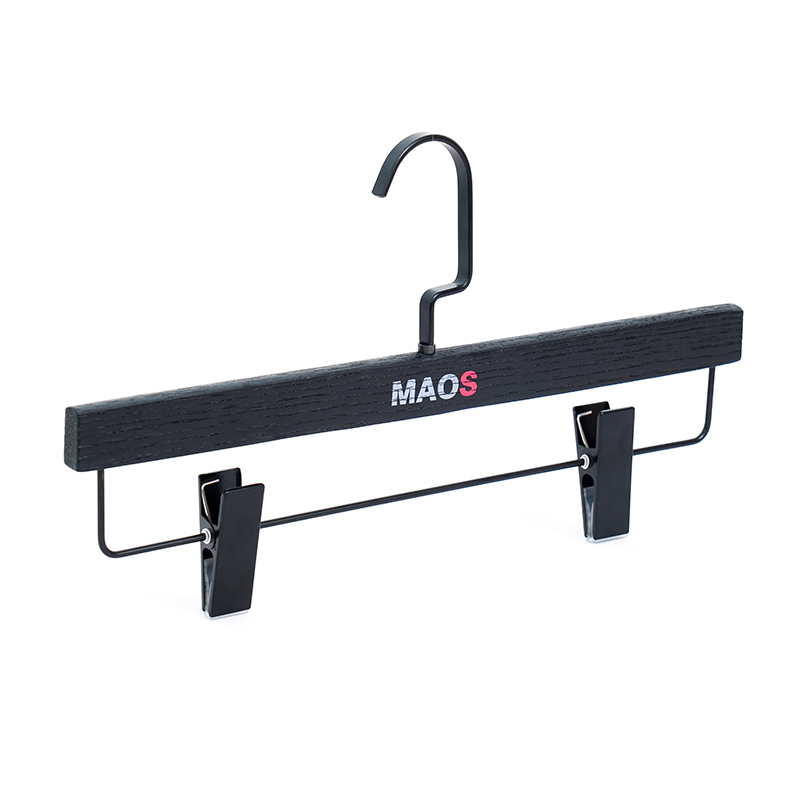
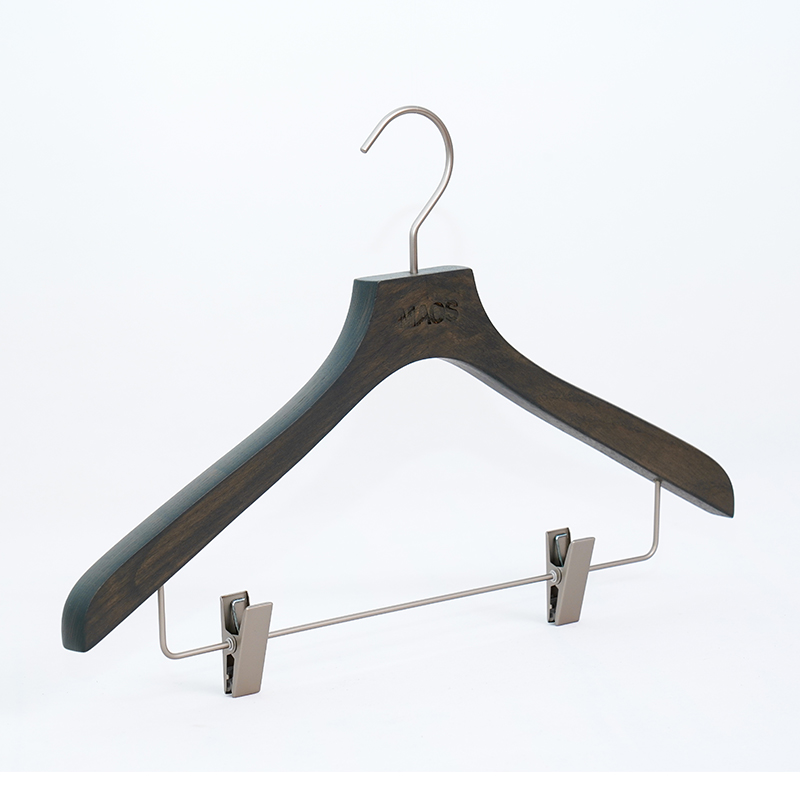
Picture: Aluminium vs Steel hanger comparison
The core difference in one sentence
Aluminium hangers are better for low weight and corrosion resistance, while steel hangers are better when you need higher load-bearing strength.
Why Aluminium Cloth Hangers Matter in Daily Use
A hanger looks small, but it affects daily workflow more than many buyers think. In home laundry, hospitality, and retail, the hanger is part of the product experience.
Common pain points solved by aluminium cloth hangers
-
Rust stains on clothes
Steel hangers can rust if the coating is damaged. That can leave marks on white or light-colored garments. -
Heavy lifting and storage issues
Aluminium is much lighter than steel. In large laundry rooms or hotels, lighter hangers reduce hand fatigue during repeated use. -
Moisture exposure
Bathrooms, balconies, and laundry areas often have humidity. Aluminium has strong natural corrosion resistance, making it a better choice for wet environments. -
Frequent replacement cost
A low-cost steel hanger may fail earlier if coating peels or the frame bends. That creates replacement and labor costs.
Data support from material properties
According to common engineering reference data, aluminium has a density of about 2.7 g/cm³, while steel is around 7.8 g/cm³. That means aluminium is roughly 65% lighter than steel by volume. In practical terms, that lower weight makes an aluminium cloth hanger easier to carry, install, and move.
For corrosion, many industry guides note that aluminium forms a natural oxide layer that helps protect the metal surface. Stainless steel also resists rust well, but ordinary carbon steel needs coating to perform well in humid areas.
Long-tail keywords naturally used
If you are looking for a rust resistant aluminium cloth hanger, a lightweight aluminium laundry hanger, or a durable aluminium hanger for humid spaces, the main reason is the same: you want lower maintenance and longer service life.
Aluminium Cloth Hanger vs Steel Hanger: Key Differences
Below is a practical comparison you can use before buying.
1. Weight
- Aluminium: much lighter
- Steel: heavier
A lighter hanger is easier to transport and handle. This matters in hotels, laundries, and homes where hangers are used in large numbers.
2. Corrosion resistance
- Aluminium: naturally resistant to corrosion
- Steel: depends on type and coating
If the hanger will be used in a damp room, on a balcony, or near the sea, aluminium is often the safer choice.
3. Strength and bending resistance
- Steel: usually stronger in raw load-bearing capacity
- Aluminium: can still be strong if designed well, but some thin products may bend more easily
For heavy coats or industrial use, steel may be preferred if the hanger design is reinforced.
4. Appearance
- Aluminium: clean, modern, often silver or anodized
- Steel: can look premium if polished or coated
For retail display and modern home decor, aluminium often gives a neat, minimal look.
5. Maintenance
- Aluminium: low maintenance
- Steel: may need more attention if the coating is damaged
6. Sustainability
Both metals are recyclable, but aluminium recycling is widely known for saving energy compared with primary aluminium production. Industry reports often cite recycling as a major advantage for aluminium products in circular manufacturing.
Where Aluminium Cloth Hangers Are Used
An aluminium cloth hanger is not only for home closets. It is used in many real-world settings.
1. Household laundry rooms
Home users choose aluminium when they want:
- easy handling
- no rust marks
- better use in damp areas
This is especially useful for families that air-dry clothes indoors or on balconies.
2. Hotels and hospitality
Hotels need hangers that:
- look clean
- are easy to replace
- resist moisture in bathrooms and wardrobes
A lightweight aluminium cloth hanger for hotel rooms can improve housekeeping efficiency because staff handle many items each day.
3. Retail and garment display
In clothing stores, hangers affect product presentation. Aluminium hangers are often used because they:
- keep a tidy visual style
- reduce bulk
- are easy to match with minimalist displays
4. Laundry and dry-cleaning operations
Commercial laundry areas often need hangers that can survive repeated handling. Aluminium is helpful where speed and corrosion resistance matter.
5. Seaside and humid environments
In coastal cities, salt in the air increases corrosion risk. A corrosion resistant aluminium cloth hanger for humid climate is a practical solution.
Why Aluminium Cloth Hangers Are Important
1. They reduce rust-related damage
Rust is not just a surface issue. It can damage clothing, leave stains, and create customer complaints in businesses.
2. They improve handling efficiency
Because aluminium is lighter, workers can move more hangers with less strain. In operations with thousands of garments, that becomes important.
3. They support longer service life in moisture
If the environment is humid, aluminium usually performs better than untreated or poorly coated steel.
4. They help lower replacement frequency
A better hanger can reduce replacement cycles. Even a small reduction in replacement rate can matter in hotels, laundries, and retail stores with high usage.
5. They match modern interior design
Many buyers want storage tools that look simple and clean. Aluminium hanger designs fit that need well.
How the Difference Affects Buying Decisions
When comparing aluminium and steel, do not look only at the metal name. You should also check these points:
Check the following before buying
- Material thickness
- Surface finish
- Coating type
- Load capacity
- Hook design
- Use environment
- Warranty or service support
Example decision guide
Choose aluminium cloth hanger if:
- the room is humid
- you want a lighter hanger
- you want low rust risk
- you need many hangers for daily use
Choose steel hanger if:
- you need higher stiffness
- the hanger will hold heavier garments
- you prefer a stronger feel and the environment is dry
Practical tip
If you are buying for a home laundry area, a best aluminium cloth hanger for daily use is often more practical than a basic steel model with weak coating.
What Industry Research Says About Aluminium and Steel
Professional buyers often ask for proof, not just product claims. The following findings help explain the material choice:
- Aluminium density is about one-third that of steel, which makes it easier to handle in large quantities.
- Aluminium oxide film forms naturally on the surface and slows corrosion.
- Stainless steel performs well against rust, but the price can be higher, and weight is still greater than aluminium.
- Coating quality matters a lot for steel. If the coating fails, corrosion can start quickly in humid conditions.
Authoritative material references commonly used in manufacturing include:
- ASM International material handbooks
- MatWeb material property databases
- Engineering Toolbox for density and strength comparisons
- NIST-related materials information for corrosion and material behavior concepts
These sources support a simple conclusion: the best hanger material depends on the environment, the required strength, and the cost of maintenance.
How to Choose the Right Aluminium Cloth Hanger
Step 1: Identify the use case
Ask where the hanger will be used:
- home
- hotel
- retail store
- laundry room
- humid or coastal area
Step 2: Check the garment type
- Light shirts and blouses need less load support
- Coats and heavy jackets need stronger structure
- Uniforms and delicate clothes need smooth edges to avoid deformation
Step 3: Look at surface quality
A good aluminium hanger should have:
- smooth edges
- no burrs
- stable finish
- no sharp joints
Step 4: Compare long-term cost
A cheaper hanger is not always lower cost. If it rusts, bends, or stains clothes, the total cost can become higher.
Step 5: Ask for product details
When talking to suppliers, ask:
- What aluminium alloy is used?
- Is the surface anodized or coated?
- What is the load capacity?
- Is it suitable for damp environments?
If you want to explore product options, you can also look at Mao's aluminium cloth hanger collection and compare models based on room type, load needs, and finish.
FAQ About Aluminium and Steel Hangers
1. Is an aluminium cloth hanger stronger than steel?
Not usually in raw stiffness. Steel is generally stronger in bending. But aluminium can still be strong enough for normal clothes if designed well.
2. Does aluminium rust?
Aluminium does not rust like iron or steel. It forms an oxide layer that protects the surface. However, it can still corrode in some harsh conditions.
3. Which is better for humid rooms?
For humid rooms, aluminium is often the better choice because of its corrosion resistance and lower maintenance.
4. Are steel hangers always better for heavy clothes?
Not always. Some aluminium designs are reinforced and can handle normal heavy garments. The real answer depends on thickness, shape, and coating.
5. Which hanger is better for long-term use?
If your priority is moisture resistance and easy handling, aluminium is often better. If your priority is maximum stiffness, steel may be better.
6. Can aluminium hangers be used in hotels?
Yes. Many hotels use aluminium hangers because they look clean, are easy to manage, and hold up well in daily use.
Final Recommendation: What Should You Choose?
If you want a hanger that is lightweight, rust-resistant, and suitable for humid environments, an aluminium cloth hanger is often the better choice. If you need maximum load-bearing strength and the environment is dry, a steel hanger may work better.
The easiest way to decide is to match the hanger to the real use situation:
- home laundry: aluminium
- hotel rooms: aluminium
- humid storage: aluminium
- heavy industrial hanging: steel may be better
Next Step: Read the User Guide and Compare Before Buying
Before placing an order, read the product user guide carefully and check the hanger’s material, coating, and load rating. If you are unsure which style fits your space, compare several models from Mao's and ask for samples first. That is the safest way to test whether a lightweight aluminium cloth hanger, a durable aluminium garment hanger, or a rust resistant clothing hanger is right for your use case.
If you want, I can also turn this into:
- a more sales-focused SEO article,
- a B2B product page version, or
- a blog post with meta title, meta description, and FAQ schema.