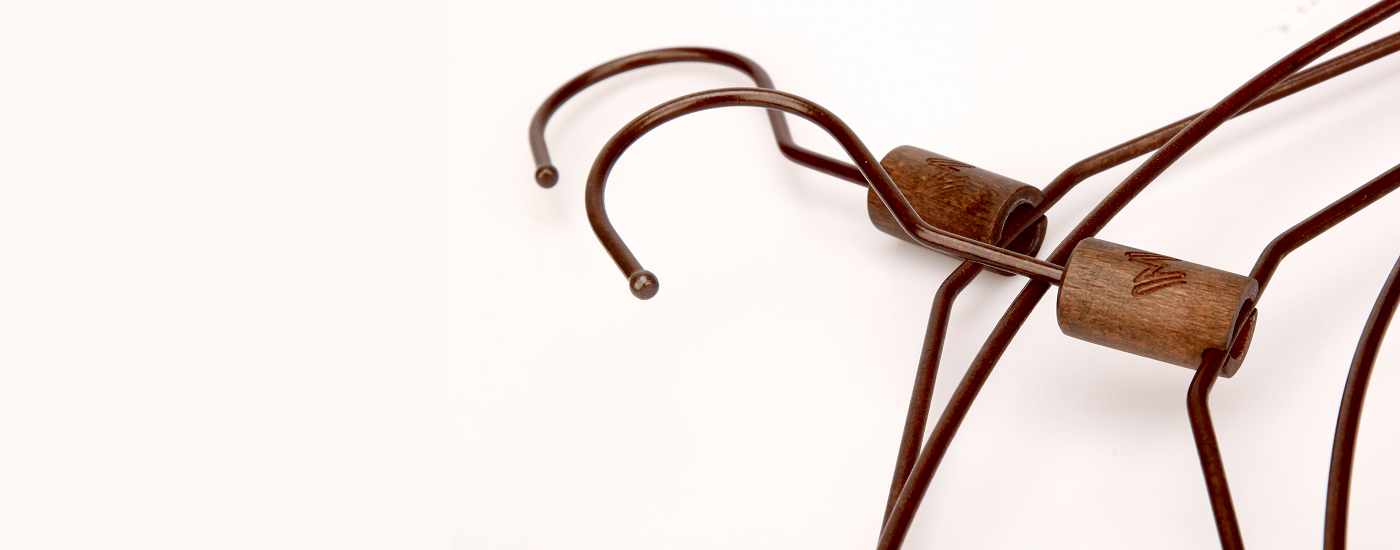
What Is Velvet Fabric Covered Hanger
Nov. 04, 2026
A velvet fabric covered hanger is a slim clothes hanger coated or wrapped with velvet-like flocked fibers, usually over a plastic, metal, or wooden core. The textured outer layer increases friction so garments stay in place instead of sliding onto the closet floor. In most products, the covering is synthetic flocking rather than solid velvet fabric.
!
What Is a Velvet Fabric Covered Hanger and How Does It Work?
When I describe a velvet fabric covered hanger, I am referring to a hanger with a structural core and a textile-like surface. The core provides the shape and load-bearing function, while the outer coating provides friction and a softer contact point for clothing. This combination makes the hanger different from a bare wire, smooth plastic, or polished wooden hanger.
Many products marketed as velvet hangers are not made from genuine velvet in the traditional textile sense. They may use flocked fibers, velour, felt, microfiber, or another velvet-like finish bonded to plastic or metal. The short fibers create a slightly grippy surface that helps hold silk camisoles, thin straps, blouses, skirts, and lightweight dresses.
The internal construction affects the hanger’s practical performance. A plastic core usually offers low weight and flexibility, a metal core can provide a narrower profile with useful tensile strength, and a wooden core generally offers greater rigidity and visual weight. The outer finish may look similar across these designs, but their resistance to bending, long-term load, and impact can differ considerably.
Velvet, Velour, Felt, and Flocking: What Is the Difference?
Genuine velvet is a woven or knitted textile with a dense pile, usually made from fibers such as cotton, rayon, polyester, or a blend. Velour has a similar pile appearance but may use a different construction and often feels less dense. Felt is made by compressing fibers rather than creating a woven pile, so it usually has a flatter and less plush surface.
Flocking is a finishing process in which short fibers are attached to an adhesive-coated surface. This is common on slim non-slip velvet hangers because it creates a consistent coating without requiring the entire hanger to be constructed from velvet fabric. For buyers, the important questions are the fiber type, coating adhesion, colorfastness, shedding, and the strength of the hanger core.
Why Use Velvet Covered Hangers?
I generally recommend velvet covered hangers when the main priorities are grip, compact storage, and consistent wardrobe organization. Their textured surface helps reduce slipping, while their slim profile allows more garments to fit on the same closet rod. They are particularly practical for small closets, apartments, guest rooms, and wardrobes containing many lightweight garments.
A typical velvet clothes hanger may include shoulder notches, a swivel hook, or a horizontal bar for trousers and skirts. Notches help retain narrow straps, while a swivel hook makes it easier to orient garments during storage or retail presentation. Some designs combine several of these functions, although extra components can increase weight and create additional points where the coating may wear.
Main Benefits of a Velvet Fabric Hanger
- Non-slip contact: Flocked fibers increase friction between the hanger and garment, reducing movement during ordinary closet use.
- Slim construction: A narrow profile can reduce the horizontal space used by each hanger compared with many wide wooden designs.
- Strap retention: Shoulder notches support camisoles, dresses, and tops with narrow shoulder straps.
- Lower shoulder marking: Rounded or coated edges are less likely to create sharp pressure points than thin metal wire.
- Improved organization: Matching velvet hangers create a more consistent arrangement by standardizing garment spacing and orientation.
- Broad garment coverage: They can suit shirts, blouses, skirts, light dresses, trousers, and some jackets when the core is appropriately reinforced.
These benefits do not mean that every velvet hanger is suitable for every garment. A lightweight flocked plastic hanger may hold a blouse effectively but bend under a heavy wool coat. I always match the hanger’s construction with the garment’s weight rather than judging the product by its surface appearance alone.
How the Hanger Core Affects Strength and Longevity
The outer coating is only one part of a hanger’s design. A plastic core usually keeps the product light and inexpensive, but a thin plastic frame may deform under repeated heavy loading or heat. A metal core can maintain its shape with less material, although the coating and protective treatment must prevent exposed metal from scratching fabric or developing corrosion.
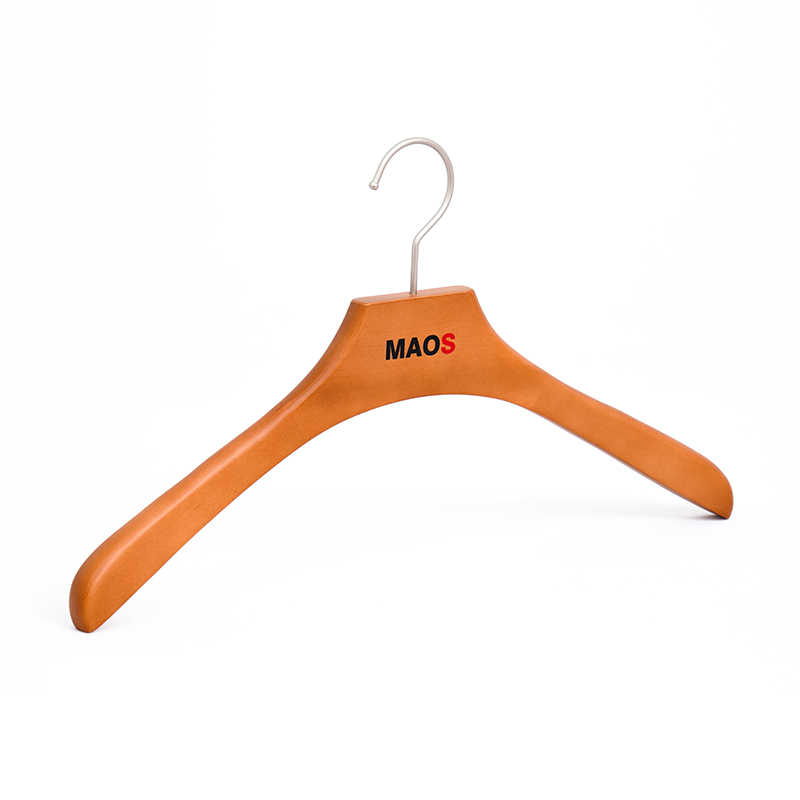
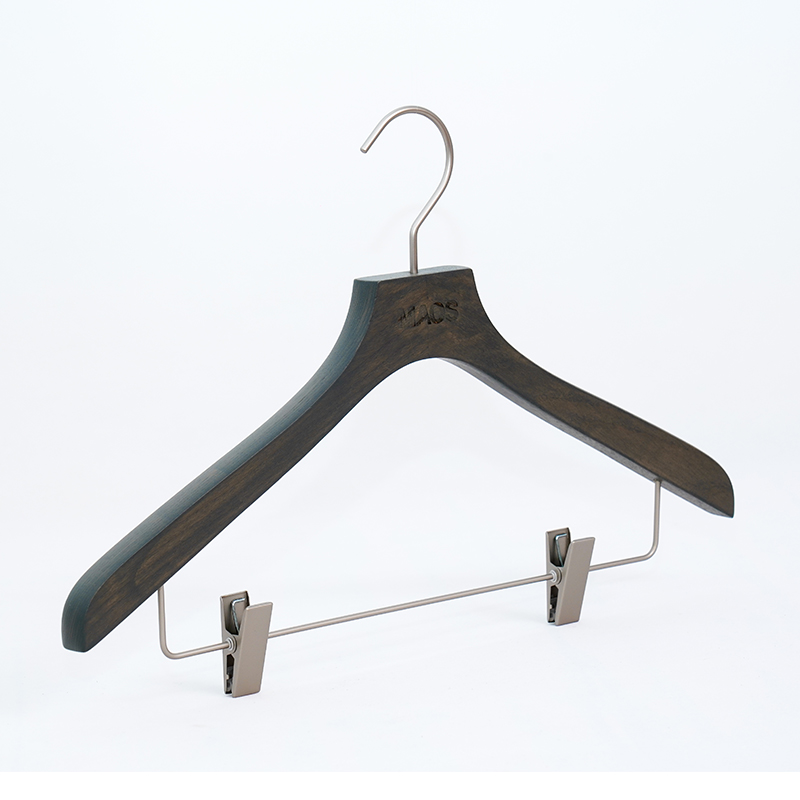
Wooden cores provide rigidity and can distribute the weight of suits, structured jackets, and coats across a wider shoulder area. They are usually thicker than slim flocked hangers, so they consume more closet space. A wood-and-flocking design may be useful when garment support matters more than maximum storage density.
For commercial buyers, I would assess core material, wire diameter or frame thickness, hook attachment, shoulder geometry, coating adhesion, and load-test results. Mao’s, for example, manufactures several hanger categories and identifies load testing, rust resistance, and finish inspection as parts of its quality-control process. Its wider manufacturing operation includes fabric, plastic, metal, aluminum, foam-wrapped, and wooden hanger lines, which allows buyers to compare different core materials within one supplier portfolio.
Velvet Hangers vs Wooden Hangers and Plastic Hangers
The difference between velvet hangers and wooden hangers is mainly a trade-off between storage density, support, and appearance. Velvet-covered designs are usually slimmer and lighter, while wooden hangers offer greater rigidity and a broader shoulder shape for structured clothing. Wooden hangers are often better for suits, tailored jackets, and heavy coats, whereas flocked hangers are usually more efficient for everyday tops and dresses.
Compared with smooth plastic hangers, velvet hangers generally provide more grip and better strap retention. Plastic hangers are easier to wipe clean and tolerate moisture better, but smooth surfaces can allow silk, satin, and wide-neck garments to slide. Plastic also varies widely in strength, so a thick molded hanger may support more weight than a very thin flocked model.
| Factor | Velvet-covered hanger | Wooden hanger | Smooth plastic hanger |
|---|---|---|---|
| Garment grip | High when coating is intact | Moderate unless shaped or notched | Low to moderate |
| Closet space | Usually low | Moderate to high | Low to moderate |
| Heavy clothing | Depends on core and frame | Usually suitable | Depends on molded thickness |
| Moisture tolerance | Limited until fully dry | Can absorb moisture | Generally high |
| Delicate clothing | Suitable when coating is clean and colorfast | Suitable with smooth edges | Suitable if edges are rounded |
| Cleaning | Spot cleaning preferred | Wipe and dry promptly | Usually easiest to wash |
| Best use | Light to medium garments | Coats, suits, structured pieces | General-purpose storage |
Are Velvet Hangers Safe for Delicate Clothing?
Velvet hangers can be safe for delicate clothing when the surface is clean, the coating is securely bonded, and the dye does not transfer. The soft, textured finish can reduce slipping and sharp pressure points on silk, lace, fine knits, and thin synthetic fabrics. However, I would test an unfamiliar dark-colored hanger with a white cloth before using it with light-colored garments.
Potential problems include loose fibers, rough exposed areas, adhesive residue, and color transfer caused by moisture or friction. Delicate garments should also be supported according to their shape: knitwear may stretch on a standard shoulder hanger, while a padded or folded storage method may be safer. A velvet hanger is not automatically a specialist hanger simply because its surface feels soft.
Can You Hang Wet Clothes on Velvet Hangers?
I do not recommend placing wet or damp clothing on a velvet-covered hanger for routine air-drying. Moisture can remain trapped in the flocking, increase odor, weaken adhesive bonds, encourage fiber transfer, and stain light garments. In a high-humidity closet, the same concerns apply even when the clothing is only slightly damp.
For air-drying, I would choose a washable plastic hanger, a ventilated rubber-coated hanger, or a purpose-built drying rack. Once the garment is completely dry, it can be transferred to a velvet hanger for storage. This simple separation protects the flocked surface and reduces the chance of mildew-related odor.
How to Clean Velvet Fabric Covered Hangers
I clean velvet Fabric Covered Hangers with a dry or barely damp method rather than soaking them. First, I remove lint with a soft clothes brush, lint roller, or low-suction vacuum attachment. Then I use a small amount of mild detergent diluted in water on a cloth, test an inconspicuous area, and dab the affected spot without saturating the core.
After cleaning, the hanger should dry completely in a ventilated room away from direct high heat. I avoid bleach, aggressive solvents, abrasive brushes, and washing-machine cycles because they can flatten the fibers, loosen the coating, or distort plastic components. If the surface becomes rough, sticky, heavily shed, or visibly contaminated, replacement is usually safer for delicate clothing.
Objective Velvet Hanger Buying Checklist
When I compare the best velvet hangers for delicate clothing, I look beyond color and packaging. The following checks help separate a practical hanger from one that only has a velvet-like appearance:
- Confirm the coating: Ask whether the surface is flocked polyester, velour, felt, genuine velvet fabric, or another finish.
- Inspect the core: Choose plastic for light garments, reinforced metal for compact strength, or wood for heavier structured clothing.
- Check the shoulder shape: Rounded shoulders reduce pressure points, while notches help hold narrow straps.
- Test colorfastness: Rub a hidden area with a damp white cloth before storing pale garments.
- Look for shedding: Loose fibers on the package or garment indicate possible coating weakness.
- Assess moisture exposure: Do not choose a flocked hanger as the primary solution for damp laundry or humid storage.
- Consider recyclability: Mixed plastic, adhesive, metal, and textile construction can make end-of-life separation difficult.
- Match garment weight: Use a broad, rigid hanger for heavy coats and a slim flocked hanger for light or medium garments.
- Review long-term value: A low unit price is less attractive if coating failure causes replacements every few months.
For wholesale or retail projects, additional factors include minimum order quantity, sample testing, packaging, color consistency, logo application, and production lead time. Mao’s lists a minimum order quantity of 2,000 pieces for many styles, sample lead times of 7–12 days for standard products, and production lead times of approximately 35–45 days after sample approval and deposit. These figures are relevant to businesses planning wardrobe displays, boutique packaging, hotel supply, or private-label hanger programs rather than individual household purchases.
When Velvet Hangers Are the Right Choice
I choose velvet-covered hangers when I need a non-slip closet hanger for blouses, dresses, camisoles, skirts, lightweight trousers, and other garments that move easily on smooth surfaces. They are also useful when closet width is limited and a consistent appearance matters. For small apartments, they can provide a practical balance between storage density and garment retention.
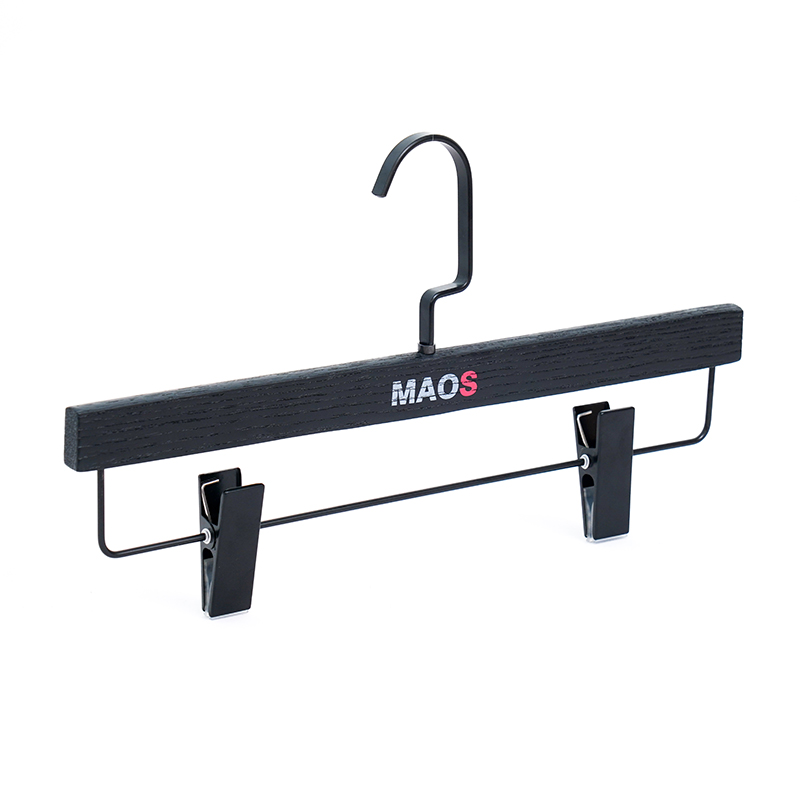
I choose wooden hangers when the wardrobe contains suits, heavy coats, tailored jackets, or garments that need broad shoulder support. I choose rubber-coated hangers when moisture resistance and easy cleaning are more important than a textile-like finish. For skirts and trousers that must remain perfectly secured, clip hangers may be more appropriate than a standard shoulder hanger.
| If your priority is... | Consider... |
|---|---|
| Preventing thin garments from sliding | Velvet-covered or rubber-coated hanger |
| Maximizing closet capacity | Slim flocked hanger |
| Storing suits and heavy coats | Broad wooden or reinforced hanger |
| Air-drying damp clothing | Washable plastic or drying hanger |
| Protecting stretched knitwear | Padded hanger or folded storage |
| Holding skirts and trousers securely | Clip hanger |
| Easy cleaning in humid areas | Plastic or rubber-coated hanger |
| Boutique presentation and soft contact | Fabric-covered or padded hanger |
Final Thoughts
What is velvet fabric covered hanger? It is a structural clothes hanger, commonly built from plastic, metal, or wood, with a velvet-like flocked or textile coating that increases grip and supports compact wardrobe organization. Its main advantages are non-slip contact, slim storage, strap notches, and a softer surface than bare wire or smooth plastic.
I would not treat every velvet hanger as interchangeable. The core material, coating adhesion, shoulder shape, colorfastness, moisture resistance, and intended garment weight determine whether the product will perform well over time. Velvet-covered hangers suit dry closets and light-to-medium garments, while wooden, rubber, padded, or clip hangers may be better for heavy clothing, damp laundry, knitwear, or specialized storage.
For household use, I recommend testing a small quantity before replacing an entire wardrobe. For retail and hospitality buyers, Mao’s provides fabric-covered, padded, plastic, metal, foam-wrapped, aluminum, and wooden hanger options, with manufacturing experience dating to 1993 and production capacity reported at more than 50 million hangers annually. The most reliable choice is the one whose coating, core, dimensions, and care requirements match the garments and storage conditions you actually have.