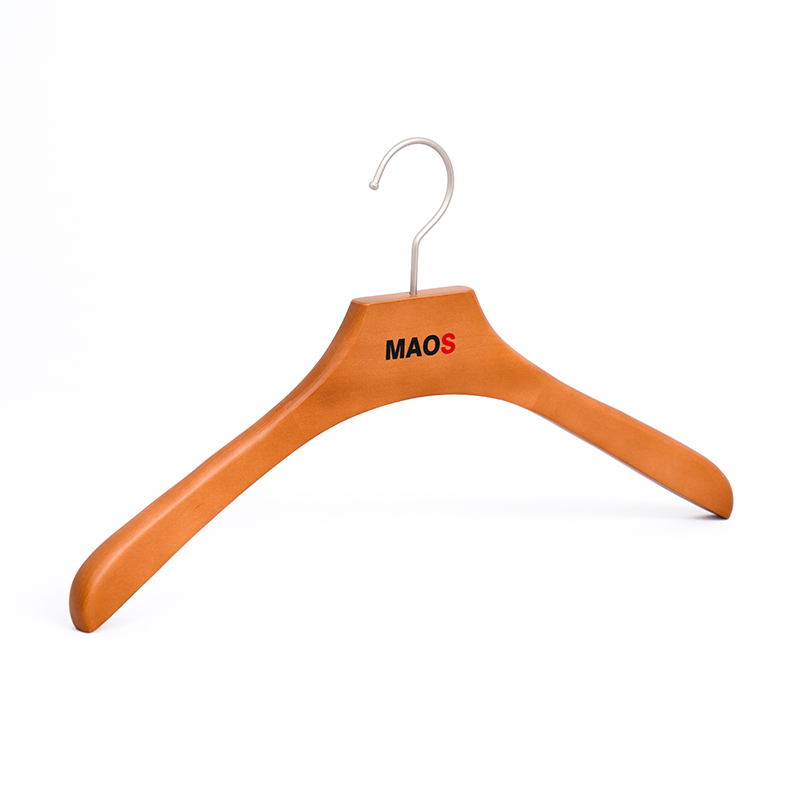
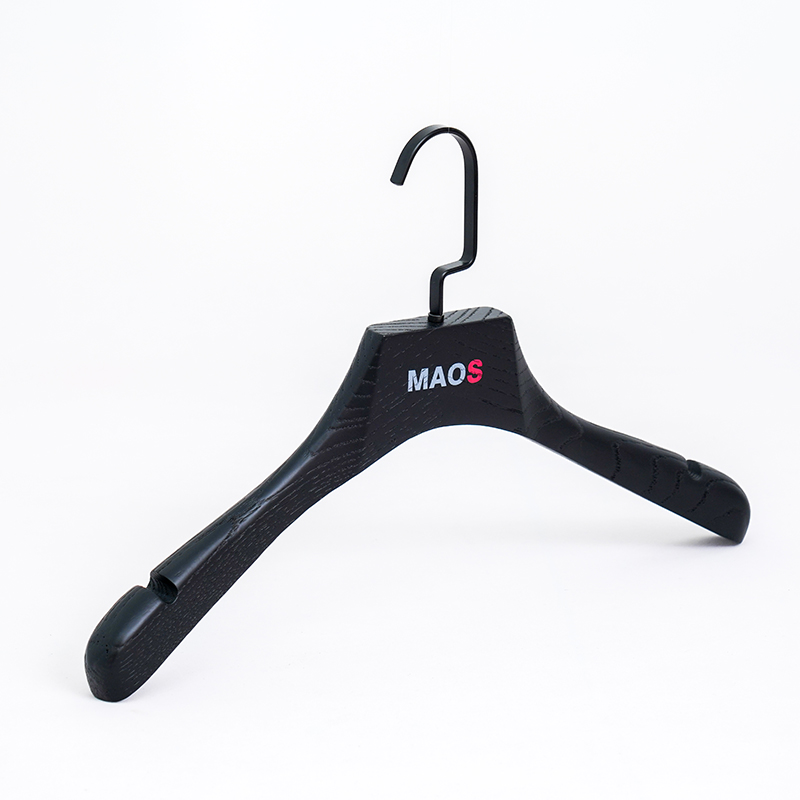
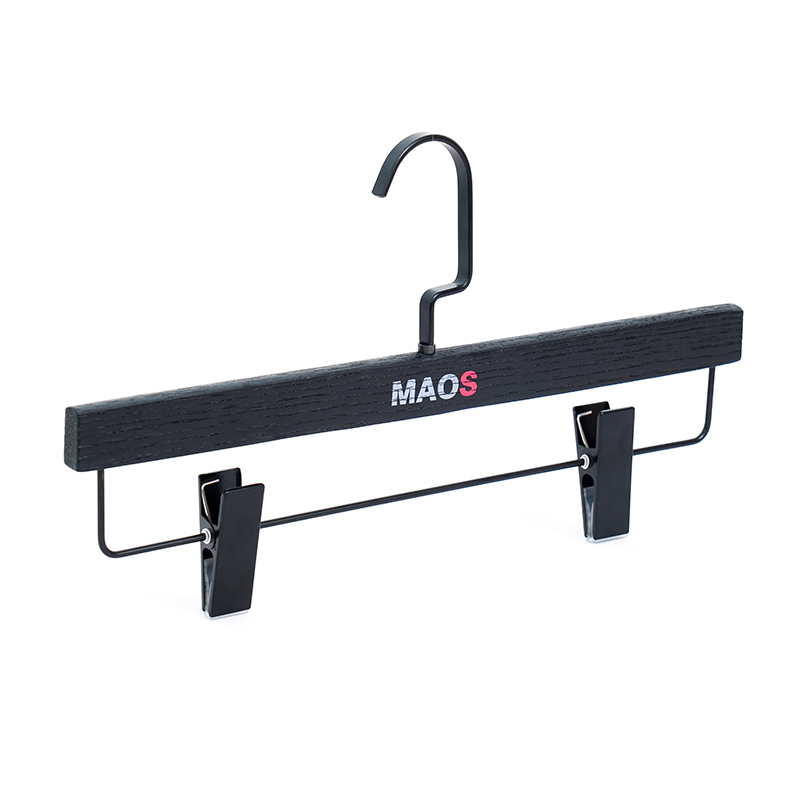
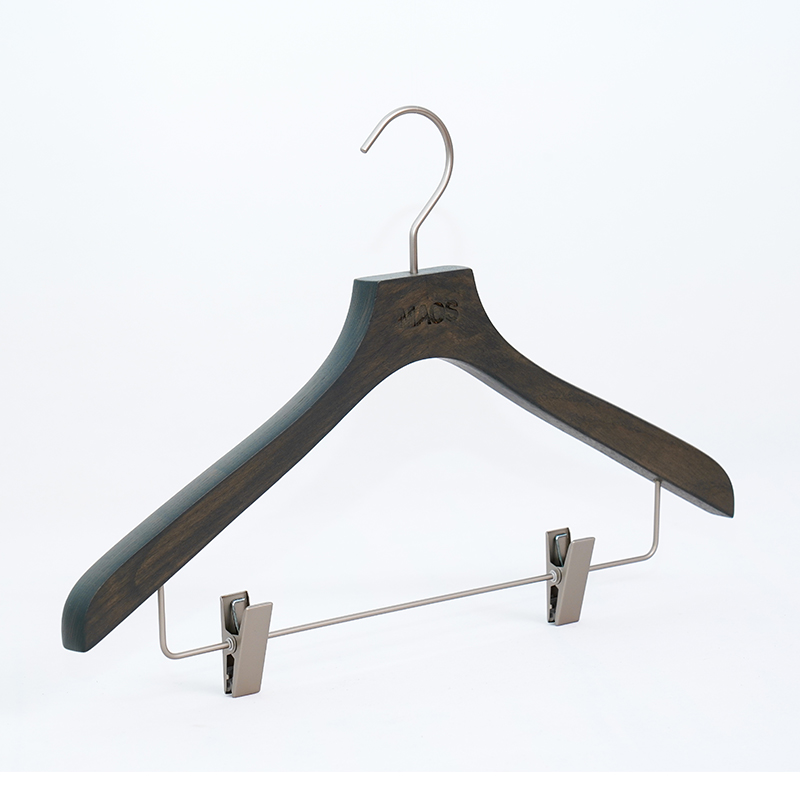
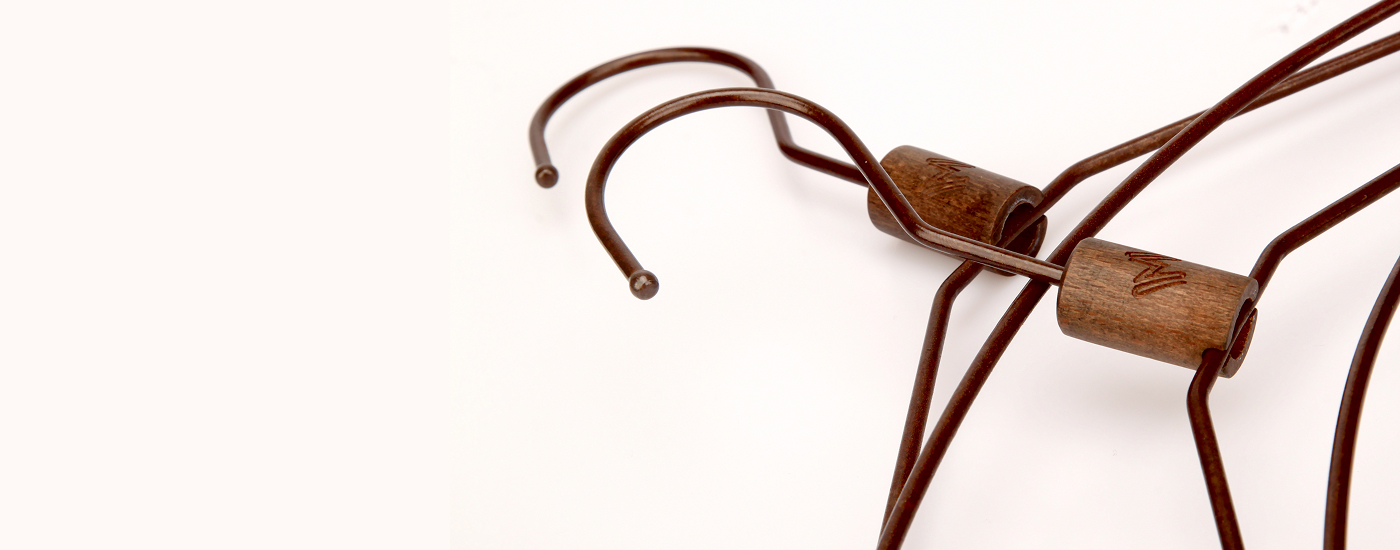
What Makes Aluminium Cloth Hanger Better
Aug. 10, 2026
An aluminium cloth hanger is a lightweight, corrosion-resistant hanging solution used in wardrobes, retail displays, laundry rooms, and garment factories to support clothing without bending, rusting, or staining fabrics. In business operations, this matters because a better hanger directly improves product presentation, reduces replacement cost, and protects garment quality during storage and transport. For brands and retailers, choosing the right aluminium cloth hanger is not just a hardware decision—it is a quality-control decision that affects customer perception and operating efficiency.

Mao's aluminium cloth hanger and why the industry keeps moving toward metal solutions
The hanger industry has changed significantly over the past decades. Traditional wooden hangers were once favored for premium presentation, while plastic hangers became popular for low-cost mass use. However, both materials have limitations: wood can absorb moisture and deform, while plastic can crack, warp, or age under UV exposure.
That is why many buyers now turn to Mao's aluminium cloth hanger solutions. Aluminium offers a strong balance of mechanical strength, low weight, and excellent corrosion resistance. In industrial terms, it is a highly practical substrate for high-volume production because it can be extruded, cut, anodized, polished, and inspected with consistent tolerances.
For manufacturers and distributors, this matters in the following ways:
- Lower return rate caused by hanger breakage
- Better product consistency across batches
- Improved garment protection in humid environments
- Stronger visual merchandising for retail applications
- Longer service life, reducing replacement frequency
This is one reason the aluminium cloth hanger category keeps expanding in hotel supply, apparel logistics, and premium home organization.
What makes aluminium cloth hanger better in real-world use
The main advantage of an aluminium cloth hanger is that it solves several operational pain points at once. It is not only about appearance; it is about performance under daily use.
1. Corrosion resistance in humid and coastal environments
Unlike low-grade steel products, an aluminium hanger does not rust in the same way. With proper surface treatment such as anodizing or powder coating, the hanger can maintain stable appearance and function even in laundry rooms, garment storage areas, and seaside climates.
2. High strength-to-weight performance
Aluminium has an excellent strength-to-weight ratio. That means the hanger can carry garments efficiently without adding unnecessary bulk. For shipping and warehouse handling, this reduces packaging weight and improves logistics efficiency.
3. Dimensional consistency for industrial production
A quality aluminium cloth hanger can be manufactured to precision tolerances, often controlled to 0.01mm in critical dimensions during tooling and inspection. This consistency helps ensure uniform hook geometry, shoulder profile, and load behavior across production batches.
4. Clean surface and garment protection
Sharp burrs, rough edges, or unstable coatings can damage delicate fabrics. Well-made aluminium cloth hanger products are typically finished with deburring, polishing, and surface verification to minimize snagging and abrasion.
5. Premium appearance for retail and branding
In retail environments, hanger presentation directly affects perceived value. A sleek aluminium finish can make apparel displays look more structured and upscale, which is important for fashion brands, boutiques, and hotel wardrobes.
Why Mao's aluminium cloth hanger stands out in quality control
When buyers compare suppliers, the discussion should not stop at price. The real question is whether the product is stable, testable, and repeatable. That is where Mao's aluminium cloth hanger production process provides value.
Manufacturing and inspection advantages
At a professional level, a reliable supplier should control the following:
- Incoming raw material verification
- Extrusion profile accuracy
- Hook load-bearing performance
- Surface finishing uniformity
- Packaging integrity
- Final 100% inspection before shipment
For quality assurance, testing may be aligned with recognized standards such as:
- ASTM B221 for aluminium extrusions
- DIN 51131 for relevant strength and performance evaluation contexts
- ASTM B117 for salt spray corrosion resistance
- ISO 9001 process management systems
A trusted aluminium cloth hanger supplier should also provide traceable QC reports, batch records, and clear response times. For example, a 24-hour response to technical or after-sales questions helps B2B buyers reduce downtime and avoid supply chain uncertainty.
Common misconceptions about aluminium cloth hanger products
Many buyers assume all hangers made from aluminium are the same. In practice, there are major differences in alloy grade, wall thickness, finishing method, and structural design.
Misconception 1: Aluminium is too soft for daily use
This is not necessarily true. With proper alloy selection and profile design, an aluminium cloth hanger can deliver strong load performance while remaining lightweight. The key is engineering, not just material choice.
Misconception 2: All metal hangers damage garments
Damage usually comes from poor finishing, not from the metal itself. If the hanger edges are rounded, the surface is treated, and burrs are removed, the risk to clothing is minimal. A well-made aluminium cloth hanger is often safer for delicate fabrics than low-quality plastic hangers with sharp mold lines.
Misconception 3: Cheap hangers are cost-effective in the long run
Low-cost products often fail sooner, bend more easily, or create quality issues. When a hanger breaks in a retail store or hotel room, the replacement labor and brand impact can exceed the original savings. A durable aluminium cloth hanger typically lowers total cost of ownership.
Practical applications where aluminium cloth hanger delivers measurable value
The value of an aluminium cloth hanger becomes clear when it is used in demanding environments.
Retail and fashion display
Fashion brands use aluminium hangers to support premium visual merchandising. The clean lines help create a structured display, and the consistent profile improves store aesthetics.
Hotel and hospitality supply
Hotels need hangers that resist moisture, maintain appearance, and reduce maintenance. Aluminium performs well in wardrobes, spa changing rooms, and coastal properties.
Garment factories and export packing
In export workflows, a stable hanger reduces garment distortion during packing and transit. It is especially useful for suits, shirts, dresses, and uniforms requiring shape retention.
Home storage and laundry rooms
For homeowners, an aluminium cloth hanger offers a durable, rust-resistant option that keeps closets tidy and long-lasting.
Comparison table: aluminium cloth hanger versus common alternatives
| Feature | Aluminium cloth hanger | Plastic hanger | Wooden hanger | Steel hanger |
|---|---|---|---|---|
| Corrosion resistance | High | Medium | Medium | Low without coating |
| Weight | Light | Light | Medium | Heavy |
| Durability | High | Low to medium | Medium | High |
| Garment protection | High with proper finish | Varies | High | Varies |
| Premium appearance | High | Medium | High | Medium |
| Long-term value | Strong | Weak | Moderate | Strong but heavier |
This comparison shows why the aluminium cloth hanger is often preferred where performance, presentation, and lifecycle cost matter.
A simple case study showing the business impact
A mid-sized apparel distributor switched from mixed plastic hangers to Mao's aluminium cloth hanger for retail and warehouse use. After standardizing the hanger profile and introducing 100% inspection, the company reported fewer deformation complaints and improved display consistency across stores.
The practical result was not just better appearance. The team also reduced replacement frequency and improved internal handling efficiency. With corrosion-resistant finishing and tighter process control, the distributor lowered product loss caused by hanger failures in humid storage conditions.
This kind of case shows why the aluminium cloth hanger is more than an accessory—it is part of operational reliability.
What to check before buying aluminium cloth hanger products
To avoid common sourcing mistakes, buyers should evaluate the product systematically.
Key buying checklist
- Confirm material grade and alloy specification
- Ask for surface treatment details, such as anodizing or powder coating
- Request load and corrosion test reports
- Verify inspection frequency and tolerance control
- Ask whether the supplier supports 24-hour response for technical issues
- Review packaging method to prevent transit damage
- Check whether the supplier has experience with OEM/ODM orders
If possible, request samples and examine finish quality, hook rotation, and shoulder symmetry. A trustworthy aluminium cloth hanger supplier should be able to explain production parameters in clear technical language.
Why the right supplier matters as much as the product
Even the best material can fail if manufacturing control is weak. That is why buyers should look for suppliers like Mao's that emphasize process stability, test documentation, and consistent output.
A strong supplier relationship gives you:
- More predictable lead times
- Better batch-to-batch consistency
- Lower defect risk
- Faster problem resolution
- Improved brand reputation in the market
In B2B procurement, these benefits often matter more than a small unit price difference.
Final thoughts on what makes aluminium cloth hanger better
The answer is straightforward: an aluminium cloth hanger is better because it combines corrosion resistance, dimensional consistency, lightweight strength, and premium presentation in one product. For businesses, that means fewer failures, better garment protection, and stronger operational efficiency. For buyers, the key is to choose a supplier that can prove quality through standards such as ASTM and DIN, maintain 100% inspection, and provide responsive support within 24 hours.
If you are evaluating aluminium cloth hanger options, Mao's offers a practical path toward better quality, better presentation, and better long-term value. Explore the specifications carefully, compare the testing reports, and choose the solution that matches your actual use environment.