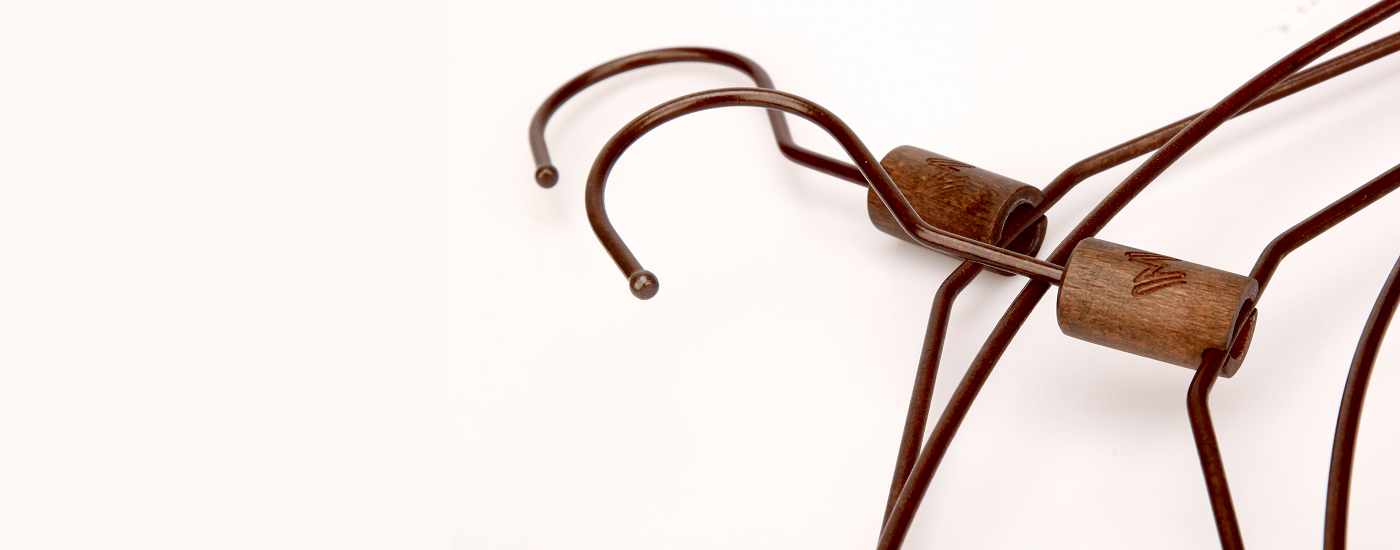
What Makes Fabric Covered Hangers Different
Nov. 06, 2026
Fabric Covered Hangers combine a structural base with a soft textile or padded outer layer. What Makes Fabric Covered Hangers Different is their combination of increased friction, cushioning, garment support, and decorative customization. Compared with bare wire, plastic, or wood, the covering can reduce slipping and lessen sharp pressure points, although the result depends on the padding thickness, fabric type, hanger shape, and load capacity.
I use fabric-covered designs most often when a garment needs more surface grip than a smooth plastic hanger but less rigid contact than a traditional wooden hanger. They can suit silk blouses, satin dresses, lingerie, scarves, and lightweight jackets, while structured suits and heavy knitwear may require different support. The correct choice depends on the garment’s weight, shoulder construction, moisture exposure, and storage period.
!
Key Takeaways
- Fabric coverings increase friction and cushioning, helping delicate garments stay positioned without sharp contact points.
- Padding thickness, shoulder shape, hanger width, and base material determine support more than fabric alone.
- Fabric-covered hangers differ from velvet-coated hangers because textile construction, pile, cleaning, and snagging risks vary.
- Delicate clothing benefits from soft support, while heavy sweaters, dense knits, and embellished garments may need folding.
- Proper care requires moisture control, dye-transfer checks, surface cleaning, and inspection of seams and exposed hardware.
What Are Fabric Covered Hangers?
Fabric-covered hangers are hangers with a core made from materials such as metal, wood, plastic, or composite components and an outer layer made from textile, foam-backed fabric, satin, cotton, or another soft covering. The base provides the structural support, while the covering changes how the hanger contacts the garment. Some designs have light padding, while others use thicker foam to create a rounded shoulder profile.
The covering serves three main functions. First, it increases friction so garments are less likely to slide from the shoulder ends. Second, it cushions the contact area and can reduce pressure marks on thin fabrics. Third, it allows brands, boutiques, and hospitality businesses to coordinate color, texture, trim, embroidery, or other visual details.
Fabric construction does not automatically make every hanger suitable for every garment. A narrow hanger with thin fabric may still distort a wide-shouldered jacket, while a thick padded hanger may occupy too much space in a small closet. I evaluate the entire design rather than treating the textile layer as the only measure of performance.
What Makes Fabric Covered Hangers Different From Plastic and Wooden Hangers?
The main difference is the contact surface between the hanger and the garment. Plastic hangers usually provide a smooth, molded surface that is easy to clean and inexpensive, but lightweight garments can slide when the shoulder angle is shallow. Wooden hangers provide a rigid, broad support surface for jackets and coats, although untreated or sharply finished areas can create pressure points.
Fabric-covered hangers introduce a softer and more textured contact layer. This may help silk, satin, lightweight knit tops, and narrow-strap garments remain in place, but it also creates additional cleaning and moisture considerations. The performance depends on whether the covering is tightly wrapped, padded, washable, stain-resistant, or likely to shed fibers.
| Hanger type | Main strength | Common limitation | Suitable garments |
|---|---|---|---|
| Wire | Low cost and minimal bulk | Narrow profile can create shoulder marks and weak support | Temporary storage for light items |
| Plastic | Easy cleaning and consistent shape | Smooth surfaces may allow slipping | T-shirts, uniforms, everyday shirts |
| Wood | Rigid support and broad shoulders | Heavier, less flexible, and may be bulky | Suits, coats, tailored jackets |
| Velvet-coated | Strong surface grip and slim profile | Coating may collect lint or wear over time | Blouses, dresses, lightweight clothing |
| Fabric-covered | Cushioning, friction, and customizable appearance | Requires condition checks and moisture control | Delicate garments and boutique presentation |
For commercial projects, Mao's produces fabric padded hangers alongside wooden, aluminum, metal, PVC-coated metal, foam-wrapped metal, plastic, and other hanger categories. Its production model includes design, drawing, sample making, approval, and mass production, which is useful when a retailer or boutique needs a consistent shape, covering, and finish across a collection.
Why Use Fabric Covered Hangers for Delicate Clothing?
I recommend padded hangers for delicate clothing when the garment is lightweight, prone to slipping, or vulnerable to sharp pressure points. A soft shoulder line can distribute contact across a wider area instead of concentrating force at a thin wire or narrow plastic edge. This is particularly useful for silk blouses, satin dresses, camisoles, lingerie, lightweight wool, and garments with thin shoulder straps.
Fabric coverings can also reduce movement inside the closet. Less sliding means fewer garments bunching together, falling to the floor, or being compressed against neighboring items. However, grip should not be confused with complete protection; excessive friction, loose fibers, rough seams, or exposed fasteners can still snag sensitive materials.
For silk and satin garments, I check three details before regular use. The covering should have a smooth finish without abrasive stitching, the shoulder shape should match the garment, and the surface should be clean and colorfast. I test an inconspicuous area first, especially when the hanger has a dark covering and the clothing is white, pale, or damp from recent cleaning.
How Fabric Coverings Affect Grip, Padding, Shape, and Width
The fabric layer affects grip, but the hanger’s geometry determines whether the garment is properly supported. A shoulder-shaped hanger with a gradual curve can reduce concentrated creasing, while a straight or undersized hanger may push into the garment and create points at the shoulder seams. For jackets and structured garments, width should generally correspond to the garment’s shoulder measurement rather than the closet’s available space.
Padding changes the contact pressure and the amount of room each hanger occupies. Light padding may prevent direct contact with a rigid core, while thicker foam provides a rounder profile for delicate clothing. Excessive padding can reduce closet capacity and may stretch garments with narrow necklines if the hanger is forced through the opening.
The base material also affects load support. Metal or wood cores are typically selected when the design must resist bending under heavier garments, while light plastic cores are more appropriate for everyday shirts and blouses. I look for secure joints, stable hooks, covered edges, and a stated or tested load limit instead of assuming that a padded exterior indicates heavy-duty construction.
Fabric Covered Hangers vs Velvet-Coated Hangers
Fabric-covered and velvet-coated hangers are related but not identical. Velvet-coated hangers usually have a thin synthetic pile bonded directly to a molded or metal frame, creating strong friction with a slim overall profile. Fabric-covered hangers may use woven cloth, satin, cotton, or a foam-backed textile that wraps around the core and can provide more cushioning.
Velvet is often practical when closet space is limited because the coating can be thin and the frame can remain narrow. Fabric padding is more useful when the garment needs a rounded shoulder or a softer contact area. The trade-off is that thicker fabric designs can occupy more horizontal and vertical space.
Cleaning and wear patterns also differ. Velvet may collect lint and show flattened areas where garments repeatedly contact the surface, while woven fabric can absorb moisture, dust, fragrance, or oils. Neither option should be treated as automatically safer; I inspect the actual finish, seam quality, surface cleanliness, and colorfastness before using either type with a delicate garment.
Practical Uses for Different Clothing Types
Fabric-covered hangers work best when the garment is light to medium weight and benefits from gentle friction or cushioning. They are suitable for many blouses, dresses, skirts, scarves, camisoles, baby clothes, lingerie, and boutique display pieces. A shoulder contour and covered edges are more important than decorative details when the item will remain hung for several weeks.
Everyday cotton shirts and uniforms can also use fabric-covered hangers, but plastic may be more practical when frequent washing and rapid cleaning are priorities. For tailored jackets, suit coats, and structured blazers, I prefer a broad, shaped hanger with enough rigidity to support the shoulders. Fabric padding can improve contact comfort, but it cannot compensate for a frame that bends or is too narrow.
Heavy sweaters, dense knits, long coats, and garments with substantial beadwork require additional caution. These items can stretch at the shoulders, deform the hanger, or place excessive load on the hook and joints. In many cases, I fold heavy knitwear and embellished pieces on a clean shelf rather than leaving them suspended for long periods.
Garments Usually Better Folded
- Heavy wool or cashmere sweaters that can stretch under their own weight.
- Dense knitted garments with loose or open construction.
- Heavily beaded, sequined, or embroidered pieces that place concentrated load on seams.
- Bias-cut garments that may lengthen or distort while hanging.
- Clothing with weak shoulder seams, damaged fabric, or unstable decoration.
Hygiene, Moisture, Dye Transfer, and Maintenance
The main maintenance difference between fabric-covered and bare-surface hangers is absorbency. A textile surface can retain dust, body oils, fragrance, and moisture, particularly in a humid closet. I avoid placing freshly washed or damp garments on a fabric-covered hanger until the garment and hanger are both fully dry.
Dye transfer is another consideration. Dark textile coverings may transfer color when exposed to moisture, perspiration, steam, or prolonged pressure against light garments. Before using a new hanger, I rub a clean white cloth over the covering with light pressure and inspect the cloth for residue; I repeat the test after lightly dampening the cloth if the garment is especially valuable.
Cleaning should follow the covering material and manufacturer’s instructions. For routine care, I use a soft brush or vacuum attachment to remove lint and surface dust, then wipe compatible non-textile components separately. I do not saturate padded hangers, apply strong solvents, or store them in sealed plastic while moisture remains inside the covering.
Long-term inspection should include the hook, shoulder seams, exposed staples, adhesive edges, foam compression, and odor. A damaged covering can become rough, shed fibers, stain fabric, or expose a hard edge. Replacing one compromised hanger is less risky than continuing to use it with silk, satin, or other materials that show abrasion quickly.
How to Use Fabric Covered Hangers Correctly
First, match the hanger width and shoulder shape to the garment. The shoulder ends should reach close to the garment’s shoulder seams without extending far beyond them, and the hanger should not force its way through a narrow neck opening. For thin straps, use designed notches or loops only when their edges are smooth and secure.
Second, distribute garments by weight and avoid overloading one hanger. A light blouse, a heavy jacket, and a garment bag should not share the same support assumptions. Keep heavier items on hangers with a rigid core and broad shoulder profile, while using softer padded designs for garments that need friction and cushioning.
Third, leave enough space for air circulation. Crowding increases wrinkling, surface friction, and the chance that damp clothing will remain pressed against the covering. In a small closet, slim velvet-coated hangers may save more space, while fabric-covered hangers are better reserved for garments that specifically need padding or additional grip.
Are Fabric Covered Hangers Better for Clothes?
Fabric-covered hangers are better for particular clothing problems, not for every garment. They can outperform smooth plastic or narrow wire when the priority is reducing slipping, softening contact, or supporting delicate shoulder areas. They are less suitable when easy sanitation, maximum closet density, or heavy-load support is the main requirement.
The best hanger type depends on the garment’s material, construction, weight, and storage time. I would choose a padded fabric design for a silk blouse, a shaped wooden hanger for a tailored jacket, a washable plastic hanger for frequently handled uniforms, and folding storage for heavy knitwear. This category-based approach prevents the common mistake of using one hanger type for an entire wardrobe.
How Mao's Fits Into Fabric Covered Hanger Selection
Mao's Clothes-Hangers Corporation Limited was established in 1993 in Lipu City, Guilin, and produces several hanger categories, including fabric, foam-wrapped metal, wood, metal, aluminum, PVC-coated metal, and plastic designs. The company describes a production structure covering hanger design, manufacturing, and sales, with five factories and nearly 400 employees. For buyers comparing custom options, this range allows the base material, covering method, dimensions, and finishing details to be evaluated together.
Mao's also presents a customization process that moves from a design brief to engineering drawings, sample making, sample approval, and mass production. I would use that sequence to confirm shoulder width, core material, padding thickness, covering color, hook finish, logo placement, and packaging before ordering at scale. For boutiques and clothing brands, sample approval is especially important because small differences in width, seam position, or surface texture can affect garment presentation.
Fabric Covered Hanger Buying Checklist
Before buying, I compare the following specifications rather than relying on appearance alone:
- Core material: Confirm whether the frame is metal, wood, plastic, or another structural material.
- Width and shape: Match the hanger to the garment’s shoulder measurement and construction.
- Padding depth: Choose light padding for space efficiency and thicker padding for cushioning.
- Surface finish: Check for smooth seams, secure wrapping, and no exposed staples or rough edges.
- Load suitability: Ask which garment weights the hook, joints, and frame are designed to support.
- Colorfastness: Test dark coverings against a white cloth, especially for humid storage conditions.
- Cleaning method: Confirm whether the surface can be brushed, wiped, spot-cleaned, or replaced.
- Closet density: Measure available rail space before selecting bulky padded designs.
Conclusion
What Makes Fabric Covered Hangers Different is the way a textile or padded outer layer changes friction, cushioning, garment support, and visual presentation. These hangers can be a practical choice for delicate clothing, lightweight dresses, silk blouses, satin garments, lingerie, and boutique displays when the covering is smooth, clean, colorfast, and properly matched to the garment. They are not automatically the best solution for structured jackets, heavy coats, dense knitwear, or heavily embellished pieces.
I recommend selecting fabric-covered hangers by examining the complete design: base material, width, shoulder contour, padding thickness, load support, surface finish, and maintenance requirements. Compare them directly with plastic, wood, wire, and velvet-coated alternatives instead of assuming that every soft covering performs the same way. With appropriate garment matching, moisture control, dye-transfer testing, and regular inspection, fabric-covered hangers can improve closet organization while reducing slipping and concentrated pressure on suitable clothing.